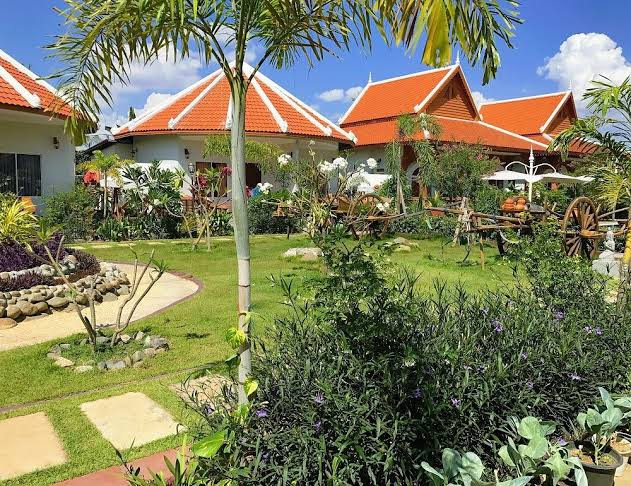
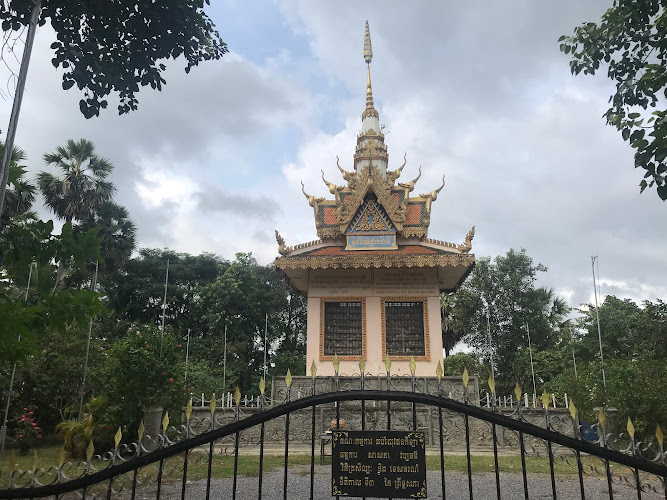
Samrong Knong Killing Field is a Khmer Rouge-era memorial at 46H9+FFV, Krong Battambang, Cambodia, beside the historic Wat Samrong Knong in Samrong Knong commune north of Battambang city. The pagoda was founded in 1707 and was turned into a prison, interrogation site and execution ground during the Khmer Rouge period of 1975–1979; travelers come to pay respects, see the memorial evidence of those crimes, and place this painful history in the setting of a living Buddhist monastery.
What to Expect at Samrong Knong Killing Field
This is not a conventional museum with galleries, labels and a ticket desk. It is a compact, solemn memorial area within the wider Wat Samrong Knong compound, where human remains and commemorative displays confront visitors with the violence inflicted on local people under Democratic Kampuchea. Visit quietly and allow time to read what is available on site, observe the memorial, and reflect rather than treating the location as a quick photo stop. The experience is strongest when paired with an understanding that the Khmer Rouge ruled Cambodia from April 1975 until January 1979.
The surrounding wat adds essential historical and cultural context. Wat Samrong Knong is an approximately 300-year-old monastery, with a gilded preah vihear, or ordination hall, and active religious grounds that contrast sharply with the prison history. Monks, worshippers and local families may be present, so dress modestly, remove shoes before entering sacred interiors when indicated, and ask before photographing people, monks or close-up memorial remains. A tuk-tuk driver can help interpret the site’s location, but the memorial itself is best approached at an unhurried, respectful pace.
- Khmer Rouge memorial: A place of commemoration for victims detained and killed at the pagoda compound during 1975–1979.
- Human-remains display: The site’s most confronting element, presented as evidence and remembrance rather than spectacle.
- Wat Samrong Knong: The adjacent monastery was founded in 1707 and remains an active Buddhist religious complex.
- Golden vihara: Look for the gilded preah vihear, whose temple architecture frames the visit in Cambodia’s enduring spiritual traditions.
- Quiet historical stop: An intimate alternative to a formal museum, particularly meaningful for travelers exploring Cambodia’s twentieth-century history.
Samrong Knong Killing Field at a Glance
| Detail | Information |
|---|---|
| Address | 46H9+FFV, Krong Battambang, Cambodia |
| Neighborhood / Area | Samrong Knong commune, north of central Battambang |
| Operating Hours | Listed open 24 hours daily; visit during daylight when the temple grounds are active. |
| Admission / Price Range | No fixed admission price is posted; entry is generally free, and a respectful donation to the wat is appropriate. |
| Recommended Visit Duration | 45 to 60 minutes, or longer when visiting Wat Samrong Knong as well. |
| Nearest Transit / Parking | No scheduled city bus stop nearby; reach it by tuk-tuk, taxi, bicycle or motorbike from central Battambang. Informal roadside parking is available near the temple approach. |
| Official Website & Phone | No official website is listed; +855 10 865 810 |
Visiting Tips, Getting There & Nearby Pairings
Arrive in the morning, roughly between 8am and 10am, for cooler temperatures and a calmer opportunity to take in the memorial before the midday heat. There is no formal timed-entry system or online reservation requirement. From central Battambang, arrange a return tuk-tuk or taxi rather than expecting a public-transit connection; agree on waiting time in advance, as the site lies outside the compact riverside center. Drivers commonly combine it with other northern Battambang stops, but this is a place that merits its own quiet interval.
Paths across the compound can be uneven, with unpaved sections, thresholds and steps at temple buildings. The outdoor memorial area is more manageable than interior shrine spaces, but wheelchair users and visitors with limited mobility should arrive by vehicle at the closest entrance and bring a companion for uneven surfaces; elevators and a formal accessible route are not part of this low-rise temple complex. Within a few minutes on foot, explore Wat Samrong Knong’s vihara and monastery grounds; the memorial and pagoda belong to the same historic setting. Battambang’s riverside restaurants, French-colonial streets and Phare Ponleu Selpak arts campus are better paired by tuk-tuk rather than on foot.
Frequently Asked Questions
When is the best time to visit Samrong Knong Killing Field?
The site is listed as open 24 hours daily, but daylight is the sensible and most respectful time to visit. Morning offers cooler weather and better visibility around the memorial and wat grounds.
Is there an admission fee or reservation requirement?
No fixed admission charge or advance reservation system is posted. Entry is generally free; bring small Cambodian riel or US-dollar notes if you wish to make a donation to the monastery.
How long should I allow for the visit?
Budget 45 to 60 minutes for the memorial and surrounding grounds. Allow about 90 minutes if you also want to spend time at Wat Samrong Knong’s vihara and pause for reflection.
Is Samrong Knong Killing Field suitable for families and wheelchair users?
Older teenagers and historically minded families may find it important but emotionally difficult; parents should decide whether the human-remains display is appropriate for younger children. Mobility access is limited by uneven paths and temple steps, so a vehicle drop-off and companion are advisable for wheelchair users.
When planning your Battambang travel guide or browsing verified attractions in Battambang, pair this stop with standout local spots including RaVorn Villa Boutique, The Well of Shadows, គុយទាវបាក់សៀក 700 Battambang, and Wat Samrong Knong (0.2 km away).