Editorial disclosure: This destinations.ai guide was prepared with AI assistance and checked against the official sources linked below. Accommodation and activity placeholders may use affiliate links; that does not change the planning advice.
Bismarck, North Dakota, sits on the east bank of the Missouri River, where state government, prairie history, and riverfront recreation come together. You will find a compact capital city with strong museums, approachable restaurants, and easy access to Mandan history across the river.
A well-planned two- or three-day stay gives you time for the North Dakota Heritage Center, the State Capitol, Fort Abraham Lincoln State Park, and the Missouri River without rushing. Use this Bismarck travel guide to shape a trip around indoor history, family attractions, and open-air Great Plains scenery.
Key Takeaways
- You will get the fullest experience by exploring both Bismarck and Mandan.
- A rental car gives you the most freedom for parks, historic sites, and day trips.
- Late spring through early fall offers the easiest conditions for riverfront activities.
Quick Answers and Trip Profile
Bismarck works best for a two- or three-day city break built around North Dakota history, Missouri River views, and practical Midwestern comforts.
You are visiting North Dakota’s capital and Burleigh County seat, located in south-central North Dakota at approximately 46.823448, -100.774755. Bismarck is on the eastern side of the Missouri River, while Mandan sits immediately across the river and adds major historic attractions to your itinerary.
Plan for two days if you want the Heritage Center, State Capitol, downtown, and Fort Abraham Lincoln State Park. Add a third day for the Dakota Zoo, a river activity, Washburn’s Lewis and Clark sites, or an unhurried food-focused afternoon.
Bismarck suits you if you enjoy regional museums, Indigenous history interpreted with care, architecture, road trips, and parks. It also makes a useful stop when you are driving Interstate 94 across North Dakota. For a broader orientation before booking, use the local Bismarck destination overview.
Best Things to Do in Bismarck, North Dakota
You should start with the North Dakota Heritage Center & State Museum, then pair it with the State Capitol and a Missouri River experience.
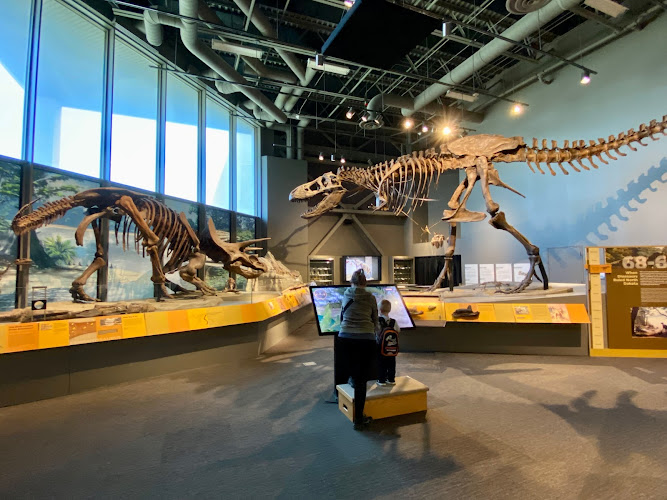
The North Dakota Heritage Center & State Museum is the city’s essential first stop. Its galleries trace North Dakota’s natural history, early peoples, tribal cultures, settlement, industry, and contemporary life. Give yourself several hours, particularly if you want time for the outdoor Capitol grounds afterward. A sample Bismarck-Mandan itinerary identifies the museum as free and lists its published hours as 8 a.m. to 5 p.m. on weekdays and 10 a.m. to 5 p.m. on weekends, with major-holiday closures.
The North Dakota State Capitol rises 242 feet and was completed in 1934, giving it the fitting nickname “Skyscraper on the Prairie.” Its observation level and grounds provide a useful geographic introduction to the city and river valley. Check current tour and access details before your visit, especially if you are traveling during a legislative session or holiday period.
For an evening on the water, look for seasonal Lewis and Clark Riverboat departures from the Bismarck riverfront. A sunset cruise brings the Missouri River into focus and works well after a museum day. Confirm sailing dates, weather policies, accessibility, and advance-purchase rules directly with the operator.
Families should reserve time for the Dakota Zoo in Sertoma Park. Founded in 1961, it grew from 15 acres to 90 acres and has 600 mammals, reptiles, birds, and fish, making it an easy half-day outing with younger children.
Downtown’s Art Alley, between Fifth and Sixth Streets, is a quick stop for murals and local color. Combine it with a coffee break, independent shopping, or dinner downtown.
History, Culture, and Local Character
You will understand Bismarck best by treating the Missouri River as the thread connecting Indigenous homelands, exploration, military history, rail expansion, and modern state government.
Begin with the Heritage Center’s interpretation of Native nations and the region’s deep geological past. Give particular attention to how galleries present the Mandan, Hidatsa, and Arikara peoples, whose communities shaped the Missouri River corridor long before Bismarck existed.
Cross the river to Fort Abraham Lincoln State Park for the strongest historical contrast in the metro area. You can visit the reconstructed On-A-Slant Indian Village, associated with Mandan earthlodge settlements dating from roughly 1575 to 1781, and the military post connected to Lt. Col. George Custer. The site sits about 12 miles southwest of Bismarck.
You will get more from On-A-Slant by approaching it as a place of living cultural significance, not a backdrop for frontier nostalgia. Read exhibits closely, follow site rules, and use the park’s interpretation to place military expansion within the longer history of the Northern Plains.
Downtown Bismarck has a working-capital feel: government offices, local restaurants, galleries, and older commercial buildings share the grid. The official Bismarck and Mandan visitor profile frames the area as a cultural and historical hub with dining, entertainment, shopping, and outdoor options.
If regional history shapes your travel choices, add Bismarck to your list of historical travel destinations and allow extra time for Mandan and Washburn.
Neighborhoods, Parks, and Outdoor Activities
You will find Bismarck easiest to explore by grouping your outdoor time around the Missouri River, downtown, and the Capitol area.
Downtown Bismarck is your most walkable base for restaurants, murals, nightlife, and civic landmarks. It works well if you want to leave your car parked for dinner and spend your evenings close to your hotel.
The Capitol district gives you broad lawns, memorials, an arboretum setting, and the Heritage Center. You can combine these attractions on foot, though you will still want a vehicle for the rest of the city.
The riverfront and Sertoma Park are your best choices for open space. Sertoma Park includes the Dakota Zoo and connects you to riverside recreation. Steamboat Park is another good place to pause along the water, especially when you want a low-key picnic or bike ride.
Bismarck’s paved paths support cycling and walking when weather permits. Bring water, sun protection, and a light layer: the prairie’s open terrain offers little shade, and wind changes the feel of even a warm afternoon. For program schedules, facility updates, and seasonal activities, check the Bismarck Parks and Recreation Activity Guide.
For a longer outing, drive to Fort Abraham Lincoln State Park, where trails and historic areas share the landscape. Keep your outdoor plan flexible when thunderstorms, strong winds, smoke, or winter conditions are forecast.
Where to Stay and What to Eat
You should choose your hotel based on whether you want downtown walkability, interstate convenience, or quick access to the airport and shopping corridors.
Downtown lodging puts you closest to restaurants, Art Alley, and evening activity. Properties near Interstate 94 work well when you are road-tripping, traveling with children, or arriving late. Airport-area and north Bismarck hotels offer practical access to major roads, though you will drive to downtown and the riverfront.
You will find more than 20 lodging options in the city through the official Bismarck accommodations directory, where you can filter for pools, breakfast, and other amenities. Reserve early for summer weekends, major sporting events, conventions, and dates that overlap with regional gatherings.
For food, start downtown if you want a concentrated evening. Pirogue Grille is known for seasonal regional dishes that have included walleye, bison, and house-made venison sausage. Butterhorn offers French- and Italian-influenced cooking, while Peacock Alley pairs a historic setting with steaks, salmon, and ribs.
For casual local dishes, try knoephla soup or fleischkuechle, a deep-fried meat turnover associated with German-Russian food traditions. A & B Pizza has served the area since 1969 and is known for taco pizza alongside regional favorites.
You will also find craft beer, pizza, coffee, and all-ages daytime options around downtown. Confirm current menus, age policies, reservations, and opening days with each restaurant before setting your dinner plan.
How to Get There and Get Around
You will have the smoothest Bismarck trip with a car, especially if your plans include Mandan, Fort Abraham Lincoln State Park, or Washburn.
Fly into Bismarck Municipal Airport (BIS), which connects the city to larger U.S. hubs. The airport is close to town, and a rental car is the most useful onward choice for a visitor with more than one attraction on the list.
If you are driving, Interstate 94 is the main east-west approach, while U.S. Highway 83 provides a north-south route. Bismarck is a natural overnight stop if you are planning a longer Great Plains drive. Use these cross-country car travel planning tips to structure fuel stops, weather checks, and realistic driving days.
Within central Bismarck, you can walk between some downtown restaurants, Art Alley, and civic attractions. The Heritage Center and Capitol grounds also work well as a paired walking visit.
Bis-Man Transit provides local bus service in Bismarck and Mandan, though limited evening and weekend coverage makes it less convenient for a full visitor itinerary. Check current routes and operating times before relying on transit, then use rideshare or taxis for gaps in service.
If you arrive by Amtrak, the Empire Builder stops in Minot, not Bismarck. You will need to arrange the remaining ground transportation in advance.
Best Time to Visit and Seasonal Planning
You will enjoy the broadest range of Bismarck activities from late spring through early fall, when parks, patios, river outings, and road trips are easiest to schedule.
Late May through June brings greener landscapes and long daylight, though rain and fast-moving thunderstorms deserve attention. Pack a waterproof layer and keep an indoor museum option in your daily plan.
July and August are the main warm-weather months for the Dakota Zoo, riverfront walks, outdoor dining, and seasonal cruises. Book lodging ahead if your dates align with events, reunions, or tournament weekends.
September and early October offer crisp conditions and quieter park visits. This is an appealing period for Fort Abraham Lincoln, scenic drives, and museum-centered weekends. It also suits you if you prefer cool-weather travel; see these ideas for cool-weather getaways when planning a wider regional route.
Winter provides a quieter capital-city trip centered on the Heritage Center, Capitol, galleries, dining, and indoor recreation. Expect cold temperatures, snow, ice, and shorter daylight. Keep your schedule loose enough to accommodate driving conditions.
Check the forecast close to departure and again each morning. North Dakota weather shifts quickly, and you will be more comfortable with warm layers, wind protection, sturdy shoes, and a vehicle prepared for the season.
A Practical Two- or Three-Day Itinerary
You can cover Bismarck’s highlights in two full days, while a third day lets you add river time or a deeper regional excursion.
Day 1: Capitol and downtown. Start at the North Dakota Heritage Center & State Museum and allow at least half a day. Walk the State Capitol grounds afterward, then head downtown for Art Alley, galleries, a relaxed dinner, and an optional rooftop drink or live-music venue.
Day 2: Mandan and the river. Drive to Fort Abraham Lincoln State Park in the morning. Spend time at On-A-Slant Indian Village and the fort’s historic areas, then return through Mandan for lunch. Finish your afternoon at Sertoma Park and the Dakota Zoo if you are traveling with children, or book a seasonal Missouri River cruise.
Day 3: Washburn or a slower Bismarck day. Drive about 40 miles north to Washburn for the Lewis and Clark Interpretive Center and Fort Mandan replica. The interpretive center explains the expedition’s North Dakota winter and the region’s significance to the journey.
If you prefer to stay close to Bismarck, use day three for the Former Governors’ Mansion, local shopping, a longer bike ride, and a reservation-led dinner. You will make better use of your time by checking attraction opening days before assigning a site to a specific morning.
Costs, Safety, Accessibility, and Reservations
You can manage Bismarck costs fairly well by pairing free civic attractions with one or two paid experiences. Choosing a hotel location that cuts down on daily driving helps, too.
Your largest variable costs will be airfare, rental car, lodging, and restaurant choices. Museum admission, special exhibits, zoo entry, riverboat cruises, park vehicle permits, and guided tours each have separate policies.
Check current rates directly before building your budget, since published prices and operating schedules can change. The Heritage Center offers a valuable low-cost anchor, while the Capitol grounds and downtown murals add free time between paid attractions.
For a budget-conscious trip, use practical affordable travel planning methods such as booking refundable lodging early and carrying snacks for road-trip days.
Bismarck is a manageable city for visitors who use standard urban awareness. Keep valuables out of sight in your vehicle, lock it at trailheads and hotel lots, and watch weather alerts.
If you are unfamiliar with the roads, avoid driving long rural distances after dark. It’s a small precaution, but one worth taking in a region where weather and distance can change the feel of a trip quickly.
Accessibility varies by historic site, trail surface, seasonal conditions, and attraction. Ask each venue about step-free entrances, accessible parking, wheelchair availability, service-animal policies, sensory considerations, and accessible restrooms before arrival.
Reserve lodging, popular dinners, riverboat trips, and any guided historical tours in advance during summer weekends. Some options fill earlier than you might expect.
Sources and Current Planning Links
You should confirm current hours, admission rules, weather closures, and reservation requirements shortly before departure.
- Use the official Bismarck visitor information page for city contacts and local services.
- Browse the official North Dakota tourism listings for Bismarck for attractions and trip ideas.
- Review current visitor reviews and attraction listings when you want recent traveler feedback, then verify details with each attraction.
- Consult the Bismarck travel planning directory for current flight and hotel search options.
Frequently Asked Questions
Bismarck offers major state history, Mandan cultural sites, riverfront parks, and an easy pace. You will get the most value by treating Bismarck and Mandan as one destination and allowing at least two full days.
Is Bismarck, North Dakota worth visiting?
Bismarck is worth visiting if you enjoy museums, Great Plains history, and Missouri River landscapes. Its strongest attractions include the North Dakota Heritage Center, State Capitol, Fort Abraham Lincoln State Park, and nearby Lewis and Clark sites.
What are the best things to do in Bismarck, North Dakota?
The best things to do are visit the North Dakota Heritage Center & State Museum, tour the State Capitol area, explore Fort Abraham Lincoln State Park, and spend time along the Missouri River. Add the Dakota Zoo for a family-focused stop or Art Alley for a short downtown walk.
What can families do in Bismarck, North Dakota?
Families can visit the Dakota Zoo, walk through Sertoma Park, explore the Heritage Center’s natural-history displays, and take a seasonal riverboat cruise. Fort Abraham Lincoln State Park also gives older children a memorable introduction to earthlodges, Mandan history, and frontier-era military history.
What day trips can you take from Bismarck, North Dakota?
Your best day trip is Washburn, about 40 miles north, for the Lewis and Clark Interpretive Center and Fort Mandan replica. You can also devote a half-day to Mandan and Fort Abraham Lincoln State Park, which sits about 12 miles southwest of Bismarck.
What is the number one tourist attraction in North Dakota?
Theodore Roosevelt National Park is widely regarded as North Dakota’s signature visitor attraction, thanks to its badlands scenery, wildlife, and connection to Theodore Roosevelt. From Bismarck, though, you’ll need to plan it as a separate western North Dakota road trip rather than a day trip.
Affiliate placeholder: Compare accommodation options after checking the official property details, location, and cancellation terms.
Affiliate placeholder: Check current activity availability, meeting points, accessibility, and cancellation terms before reserving.
Explore Bismarck by Category: Discover top curated spots across Bismarck Attractions & Sightseeing.