Editorial disclosure: This destinations.ai guide was prepared with AI assistance and checked against the official sources linked below. Accommodation and activity placeholders may use affiliate links; that does not change the planning advice.
Brussels rewards you with a compact historic core, major European institutions, Art Nouveau streets, excellent museums, and food that’s easy to build into a full day of sightseeing. The city sits in Belgium at 50.8503, 4.3517, where French and Dutch shape daily life alongside a broad international community.
You can see Brussels’ headline sights in two days, while three days gives you time for neighbourhood walks, parks, museums, and a Belgian day trip. Start at Grand-Place, then move outward in sensible clusters so you spend less time crossing the city and more time in its cafés, galleries, and public squares.
This Brussels travel guide helps you plan a city break with realistic transit choices, seasonal timing, and enough room for waffles, frites, chocolate, and Belgian beer.
Key Takeaways
- Stay central for an easy first visit, especially around Grand-Place, Sablon, or Sainte-Catherine.
- Use walking and STIB metro, tram, and bus services for most sightseeing.
- Visit in May, June, or September for pleasant weather and lively outdoor terraces.
Quick Answers and Trip Profile
Brussels is worth visiting if you want a European capital where medieval guild halls, comic-book art, EU politics, and Belgian food sit close together. You can walk from Grand-Place to the Royal Quarter in minutes, then take the metro to the Atomium or European Quarter.
- Best length: Two full days for central Brussels; three days for museums, neighbourhoods, or a day trip.
- Best base: Grand-Place for first visits, Sablon for a quieter central stay, or Ixelles and Saint-Gilles for restaurants and local character.
- Best first stop: Grand-Place, particularly in the early morning or after dark.
- Main languages: French and Dutch. English is widely used in visitor-facing places.
- Currency: Euro.
- Airport: Brussels Airport (BRU) is the main gateway. Brussels South Charleroi Airport (CRL) serves many low-cost flights and is much farther from the centre.
- Good for: Couples, solo travellers, families, food-focused weekends, architecture fans, and rail-based trips through Belgium.
Brussels feels most manageable when you treat it as a series of walkable districts. Keep the Lower Town, Royal Quarter, Sablon, Marolles, European Quarter, and Laeken on separate parts of your schedule.
For a broader view of nearby destinations, pair your visit with the best places to visit in Belgium, including Ghent, Bruges, and Antwerp.
Best Things to Do in Brussels, Belgium
Grand-Place is the essential first stop in Brussels, followed by the Royal Quarter, the Atomium, and museums that match your interests. Build your sightseeing around a few substantial stops each day, since museum visits and cobbled streets take more time than they appear to on a map.
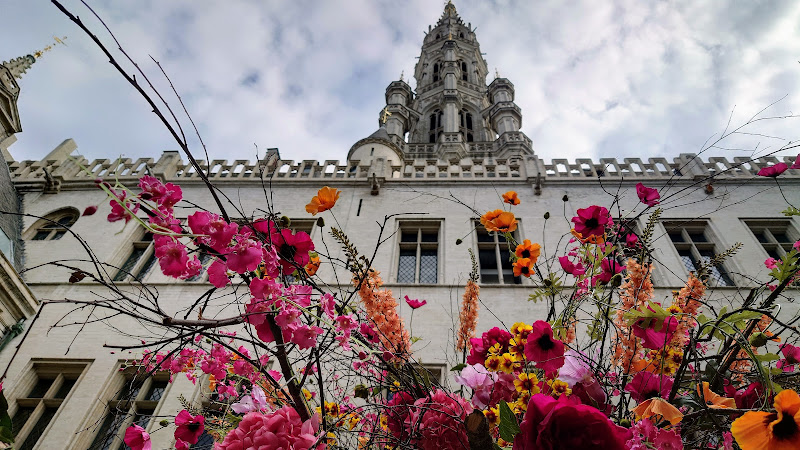
- Grand-Place: Stand in Brussels’ UNESCO-listed central square to see the Gothic Town Hall and ornate guild houses. Return after dark when the façades are lit, and use the square as your reference point for the historic centre. Plan your visit with this guide to Grand-Place.
- Manneken Pis: This small bronze fountain is a short walk from Grand-Place. Its scale surprises many visitors, so treat it as a quick stop on a wider Lower Town walk. Check the Manneken Pis attraction details for practical visiting guidance.
- Royal Gallery of Saint-Hubert: Walk through this 19th-century glass-roofed arcade for chocolate shops, cafés, bookshops, and sheltered architecture. The Royal Gallery of Saint-Hubert works well before or after a Grand-Place visit.
- Atomium: Ride to Laeken for Brussels’ 1958 World’s Fair landmark. Its spheres contain exhibitions and views across the city, while nearby Mini-Europe gives families an easy paired activity.
- Royal Museums of Fine Arts of Belgium: Choose these collections if you want Flemish masters, Belgian modern art, or a focused museum afternoon near the Royal Palace.
- Magritte Museum: Visit for works by René Magritte, one of Belgium’s best-known Surrealist artists. Reserve timed entry when your dates include weekends or school holidays.
- European Parliament area: Walk around Place du Luxembourg and the European Quarter to see the institutional side of Brussels. The Parlamentarium offers a useful introduction to the European Parliament for families and first-time visitors.
- Comic Strip Route: Look up at building walls throughout the centre for murals featuring Belgian comic characters. Combine this with the Comics Art Museum if comic art interests you.
Choose one museum cluster per day. The city’s major collections reward a slower pace, and the historic centre offers plenty to see between reservations. For further planning ideas, browse these things to do in Brussels.
History, Culture, and Local Character
Brussels carries its history in guild halls, royal institutions, Art Nouveau houses, comic murals, and the multilingual rhythm of everyday life. You’ll see French and Dutch on public signs, while English is common in hotels, museums, and the European Quarter.
Grand-Place reflects Brussels’ historic role as a trading city. The Town Hall dates from the 15th century, and the surrounding guild houses gained much of their present form after the late-17th-century reconstruction of the square.
For an architectural walk, head to Ixelles and Saint-Gilles to find Victor Horta’s Art Nouveau legacy. Curving ironwork, stained glass, and sculpted façades make these streets rewarding even when you don’t enter a museum house.
Belgian comic culture is another defining thread. Tintin, the Smurfs, Lucky Luke, and many other characters have roots in Belgium, while Brussels turns that heritage into murals, galleries, and museum displays.
A first-time visit guide highlights the city’s blend of Flemish and French influences alongside its comic heritage and beer culture in its overview of Brussels for new visitors.
Local manners are polite and measured. Greet staff when you enter a small shop, use “Bonjour” or “Bonsoir” in French and “Goedendag” in Dutch when appropriate, and wait for a table in busy cafés unless staff indicate otherwise. Service is included in restaurant prices, though you can round up for warm service.
Neighborhoods, Parks, and Outdoor Activities
Brussels becomes more memorable when you leave the central checklist and spend time in its distinct neighbourhoods and green spaces. Pick one area each afternoon, then walk without trying to turn every street into a landmark hunt.
- Historic Centre: Choose this area for Grand-Place, Galeries Royales Saint-Hubert, Manneken Pis, souvenir shops, and a dense concentration of cafés.
- Sablon: Stay or stroll here for antique shops, chocolate boutiques, Notre-Dame du Sablon, and the elevated Place du Petit Sablon garden.
- Marolles: Explore around Place du Jeu de Balle for the daily flea market, independent shops, and the nearby Palais de Justice viewpoint.
- Sainte-Catherine and Dansaert: Come here for restaurants, design shops, canal-side streets, and an evening atmosphere that feels less formal than Grand-Place.
- Ixelles and Saint-Gilles: These neighbourhoods suit you if you enjoy Art Nouveau architecture, bars, multicultural restaurants, and residential streets.
- European Quarter: Walk here for EU institutions, Parc Léopold, and formal civic architecture around Schuman.
Parc du Cinquantenaire is the city’s most useful large park for visitors, with a triumphal arch, broad lawns, and museums at its edges. You can combine it with the European Quarter, and the Parc du Cinquantenaire visitor page helps you place it in your route.
For a longer outdoor break, go to Bois de la Cambre or the Forêt de Soignes at the southeastern edge of Brussels. These green areas suit walking, running, cycling, and a picnic when the weather holds.
Brussels rain arrives quickly, so carry a compact waterproof layer even in summer.
Where to Stay and What to Eat
Stay in the Historic Centre, Sablon, Sainte-Catherine, Ixelles, or Saint-Gilles according to the pace you want after sightseeing. Book near a metro or tram stop if your hotel sits outside the centre, especially when you arrive with luggage or plan late dinners.
- Grand-Place and Central Station: Best for first-time visitors, short stays, and early train departures. Expect busy streets and a wider range of hotel styles.
- Sablon: A polished, central choice near museums, antique dealers, and quieter evening streets.
- Sainte-Catherine and Dansaert: A strong fit for dining, nightlife, and a more contemporary city feel.
- Ixelles and Saint-Gilles: Choose these districts for independent cafés, Art Nouveau streets, and a less tourist-heavy base.
- European Quarter: Convenient for business travel, weekend calm, and access to Parc du Cinquantenaire.
For food, seek out frites served with sauces, crisp Brussels waffles, pralines from specialist chocolate shops, croquettes, mussels when in season, and Belgian cheese. Order waffles from places that make them to order, then eat them while warm.
A Brussels waffle is light and rectangular; a Liège waffle is denser, sweeter, and studded with pearl sugar.
Belgian beer culture deserves a thoughtful approach. Many cafés serve Trappist ales, lambics, gueuze, saisons, and strong abbey-style beers in distinctive glassware.
Check the strength before ordering a second round, since many Belgian beers exceed the alcohol level you might expect from a standard pint.
For a relaxed meal, reserve dinner on Friday and Saturday in Sablon, Sainte-Catherine, Dansaert, or Ixelles. Ask for tap water only if you’re comfortable with bottled water being more common in restaurants.
How to Get There and Get Around
Brussels is easy to reach by rail or air, then simple to explore on foot, with STIB public transport handling longer hops. Keep Brussels-Midi, Brussels-Central, and Brussels-North distinct on your itinerary because they serve different parts of the city.
Brussels Airport (BRU) lies northeast of the centre. Direct airport trains reach Brussels-Central in about 17 minutes, with services reported every 10 to 15 minutes from early morning until around midnight. Check current schedules and fares before travel through this Brussels arrival and transport guide.
Brussels South Charleroi Airport (CRL) is about 46 kilometres south of Brussels. Many low-cost carriers use it, and its airport shuttle to Brussels-Midi takes about 55 minutes. Leave extra time for that transfer when choosing an inexpensive flight.
Brussels-Midi is the main international rail station, with Eurostar services from London and fast trains from Paris, Amsterdam, Cologne, and other European cities. Brussels-Central is handiest for Grand-Place and the historic centre, while Brussels-North is useful for some coach arrivals and business districts.
- Walk: Use your feet for Grand-Place, Sablon, the Royal Quarter, Marolles, and Sainte-Catherine. Cobblestones can be slick in rain.
- Metro, tram, and bus: STIB/MIVB runs the city network. Buy and validate the appropriate fare before boarding, and check the official journey planner for live disruption information.
- Train: Use Belgian rail for day trips to Ghent, Bruges, Antwerp, Leuven, or Mechelen.
- Bike: Use shared bikes only if you’re comfortable in city traffic and on uneven paving. Parks and outer districts offer calmer routes.
Driving adds parking, traffic, and low-emission-zone obligations to a short city break. Arrive by train where possible, or leave a car at a Park & Ride facility after checking current access rules.
Best Time to Visit and Seasonal Planning
May, June, and September offer the strongest balance of mild weather, park time, and cultural activity in Brussels. Pack layers in every season because the city has a temperate maritime climate, and rain is possible throughout the year.
Spring runs from March through May. Temperatures rise from around 8°C in March to about 17°C in May, and parks begin to fill with locals.
The Royal Greenhouses of Laeken commonly open for a limited period in late April and early May, so check dates before building a trip around them.
Summer brings the warmest conditions, with July average highs around 22°C. It’s also a busy period for festivals and terrace dining, while hotel demand rises.
The Flower Carpet is staged on Grand-Place in even-numbered years, with 2026 included in that pattern, though you should confirm the official programme before booking.
September is an excellent month for city walks. Average temperatures sit around 18°C in the planning reference seasonal guide to Brussels weather, while summer visitor numbers ease and exhibition programmes restart.
Autumn brings colour to the Forêt de Soignes and cooler evenings. December offers Christmas markets and Winter Wonders festivities, while January and February are quieter for museums and accommodation.
Bring warm layers, waterproof footwear, and a plan for indoor stops during short winter days.
A Practical Two- or Three-Day Itinerary
Use two days for Brussels’ central highlights and add a third for Laeken, neighbourhoods, or a rail day trip. Reserve major museum entries before you lock in meal times, especially during weekends and school holidays.
Day 1: Historic Centre, Royal Quarter, and Sablon
- Begin at Grand-Place in the morning, then walk to Galeries Royales Saint-Hubert and Manneken Pis.
- Stop for a light lunch of frites or a waffle, then head uphill through Mont des Arts.
- Choose the Magritte Museum or Royal Museums of Fine Arts for your main afternoon visit.
- Walk through Sablon, visit Notre-Dame du Sablon, and have dinner around Sablon or Sainte-Catherine.
Day 2: Laeken, European Quarter, and local dining
- Travel to the Atomium early, then add Mini-Europe if you’re visiting with children.
- Return to the centre for lunch, allowing time for the transfer.
- Walk the European Quarter, Parc Léopold, and Parc du Cinquantenaire.
- Spend the evening in Dansaert, Sainte-Catherine, Ixelles, or Saint-Gilles.
Day 3: Choose depth in Brussels or a Belgian day trip
- Stay in Brussels for Marolles, the flea market at Place du Jeu de Balle, Art Nouveau streets, and a museum you skipped.
- Take a direct domestic train to Ghent for medieval architecture and canals, or to Bruges for a full-day canal-and-cobblestone visit.
- Choose Antwerp if you want fashion, museums, and the grand railway station. You can explore more before travel through this guide to Antwerp.
Keep your departure day light if you’re leaving from Charleroi Airport. The airport transfer changes the practical length of your final morning.
Costs, Safety, Accessibility, and Reservations
Brussels suits a range of budgets, though accommodation and central restaurant prices rise during summer weekends and major events. Set your budget around lodging, museum admissions, restaurant dinners, airport transfers, and intercity rail if you plan day trips.
Use contactless card payments for most purchases and carry a small amount of cash for markets or minor purchases. Belgian prices include VAT, and restaurant service is built into the bill.
Review current fare and ticket information before travel because public transport products and airport supplements change.
For safety, use the same precautions you would in any major European capital. Keep phones and wallets secure in busy stations, central crowds, trams, and nightlife areas.
Brussels-Midi deserves extra awareness after dark, so use official taxis, transit, or a direct walk to your accommodation when carrying luggage.
Brussels has many accessible metro stations, low-floor trams, and public buildings, though the historic centre’s cobbles, slopes, and narrow pavements create uneven conditions.
Contact museums and hotels before booking if you need step-free routes, accessible toilets, lift dimensions, or companion-ticket information.
Reserve the Atomium, popular museums, Parliament visitor experiences, and sought-after dinner tables ahead of time. Confirm opening days before Monday museum visits, since closures vary.
For a smooth digital setup, use these Europe travel connectivity tips to arrange maps, tickets, and data access before arrival.
Sources and Current Planning Links
Use current official operator and attraction information for transport schedules, opening times, admission rules, accessibility arrangements, and event dates. These details change throughout the year.
- Brussels visitor planning overview
- Brussels travel planning information
- Brussels transportation planning guide
- Brussels attractions and activity ideas
- Month-by-month Brussels seasonal planning
- Neighbourhood guidance for choosing accommodation
- Brussels destination overview
Frequently Asked Questions
Brussels sits in Belgium, serves as the country’s capital, and hosts many European Union institutions. A short visit works best when you focus on the historic centre and add only a few outer-city attractions.
Which country is Brussels in?
Brussels is in Belgium. It is the capital of Belgium and the administrative centre for key European Union institutions, giving the city an international character alongside its Belgian identity.
How many days are enough for Brussels?
Two full days are enough for Grand-Place, central landmarks, one or two museums, Sablon, and the Atomium. Three days let you include Marolles, Art Nouveau districts, the European Quarter, parks, or a day trip to Ghent, Bruges, or Antwerp.
What are the best free things to do in Brussels?
The best free activities include Grand-Place, the Comic Strip Route, Mont des Arts, Parc du Cinquantenaire, Place du Jeu de Balle flea market browsing, and walking through Sablon or Marolles.
You can also see Manneken Pis and explore the European Quarter’s public spaces without an entry ticket.
What is the number one thing to do in Brussels?
Visit Grand-Place, Brussels’ historic central square and the city’s defining landmark. Go once in daylight for architectural detail and again after dark for the illuminated façades.
What are the key do’s and don’ts in Belgium?
Do greet staff, respect queues, validate transit tickets, and reserve popular restaurants or museums. Do not block busy pavements, assume every Belgian speaks the same language, or treat strong Belgian beer like a low-alcohol drink.
What is the best month to visit Brussels?
September is the best single month for many visitors. Temperatures average around 18°C, cultural programmes resume, and the summer crowds begin to ease.
May and June are good choices too, with mild weather, green parks, and long daylight hours for walking.
Affiliate placeholder: Compare accommodation options after checking the official property details, location, and cancellation terms.
Affiliate placeholder: Check current activity availability, meeting points, accessibility, and cancellation terms before reserving.