Editorial disclosure: This destinations.ai guide was prepared with AI assistance and checked against the official sources linked below. Accommodation and activity placeholders may use affiliate links; that does not change the planning advice.
Cadiz, on the Atlantic coast of Spain’s Andalusia region, is one of the oldest continuously inhabited cities in Western Europe, founded by the Phoenicians around 3,000 years ago. Its compact old town is a maze of narrow lanes and palm-lined plazas wrapped almost entirely by the sea.
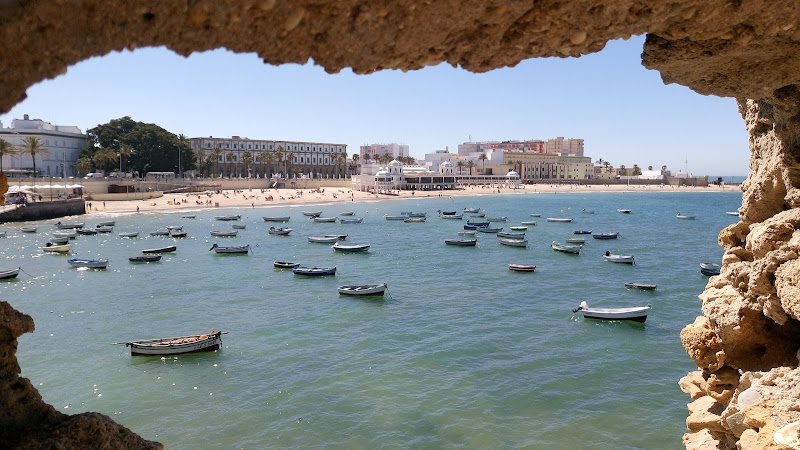
The golden-domed Cadiz Cathedral, nicknamed the Cathedral of the Americas, dominates the skyline, while the Torre Tavira watchtower houses a camera obscura projecting live views over the rooftops. The city also holds a 1st-century-BC Roman theatre and the iconic La Caleta beach, framed by two seaside castles. Cadiz is famous for its riotous February Carnival.
The city is small and very walkable. The best time to visit is spring (April to June) or early autumn (September to October), when temperatures are warm and pleasant and the summer crowds and heat have eased.
Affiliate placeholder: Compare accommodation options after checking the official property details, location, and cancellation terms.
Affiliate placeholder: Check current activity availability, meeting points, accessibility, and cancellation terms before reserving.
Sources and current planning links
Explore more destinations.ai travel guides when building a longer route.
How to plan a Cádiz visit
Cádiz is an Atlantic port city in Andalusia, Spain, best planned around its old-town streets, archaeological layers, seafood, viewpoints, beaches, and an evening in La Viña. This guide is for Cádiz city, not the wider province or Cartagena in Spain. The historic peninsula is compact, so a well-timed two- or three-day visit can combine culture and the coast without constant transfers.
The Cádiz City Tourism Office currently organizes information around museums, routes, monuments, food, beaches, family activities, transport, and events. Check its live calendar, weather, opening hours, ticketing, and accessibility routes before booking. Atlantic wind, summer heat, cruise arrivals, Carnival, and festival weekends can all change how busy the same street feels.
What are the best things to do in Cádiz?
The best things to do in Cádiz are walking the old town, visiting the cathedral and archaeological sites, climbing a viewpoint, browsing the Central Market, and ending the day at La Caleta or another beach. Start with a history route before the heat and keep the coast for later afternoon when the light and temperature improve.
El Pópulo, the cathedral area, and the lanes around Plaza de las Flores give a useful first sense of the city. Add the Roman Theatre, Gadir archaeological site, Museo de Cádiz, or Museo de las Cortes according to your interests and current opening days. Historic evidence appears at street level, so do not hurry from one ticketed monument to the next.
Torre Tavira and other miradores can offer a different reading of Cádiz’s narrow peninsula, harbor, rooftops, and sea. Check height, stairs, timed entry, and weather visibility before booking a viewpoint. The city’s fortifications and waterfront are best enjoyed with safe distances from edges and a little time to watch working port traffic.
La Caleta, Castillo de Santa Catalina, and Castillo de San Sebastián add sea air and defensive history. Check tides, wind, swimming conditions, paths, and current access. Beaches such as Santa María del Mar, Victoria, and Cortadura suit different kinds of beach day; choose based on facilities, waves, transport, and shade rather than a generic “best beach” list.
Which Cádiz neighborhoods are best for travelers?
Stay in the old town for monuments, markets, restaurants, and evening walks, choose La Viña for seafood and local atmosphere, or book near the beach for more space and a slower coastal stay. The historic center is convenient but can have narrow streets, stairs, noise, and limited parking.
El Pópulo and the cathedral area place you close to major history stops, while La Viña is especially useful for evening food and the route toward La Caleta. A beach-side base can be better for families or longer stays but may require buses or taxis for old-town sightseeing. Confirm the exact street and walking route in the booking details.
Check air conditioning, lift access, stairs, sound insulation, breakfast, luggage storage, parking, bathroom layout, and cancellation terms. Ask the property about accessible entry, cobbles, beach paths, and late arrival. Cádiz’s old buildings have character, but the room that photographs beautifully may still be difficult with heavy luggage.
What food should you try in Cádiz?
Eat in Cádiz for pescaíto frito, tortillitas de camarones, fresh seafood, local produce, tapas, Cádiz sweets, and the sherry culture of the wider province. Start at the Central Market or a trusted neighborhood restaurant, then let the day’s catch and local recommendation guide the next meal.
La Viña is an obvious area for seafood and evening atmosphere, while market stalls and small bars can make a more flexible lunch. Ask which fish is local, how it is prepared, and whether a dish contains shellfish, gluten, or shared fryer contact. Cádiz’s food is simple when it is good, so pay attention to freshness rather than chasing elaborate descriptions.
Sherry visits usually involve leaving the city for Jerez or another nearby town, so verify transport, tasting format, age rules, and a sober return plan. Use water and a meal between tastings. If you prefer nonalcoholic options, local seafood, produce, coffee, and sweets still provide a full food itinerary.
When is the best time to visit Cádiz?
Spring and early autumn often balance comfortable walking with beach potential, summer favors long coastal evenings but brings heat and demand, and winter can be a calmer cultural season with more variable wind and rain. Check the current forecast and event calendar rather than using a fixed “best month” claim.
Carnival is one of Cádiz’s signature events, but dates and crowd patterns change with the calendar. Reserve early if it anchors the trip and verify routes, accommodation policies, transport, and nighttime noise. Summer beaches can be busy, while a windy day may suit a museum better than a long swim.
How do you get to Cádiz and get around?
Reach Cádiz by train or road from Seville, Jerez, or other Andalusian hubs, then explore most of the old town on foot with selected buses or taxis for beach and regional trips. Check current rail times, airport connections, port operations, and event diversions before fixing a tight arrival plan.
Walking is the simplest way to connect squares, monuments, markets, and La Caleta, but cobbles, heat, wind, and stairs matter. Use local buses or a taxi for Victoria, Cortadura, the station with heavy luggage, or a day-trip departure. Save the accommodation address offline and confirm where a car can legally stop.
The city tourism office publishes useful mobility and accessible-route information. Still ask each venue about current ramps, lifts, toilets, beach access, and alternative entrances. If you rent a bicycle, ride carefully in crowded lanes and follow local rules; the narrow old town is not a racecourse.
Is Cádiz good for families?
Cádiz works well for families because beaches, plazas, short history stops, markets, and walkable waterfront routes can be mixed without long daily drives. Plan one monument or museum in the morning, a meal and break at midday, and a beach or open-air route when the heat eases.
Confirm stroller access, child tickets, toilets, shade, beach facilities, swimming conditions, and quieter meal times. Forts and viewpoints may involve stairs, and the sea needs active supervision. Choose a guide who can tell the city’s history at a child-friendly pace without turning difficult chapters into a spectacle.
What day trips can you take from Cádiz?
Jerez de la Frontera, El Puerto de Santa María, nearby beaches, and selected white villages or natural areas make useful day trips from Cádiz, but each needs current train, road, weather, and opening checks. Choose one route rather than trying to tour the entire province in one day.
Jerez can add sherry cellars, horses, and a different historic center; confirm tasting reservations and return connections. El Puerto adds maritime and food experiences. White villages and natural parks are better with a car or an organized trip, and winding roads, heat, and limited services deserve honest planning.
How many days do you need in Cádiz?
Plan two full days for Cádiz’s historic core, market, beaches, and food; add a third day for a museum, event, or one regional excursion such as Jerez. A one-day stop can cover the main peninsula, but it leaves little time for a relaxed beach or meal.
- Day one: Walk El Pópulo, the cathedral area, the market, and selected archaeological or museum stops, then eat in La Viña.
- Day two: Visit a viewpoint or fort, follow the waterfront to La Caleta, and choose a longer beach or sunset route.
- Day three: Add Jerez, El Puerto, a current cultural event, or a slower old-town day after checking transport.
Is Cádiz worth visiting?
Cádiz is worth visiting because a compact Atlantic city connects deep history, living neighborhoods, beaches, seafood, viewpoints, and Andalusian culture in a way that rewards walking slowly. Its appeal sits in the transition from archaeological site to market, from narrow lane to open sea, and from daytime monument to evening table.
Use the Cádiz Tourism Office for current routes, museums, beaches, events, transport, and accessible planning. Carry layers for wind, leave room for a long meal, and let the city’s everyday life share the itinerary with its monuments.
For a longer regional route, compare Seville, Spain, Madrid, Spain, Barcelona, Spain with this destination before finalizing your itinerary.
Frequently asked questions
What is Cadiz, Andalusia best known for?
Cadiz, on the Atlantic coast of Spain's Andalusia region, is one of the oldest continuously inhabited cities in Western Europe, founded by the Phoenicians around 3,000 years ago. Its compact old town is a maze of narrow lanes and palm-lined plazas wrapped almost entirely by the sea.
When is the best time to visit Cadiz?
The best time to visit is spring (April to June) or early autumn (September to October), when temperatures are warm and pleasant and the summer crowds and heat have eased.
How many days should you spend in Cadiz?
Plan about 3 days for a first visit, then add time if you want to explore beyond the central sights.
How should you get around Cadiz?
The Cádiz City Tourism Office currently organizes information around museums, routes, monuments, food, beaches, family activities, transport, and events.
What should you book ahead in Cadiz?
Check its live calendar, weather, opening hours, ticketing, and accessibility routes before booking.
Explore Cadiz by Category: Discover top curated spots across Cadiz Attractions & Sightseeing, Best Places to Stay in Cadiz, Cadiz Restaurants & Dining.