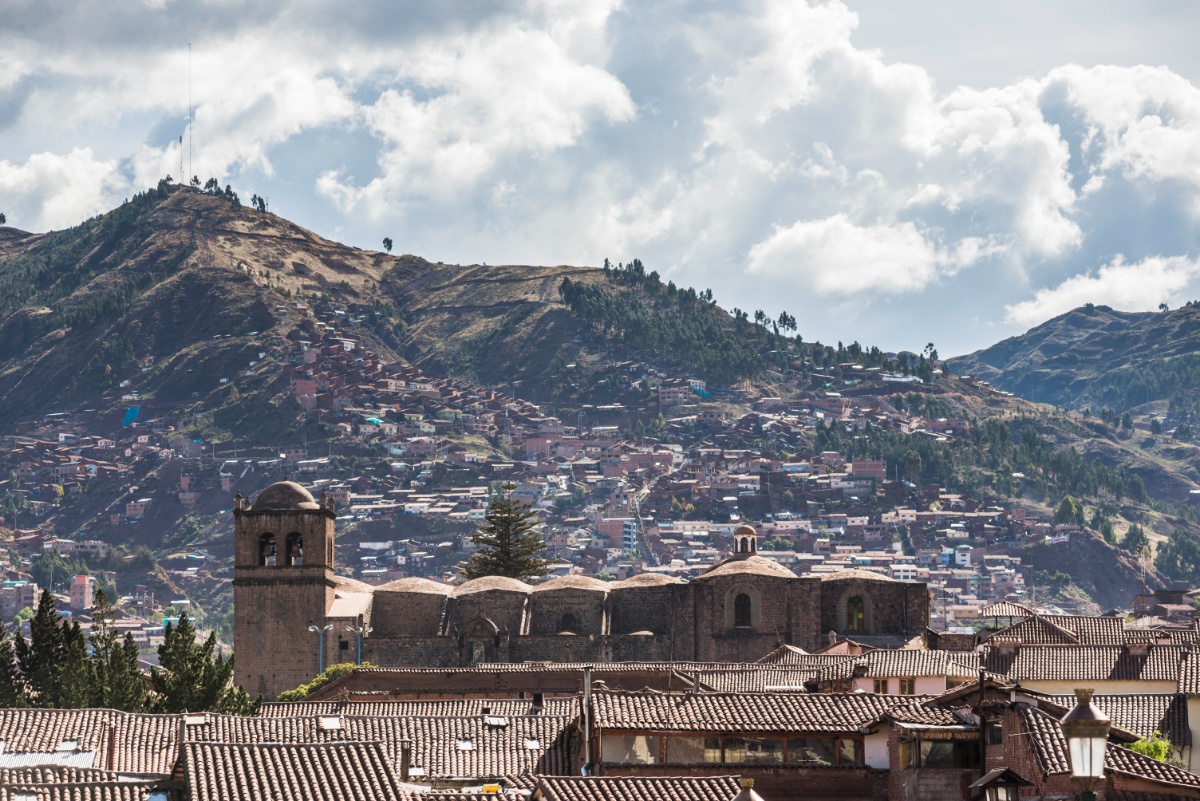
- Step 1 — Acclimatize in the Sacred Valley: Cusco sits at a dizzying 3,400 meters (11,150 feet), whereas Machu Picchu sits lower at 2,430 meters (7,970 feet). Spend your first two nights in the Sacred Valley (Ollantaytambo or Urubamba, ~2,800 meters) to acclimatize gently without acute altitude sickness (soroche). Drink plenty of water and traditional coca leaf tea.
- Step 2 — Scenic Train to Aguas Calientes: Board an expedition or luxury Vistadome panoramic train (operated by PeruRail or Inca Rail) from Ollantaytambo train station to Aguas Calientes (Machu Picchu Pueblo), traveling 1.5 hours through deep river canyons.
- Step 3 — Consettur Shuttle Bus: From Aguas Calientes town, boarded green Consettur shuttle buses ascend the serpentine Hiram Bingham highway in 25 minutes to the entrance gates ($24 USD roundtrip).
Frequently Asked Questions
Is a licensed tour guide required to enter Machu Picchu?
Official Peruvian regulations require visitors on their first entry to be accompanied by a licensed tour guide. Official guides wearing badges are available for hire directly outside the entrance turnstiles ($40–$60 USD per group).
Can you visit Machu Picchu in one day from Cusco?
While possible via an early 4:00 AM departure using car transfers and morning trains, it results in a grueling 16-hour day. Staying overnight in Ollantaytambo or Aguas Calientes the night before is strongly recommended.
When is the best time of year to visit Machu Picchu?
The dry winter season from May through September offers the clearest blue skies and minimal rain, though July and August see peak tourist volumes. The rainy season runs from November through March.
How to Get There: Train, Bus & Altitude Acclimatization
- Step 1 — Acclimatize in the Sacred Valley: Cusco sits at a dizzying 3,400 meters (11,150 feet), whereas Machu Picchu sits lower at 2,430 meters (7,970 feet). Spend your first two nights in the Sacred Valley (Ollantaytambo or Urubamba, ~2,800 meters) to acclimatize gently without acute altitude sickness (soroche). Drink plenty of water and traditional coca leaf tea.
- Step 2 — Scenic Train to Aguas Calientes: Board an expedition or luxury Vistadome panoramic train (operated by PeruRail or Inca Rail) from Ollantaytambo train station to Aguas Calientes (Machu Picchu Pueblo), traveling 1.5 hours through deep river canyons.
- Step 3 — Consettur Shuttle Bus: From Aguas Calientes town, boarded green Consettur shuttle buses ascend the serpentine Hiram Bingham highway in 25 minutes to the entrance gates ($24 USD roundtrip).
Frequently Asked Questions
Is a licensed tour guide required to enter Machu Picchu?
Official Peruvian regulations require visitors on their first entry to be accompanied by a licensed tour guide. Official guides wearing badges are available for hire directly outside the entrance turnstiles ($40–$60 USD per group).
Can you visit Machu Picchu in one day from Cusco?
While possible via an early 4:00 AM departure using car transfers and morning trains, it results in a grueling 16-hour day. Staying overnight in Ollantaytambo or Aguas Calientes the night before is strongly recommended.
When is the best time of year to visit Machu Picchu?
The dry winter season from May through September offers the clearest blue skies and minimal rain, though July and August see peak tourist volumes. The rainy season runs from November through March.
- Circuit 1 (Panoramic): Focuses on upper agricultural terraces and the iconic Guardhouse postcard view, continuing to the Sun Gate (Inti Punku) or the Inca Bridge. Best for photography, but bypasses lower urban ruins.
- Circuit 2 (Classic Complete): The most sought-after and comprehensive ticket. Covers the upper terraces for the classic postcard photograph, followed by an in-depth walking tour through the Temple of the Sun, Sacred Rock, and residential quarters (takes 3 to 4 hours). Books out months in advance.
- Circuit 3 (Royalty & Mountain Climbs): Enters through the lower agricultural terrace, touring the House of the Inka and Temple of the Condor, serving as the required access route for hikers climbing Huayna Picchu (the steep mountain peak rising behind the citadel, limited to 400 climbers daily) or Huchuy Picchu.
- Ticket Prices: Standard adult foreign tourist entry is 152 PEN (~$40 USD); tickets that include mountain hikes (Huayna Picchu) are 200 PEN (~$52 USD). Purchase tickets exclusively through the official Peruvian government platform (tuboleto.cultura.pe).
How to Get There: Train, Bus & Altitude Acclimatization
- Step 1 — Acclimatize in the Sacred Valley: Cusco sits at a dizzying 3,400 meters (11,150 feet), whereas Machu Picchu sits lower at 2,430 meters (7,970 feet). Spend your first two nights in the Sacred Valley (Ollantaytambo or Urubamba, ~2,800 meters) to acclimatize gently without acute altitude sickness (soroche). Drink plenty of water and traditional coca leaf tea.
- Step 2 — Scenic Train to Aguas Calientes: Board an expedition or luxury Vistadome panoramic train (operated by PeruRail or Inca Rail) from Ollantaytambo train station to Aguas Calientes (Machu Picchu Pueblo), traveling 1.5 hours through deep river canyons.
- Step 3 — Consettur Shuttle Bus: From Aguas Calientes town, boarded green Consettur shuttle buses ascend the serpentine Hiram Bingham highway in 25 minutes to the entrance gates ($24 USD roundtrip).
Frequently Asked Questions
Is a licensed tour guide required to enter Machu Picchu?
Official Peruvian regulations require visitors on their first entry to be accompanied by a licensed tour guide. Official guides wearing badges are available for hire directly outside the entrance turnstiles ($40–$60 USD per group).
Can you visit Machu Picchu in one day from Cusco?
While possible via an early 4:00 AM departure using car transfers and morning trains, it results in a grueling 16-hour day. Staying overnight in Ollantaytambo or Aguas Calientes the night before is strongly recommended.
When is the best time of year to visit Machu Picchu?
The dry winter season from May through September offers the clearest blue skies and minimal rain, though July and August see peak tourist volumes. The rainy season runs from November through March.
- Circuit 1 (Panoramic): Focuses on upper agricultural terraces and the iconic Guardhouse postcard view, continuing to the Sun Gate (Inti Punku) or the Inca Bridge. Best for photography, but bypasses lower urban ruins.
- Circuit 2 (Classic Complete): The most sought-after and comprehensive ticket. Covers the upper terraces for the classic postcard photograph, followed by an in-depth walking tour through the Temple of the Sun, Sacred Rock, and residential quarters (takes 3 to 4 hours). Books out months in advance.
- Circuit 3 (Royalty & Mountain Climbs): Enters through the lower agricultural terrace, touring the House of the Inka and Temple of the Condor, serving as the required access route for hikers climbing Huayna Picchu (the steep mountain peak rising behind the citadel, limited to 400 climbers daily) or Huchuy Picchu.
- Ticket Prices: Standard adult foreign tourist entry is 152 PEN (~$40 USD); tickets that include mountain hikes (Huayna Picchu) are 200 PEN (~$52 USD). Purchase tickets exclusively through the official Peruvian government platform (tuboleto.cultura.pe).
How to Get There: Train, Bus & Altitude Acclimatization
- Step 1 — Acclimatize in the Sacred Valley: Cusco sits at a dizzying 3,400 meters (11,150 feet), whereas Machu Picchu sits lower at 2,430 meters (7,970 feet). Spend your first two nights in the Sacred Valley (Ollantaytambo or Urubamba, ~2,800 meters) to acclimatize gently without acute altitude sickness (soroche). Drink plenty of water and traditional coca leaf tea.
- Step 2 — Scenic Train to Aguas Calientes: Board an expedition or luxury Vistadome panoramic train (operated by PeruRail or Inca Rail) from Ollantaytambo train station to Aguas Calientes (Machu Picchu Pueblo), traveling 1.5 hours through deep river canyons.
- Step 3 — Consettur Shuttle Bus: From Aguas Calientes town, boarded green Consettur shuttle buses ascend the serpentine Hiram Bingham highway in 25 minutes to the entrance gates ($24 USD roundtrip).
Frequently Asked Questions
Is a licensed tour guide required to enter Machu Picchu?
Official Peruvian regulations require visitors on their first entry to be accompanied by a licensed tour guide. Official guides wearing badges are available for hire directly outside the entrance turnstiles ($40–$60 USD per group).
Can you visit Machu Picchu in one day from Cusco?
While possible via an early 4:00 AM departure using car transfers and morning trains, it results in a grueling 16-hour day. Staying overnight in Ollantaytambo or Aguas Calientes the night before is strongly recommended.
When is the best time of year to visit Machu Picchu?
The dry winter season from May through September offers the clearest blue skies and minimal rain, though July and August see peak tourist volumes. The rainy season runs from November through March.
Circuit System & Ticket Regulations
To preserve the fragile ruins, Peru’s Ministry of Culture strictly enforces a one-way Circuit System. Visitors cannot backtrack:
- Circuit 1 (Panoramic): Focuses on upper agricultural terraces and the iconic Guardhouse postcard view, continuing to the Sun Gate (Inti Punku) or the Inca Bridge. Best for photography, but bypasses lower urban ruins.
- Circuit 2 (Classic Complete): The most sought-after and comprehensive ticket. Covers the upper terraces for the classic postcard photograph, followed by an in-depth walking tour through the Temple of the Sun, Sacred Rock, and residential quarters (takes 3 to 4 hours). Books out months in advance.
- Circuit 3 (Royalty & Mountain Climbs): Enters through the lower agricultural terrace, touring the House of the Inka and Temple of the Condor, serving as the required access route for hikers climbing Huayna Picchu (the steep mountain peak rising behind the citadel, limited to 400 climbers daily) or Huchuy Picchu.
- Ticket Prices: Standard adult foreign tourist entry is 152 PEN (~$40 USD); tickets that include mountain hikes (Huayna Picchu) are 200 PEN (~$52 USD). Purchase tickets exclusively through the official Peruvian government platform (tuboleto.cultura.pe).
How to Get There: Train, Bus & Altitude Acclimatization
- Step 1 — Acclimatize in the Sacred Valley: Cusco sits at a dizzying 3,400 meters (11,150 feet), whereas Machu Picchu sits lower at 2,430 meters (7,970 feet). Spend your first two nights in the Sacred Valley (Ollantaytambo or Urubamba, ~2,800 meters) to acclimatize gently without acute altitude sickness (soroche). Drink plenty of water and traditional coca leaf tea.
- Step 2 — Scenic Train to Aguas Calientes: Board an expedition or luxury Vistadome panoramic train (operated by PeruRail or Inca Rail) from Ollantaytambo train station to Aguas Calientes (Machu Picchu Pueblo), traveling 1.5 hours through deep river canyons.
- Step 3 — Consettur Shuttle Bus: From Aguas Calientes town, boarded green Consettur shuttle buses ascend the serpentine Hiram Bingham highway in 25 minutes to the entrance gates ($24 USD roundtrip).
Frequently Asked Questions
Is a licensed tour guide required to enter Machu Picchu?
Official Peruvian regulations require visitors on their first entry to be accompanied by a licensed tour guide. Official guides wearing badges are available for hire directly outside the entrance turnstiles ($40–$60 USD per group).
Can you visit Machu Picchu in one day from Cusco?
While possible via an early 4:00 AM departure using car transfers and morning trains, it results in a grueling 16-hour day. Staying overnight in Ollantaytambo or Aguas Calientes the night before is strongly recommended.
When is the best time of year to visit Machu Picchu?
The dry winter season from May through September offers the clearest blue skies and minimal rain, though July and August see peak tourist volumes. The rainy season runs from November through March.
- The Temple of the Sun (Torreón): The only circular stone structure in Machu Picchu, built atop a massive natural organic granite boulder. During the winter solstice (June 21 in the Southern Hemisphere), sunrise beams pass directly through a precision trapezoidal stone window, illuminating an altar carved into the rock floor. Beneath the temple lies the Royal Tomb, an ornate subterranean cave carved with step-motif masonry.
- The Intihuatana Stone: Perched atop the highest sacred ridge in the religious sector, this four-sided carved granite monolith was used by Inca priest-astronomers as a solar observatory and agricultural calendar. Meaning “Hitching Post of the Sun” in the Quechua language, the stone’s shadow indicated the exact dates of the solstices and equinoxes, when priests symbolically tied the sun to the stone to ensure its return.
- The Room of the Three Windows: Overlooking the central plaza, this hall features three enormous trapezoidal windows framing the eastern mountains, representing the three mythical caves from which the original Inca brothers emerged to found their empire.
- The Guardhouse Viewpoint: The thatched-roof stone hut overlooking the terraced agricultural sector. This is the exact vantage point where the classic postcard panoramic photograph of the citadel framed by the sugarloaf peak of Huayna Picchu is captured.
Circuit System & Ticket Regulations
To preserve the fragile ruins, Peru’s Ministry of Culture strictly enforces a one-way Circuit System. Visitors cannot backtrack:
- Circuit 1 (Panoramic): Focuses on upper agricultural terraces and the iconic Guardhouse postcard view, continuing to the Sun Gate (Inti Punku) or the Inca Bridge. Best for photography, but bypasses lower urban ruins.
- Circuit 2 (Classic Complete): The most sought-after and comprehensive ticket. Covers the upper terraces for the classic postcard photograph, followed by an in-depth walking tour through the Temple of the Sun, Sacred Rock, and residential quarters (takes 3 to 4 hours). Books out months in advance.
- Circuit 3 (Royalty & Mountain Climbs): Enters through the lower agricultural terrace, touring the House of the Inka and Temple of the Condor, serving as the required access route for hikers climbing Huayna Picchu (the steep mountain peak rising behind the citadel, limited to 400 climbers daily) or Huchuy Picchu.
- Ticket Prices: Standard adult foreign tourist entry is 152 PEN (~$40 USD); tickets that include mountain hikes (Huayna Picchu) are 200 PEN (~$52 USD). Purchase tickets exclusively through the official Peruvian government platform (tuboleto.cultura.pe).
How to Get There: Train, Bus & Altitude Acclimatization
- Step 1 — Acclimatize in the Sacred Valley: Cusco sits at a dizzying 3,400 meters (11,150 feet), whereas Machu Picchu sits lower at 2,430 meters (7,970 feet). Spend your first two nights in the Sacred Valley (Ollantaytambo or Urubamba, ~2,800 meters) to acclimatize gently without acute altitude sickness (soroche). Drink plenty of water and traditional coca leaf tea.
- Step 2 — Scenic Train to Aguas Calientes: Board an expedition or luxury Vistadome panoramic train (operated by PeruRail or Inca Rail) from Ollantaytambo train station to Aguas Calientes (Machu Picchu Pueblo), traveling 1.5 hours through deep river canyons.
- Step 3 — Consettur Shuttle Bus: From Aguas Calientes town, boarded green Consettur shuttle buses ascend the serpentine Hiram Bingham highway in 25 minutes to the entrance gates ($24 USD roundtrip).
Frequently Asked Questions
Is a licensed tour guide required to enter Machu Picchu?
Official Peruvian regulations require visitors on their first entry to be accompanied by a licensed tour guide. Official guides wearing badges are available for hire directly outside the entrance turnstiles ($40–$60 USD per group).
Can you visit Machu Picchu in one day from Cusco?
While possible via an early 4:00 AM departure using car transfers and morning trains, it results in a grueling 16-hour day. Staying overnight in Ollantaytambo or Aguas Calientes the night before is strongly recommended.
When is the best time of year to visit Machu Picchu?
The dry winter season from May through September offers the clearest blue skies and minimal rain, though July and August see peak tourist volumes. The rainy season runs from November through March.
- The Temple of the Sun (Torreón): The only circular stone structure in Machu Picchu, built atop a massive natural organic granite boulder. During the winter solstice (June 21 in the Southern Hemisphere), sunrise beams pass directly through a precision trapezoidal stone window, illuminating an altar carved into the rock floor. Beneath the temple lies the Royal Tomb, an ornate subterranean cave carved with step-motif masonry.
- The Intihuatana Stone: Perched atop the highest sacred ridge in the religious sector, this four-sided carved granite monolith was used by Inca priest-astronomers as a solar observatory and agricultural calendar. Meaning “Hitching Post of the Sun” in the Quechua language, the stone’s shadow indicated the exact dates of the solstices and equinoxes, when priests symbolically tied the sun to the stone to ensure its return.
- The Room of the Three Windows: Overlooking the central plaza, this hall features three enormous trapezoidal windows framing the eastern mountains, representing the three mythical caves from which the original Inca brothers emerged to found their empire.
- The Guardhouse Viewpoint: The thatched-roof stone hut overlooking the terraced agricultural sector. This is the exact vantage point where the classic postcard panoramic photograph of the citadel framed by the sugarloaf peak of Huayna Picchu is captured.
Circuit System & Ticket Regulations
To preserve the fragile ruins, Peru’s Ministry of Culture strictly enforces a one-way Circuit System. Visitors cannot backtrack:
- Circuit 1 (Panoramic): Focuses on upper agricultural terraces and the iconic Guardhouse postcard view, continuing to the Sun Gate (Inti Punku) or the Inca Bridge. Best for photography, but bypasses lower urban ruins.
- Circuit 2 (Classic Complete): The most sought-after and comprehensive ticket. Covers the upper terraces for the classic postcard photograph, followed by an in-depth walking tour through the Temple of the Sun, Sacred Rock, and residential quarters (takes 3 to 4 hours). Books out months in advance.
- Circuit 3 (Royalty & Mountain Climbs): Enters through the lower agricultural terrace, touring the House of the Inka and Temple of the Condor, serving as the required access route for hikers climbing Huayna Picchu (the steep mountain peak rising behind the citadel, limited to 400 climbers daily) or Huchuy Picchu.
- Ticket Prices: Standard adult foreign tourist entry is 152 PEN (~$40 USD); tickets that include mountain hikes (Huayna Picchu) are 200 PEN (~$52 USD). Purchase tickets exclusively through the official Peruvian government platform (tuboleto.cultura.pe).
How to Get There: Train, Bus & Altitude Acclimatization
- Step 1 — Acclimatize in the Sacred Valley: Cusco sits at a dizzying 3,400 meters (11,150 feet), whereas Machu Picchu sits lower at 2,430 meters (7,970 feet). Spend your first two nights in the Sacred Valley (Ollantaytambo or Urubamba, ~2,800 meters) to acclimatize gently without acute altitude sickness (soroche). Drink plenty of water and traditional coca leaf tea.
- Step 2 — Scenic Train to Aguas Calientes: Board an expedition or luxury Vistadome panoramic train (operated by PeruRail or Inca Rail) from Ollantaytambo train station to Aguas Calientes (Machu Picchu Pueblo), traveling 1.5 hours through deep river canyons.
- Step 3 — Consettur Shuttle Bus: From Aguas Calientes town, boarded green Consettur shuttle buses ascend the serpentine Hiram Bingham highway in 25 minutes to the entrance gates ($24 USD roundtrip).
Frequently Asked Questions
Is a licensed tour guide required to enter Machu Picchu?
Official Peruvian regulations require visitors on their first entry to be accompanied by a licensed tour guide. Official guides wearing badges are available for hire directly outside the entrance turnstiles ($40–$60 USD per group).
Can you visit Machu Picchu in one day from Cusco?
While possible via an early 4:00 AM departure using car transfers and morning trains, it results in a grueling 16-hour day. Staying overnight in Ollantaytambo or Aguas Calientes the night before is strongly recommended.
When is the best time of year to visit Machu Picchu?
The dry winter season from May through September offers the clearest blue skies and minimal rain, though July and August see peak tourist volumes. The rainy season runs from November through March.
Overview: Why Machu Picchu Is the Lost City of the Incas
The Historic Sanctuary of Machu Picchu, dramatically nestled on a narrow granite ridge 2,430 meters (7,970 feet) above sea level between the jagged peaks of Machu Picchu and Huayna Picchu in the Peruvian Andes, is the world’s most celebrated archaeological sanctuary and an enduring triumph of human engineering. Constructed circa 1450 under the reign of the visionary Inca Emperor Pachacuti as an imperial estate and sacred religious retreat, the citadel was abandoned roughly a century later during the Spanish Conquest. Because the Spanish conquistadors never discovered its mountain location, the citadel escaped destruction, remaining concealed beneath dense cloud forest canopy until American historian Hiram Bingham brought it to international attention in July 1911.
Designated a UNESCO World Heritage site in 1983 and voted one of the New Seven Wonders of the World in 2007, Machu Picchu encompasses over 200 stone structures—including ceremonial royal palaces, astronomical observatories, temples, and agricultural terraces clinging to steep mountain precipices above the roaring Urubamba River. Built using mortarless ashlar dry-stone masonry, where giant granite blocks were cut so precisely that not even a razor blade can penetrate the joints, the city survived devastating Andean earthquakes due to stone blocks that bounce during seismic shocks and settle back into place.
Iconic Monuments Within the Citadel
Exploring the citadel reveals breathtaking examples of Inca stone masonry and astronomical alignment:
- The Temple of the Sun (Torreón): The only circular stone structure in Machu Picchu, built atop a massive natural organic granite boulder. During the winter solstice (June 21 in the Southern Hemisphere), sunrise beams pass directly through a precision trapezoidal stone window, illuminating an altar carved into the rock floor. Beneath the temple lies the Royal Tomb, an ornate subterranean cave carved with step-motif masonry.
- The Intihuatana Stone: Perched atop the highest sacred ridge in the religious sector, this four-sided carved granite monolith was used by Inca priest-astronomers as a solar observatory and agricultural calendar. Meaning “Hitching Post of the Sun” in the Quechua language, the stone’s shadow indicated the exact dates of the solstices and equinoxes, when priests symbolically tied the sun to the stone to ensure its return.
- The Room of the Three Windows: Overlooking the central plaza, this hall features three enormous trapezoidal windows framing the eastern mountains, representing the three mythical caves from which the original Inca brothers emerged to found their empire.
- The Guardhouse Viewpoint: The thatched-roof stone hut overlooking the terraced agricultural sector. This is the exact vantage point where the classic postcard panoramic photograph of the citadel framed by the sugarloaf peak of Huayna Picchu is captured.
Circuit System & Ticket Regulations
To preserve the fragile ruins, Peru’s Ministry of Culture strictly enforces a one-way Circuit System. Visitors cannot backtrack:
- Circuit 1 (Panoramic): Focuses on upper agricultural terraces and the iconic Guardhouse postcard view, continuing to the Sun Gate (Inti Punku) or the Inca Bridge. Best for photography, but bypasses lower urban ruins.
- Circuit 2 (Classic Complete): The most sought-after and comprehensive ticket. Covers the upper terraces for the classic postcard photograph, followed by an in-depth walking tour through the Temple of the Sun, Sacred Rock, and residential quarters (takes 3 to 4 hours). Books out months in advance.
- Circuit 3 (Royalty & Mountain Climbs): Enters through the lower agricultural terrace, touring the House of the Inka and Temple of the Condor, serving as the required access route for hikers climbing Huayna Picchu (the steep mountain peak rising behind the citadel, limited to 400 climbers daily) or Huchuy Picchu.
- Ticket Prices: Standard adult foreign tourist entry is 152 PEN (~$40 USD); tickets that include mountain hikes (Huayna Picchu) are 200 PEN (~$52 USD). Purchase tickets exclusively through the official Peruvian government platform (tuboleto.cultura.pe).
How to Get There: Train, Bus & Altitude Acclimatization
- Step 1 — Acclimatize in the Sacred Valley: Cusco sits at a dizzying 3,400 meters (11,150 feet), whereas Machu Picchu sits lower at 2,430 meters (7,970 feet). Spend your first two nights in the Sacred Valley (Ollantaytambo or Urubamba, ~2,800 meters) to acclimatize gently without acute altitude sickness (soroche). Drink plenty of water and traditional coca leaf tea.
- Step 2 — Scenic Train to Aguas Calientes: Board an expedition or luxury Vistadome panoramic train (operated by PeruRail or Inca Rail) from Ollantaytambo train station to Aguas Calientes (Machu Picchu Pueblo), traveling 1.5 hours through deep river canyons.
- Step 3 — Consettur Shuttle Bus: From Aguas Calientes town, boarded green Consettur shuttle buses ascend the serpentine Hiram Bingham highway in 25 minutes to the entrance gates ($24 USD roundtrip).
Frequently Asked Questions
Is a licensed tour guide required to enter Machu Picchu?
Official Peruvian regulations require visitors on their first entry to be accompanied by a licensed tour guide. Official guides wearing badges are available for hire directly outside the entrance turnstiles ($40–$60 USD per group).
Can you visit Machu Picchu in one day from Cusco?
While possible via an early 4:00 AM departure using car transfers and morning trains, it results in a grueling 16-hour day. Staying overnight in Ollantaytambo or Aguas Calientes the night before is strongly recommended.
When is the best time of year to visit Machu Picchu?
The dry winter season from May through September offers the clearest blue skies and minimal rain, though July and August see peak tourist volumes. The rainy season runs from November through March.