
Editorial disclosure: This destinations.ai guide was prepared with AI assistance and checked against the official sources linked below. Accommodation and activity placeholders may use affiliate links; that does not change the planning advice.
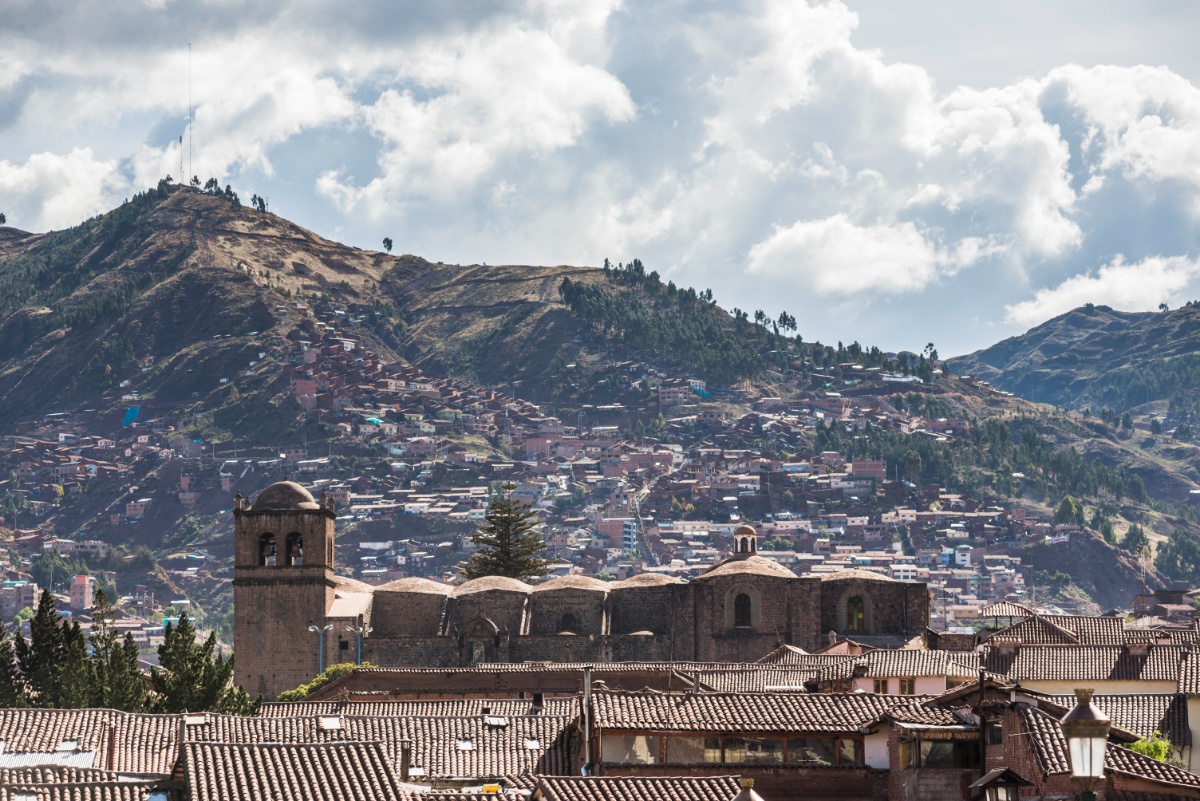
Cusco, the historic capital of the Inca Empire high in the Peruvian Andes, is the gateway to Machu Picchu and one of South America’s most captivating cities. Set at 3,400 meters, it pairs Inca stonework with Spanish colonial architecture around the grand Plaza de Armas, the Qorikancha sun temple, and the cobbled artisan quarter of San Blas.
Use it as a base to explore the Sacred Valley, the Inca fortress of Sacsayhuaman, and the Rainbow Mountain, before taking the train to Machu Picchu via Ollantaytambo.
The best time to visit is the dry season from May to September, with clearer skies and firmer trails, though June to August is the busiest; the March-to-May shoulder is greener and quieter. Spend a couple of days acclimatizing to the altitude, and book Machu Picchu permits months ahead.
Affiliate placeholder: Compare accommodation options after checking the official property details, location, and cancellation terms.
Affiliate placeholder: Check current activity availability, meeting points, accessibility, and cancellation terms before reserving.
Sources and current planning links
Explore more destinations.ai travel guides when building a longer route.
How to plan a Cusco visit
Cusco is a high-altitude cultural base, so the strongest itinerary starts gently and separates city history from the bigger Sacred Valley and Machu Picchu logistics. Plan your first hours around rest, food, a short central walk, and a flexible museum rather than a strenuous hike. Peru’s official visitor material is useful for current routes, attractions, what to eat, what to buy, and practical planning; check site and rail operators separately for tickets and access.
What are the best things to do in Cusco?
Begin in the historic center with Plaza de Armas, the Cathedral area, Qorikancha, and the streets that climb toward San Blas. These places show how Inca stonework, colonial architecture, living religious practice, art, and tourism overlap. Give the first walk time to unfold and stop whenever you need a break. Check current museum hours, ticket combinations, photography rules, and ceremony schedules rather than assuming every landmark follows the same calendar.
San Blas is worth visiting for its workshops, small galleries, viewpoints, cafés, and steep streets, but do not confuse a beautiful ascent with an easy one. Nearby markets can make a useful food and craft stop; ask vendors how an item was made and how it should be carried home. Sacsayhuamán and the nearby archaeological sites require a separate block because walking surfaces, elevation, and transport add up quickly.
Machu Picchu is not a casual add-on to a Cusco afternoon. Decide whether your route uses a train, organized transfer, or trek, confirm the current entry time and baggage rules, and protect the return journey. The Sacred Valley can be a more gradual introduction to the landscape, with towns, markets, terraces, and archaeological sites that deserve attention in their own right.
Where should you stay in Cusco?
Stay near the historic center for museums, restaurants, and a compact first visit, in San Blas for atmosphere and views, or in the Sacred Valley if a slower, lower-base itinerary suits your route. Central Cusco is convenient but can be noisy, steep, and busy. San Blas has character and craft shops but more uphill walking. A Sacred Valley stay changes the logistics of a city evening, yet may make an early valley or Machu Picchu connection easier.
Compare the exact altitude, stairs, lift access, heating, hot-water arrangements, luggage storage, breakfast time, and airport or station transfer. A hotel’s “central” label does not tell you whether a vehicle can reach the door. Ask about oxygen or medical claims carefully and use qualified medical advice for health decisions; an accommodation should be judged first on comfort, reliability, and a clear transport plan.
What should you eat in Cusco?
Cusco’s food scene ranges from market breakfasts and Andean ingredients to polished restaurants, so choose meals that match your first-day energy and the next morning’s departure. Depending on the current menu, you may encounter quinoa, potatoes, corn, trout, alpaca, soups, lomo saltado, cuy, chicha morada, and regional breads. Ask about ingredients, allergies, spice, and preparation, especially before a long hike or train connection.
Markets are lively and rewarding when approached with care. Carry hand sanitizer, choose busy stalls with good turnover, and follow your own dietary needs rather than treating a food risk as part of the adventure. A café or restaurant near your hotel is a useful first-night choice because it keeps the return simple. Reserve a special tasting or cooking class only after checking the exact meeting point and duration.
What is the best time to visit Cusco?
The drier months from May through October are popular for walking and mountain routes, while the wetter season from November into April can bring greener landscapes and more variable conditions. June and July often have strong demand around festivals and school holidays, so reserve key transport early. Shoulder months can offer a useful balance, but weather at elevation can change quickly in any season.
Pack layers, sun protection, rain protection, and shoes with grip. A clear morning does not guarantee a clear mountain afternoon, and a warm plaza can sit beside a cold, windy viewpoint. Check current road, trail, rail, and site notices before departure. Keep the first day light after arrival and add strenuous activity only when your group is comfortable with the conditions.
How do you get around Cusco?
Walk the central sights in short sections, use a clearly booked taxi for longer local transfers, and use a reputable operator for valley, mountain, or Machu Picchu transport. Cusco’s narrow streets, traffic, steep sidewalks, and elevation make an apparently short walk more demanding than expected. Agree pickup points and wait times before a tour, and save hotel and station details offline. Check train luggage rules and departure terminals directly with the operator.
A rental car rarely improves a first Cusco visit. The practical choice for a regional route is often a driver, small group, or organized transfer that understands the roads and timing. For independent travel, build extra margin around markets, roadworks, weather, and trail access. Never let a driver rush your group because a timetable was too optimistic.
Cusco for families and accessible travel
Families can enjoy Cusco through short plazas, a museum or market, a gentle first walk, and one carefully chosen day outside the city. Let children notice textiles, food, animals, walls, and stories rather than demanding a full sequence of ruins. Build in bathroom, snack, and rest stops. A Sacred Valley day may feel more manageable than several steep city climbs, but check the exact site and transport conditions.
Accessibility changes by street, archaeological site, hotel, train, and vehicle. Ask about cobbles, steps, accessible toilets, seating, lifts, drop-off locations, and the distance from parking or a station. Do not promise that a “city tour” is accessible without seeing the route. A private guide or transfer who understands the traveler’s actual needs can reduce unnecessary walking and make the history more available.
A practical three-day Cusco itinerary
Three days works best as a gentle city introduction, a Sacred Valley or archaeological-sites day, and a dedicated Machu Picchu or deeper culture day. Do not put the longest excursion immediately after an international arrival or before a flight.
- Day one: rest, walk Plaza de Armas and Qorikancha if comfortable, and eat near your hotel.
- Day two: choose San Blas, museums, markets, and Sacsayhuamán, or take a carefully planned Sacred Valley route.
- Day three: follow your confirmed Machu Picchu logistics, choose another city museum, or reserve a slower food and craft day.
Which day trips work from Cusco?
The Sacred Valley and Machu Picchu are the headline extensions, while Maras, Moray, Pisac, Ollantaytambo, and other regional sites need a route that respects distance and elevation. Choose a cluster rather than trying to collect every name in one day. Verify entrance tickets, guide requirements, transport, weather, and return time before paying. A day trip is valuable when the landscape or history has room to register.
Cusco is a destination that asks travelers to notice pace as much as place. Leave space to acclimatize, support local guides and makers, respect active religious and cultural spaces, and keep the itinerary adaptable. The best Cusco travel guide is the one that makes the Andes feel possible without pretending the altitude and logistics are small details.
For a longer regional route, compare Machu Picchu, Peru, Quito, Ecuador, Buenos Aires, Argentina with this destination before finalizing your itinerary.
Frequently asked questions
What is Cusco, Peru best known for?
Cusco, the historic capital of the Inca Empire high in the Peruvian Andes, is the gateway to Machu Picchu and one of South America's most captivating cities. Set at 3,400 meters, it pairs Inca stonework with Spanish colonial architecture around the grand Plaza de Armas, the Qorikancha sun temple, and the cobbled artisan quarter of San Blas.
When is the best time to visit Cusco?
The best time to visit is the dry season from May to September, with clearer skies and firmer trails, though June to August is the busiest; the March-to-May shoulder is greener and quieter.
How many days should you spend in Cusco?
Plan about 3 days for a first visit, then add time if you want to explore beyond the central sights.
How should you get around Cusco?
Sacsayhuamán and the nearby archaeological sites require a separate block because walking surfaces, elevation, and transport add up quickly.
What should you book ahead in Cusco?
Spend a couple of days acclimatizing to the altitude, and book Machu Picchu permits months ahead.
Explore Cusco by Category: Discover top curated spots across Cusco Attractions & Sightseeing, Best Places to Stay in Cusco, Cusco Restaurants & Dining.


