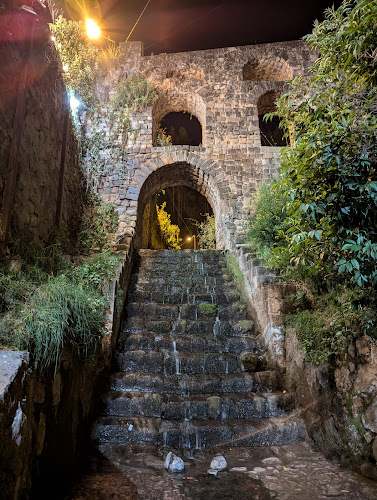
Museum of the Peoples of Paucartambo is a public cultural museum at Plaza de Armas s/n, in Paucartambo’s historic center, Cusco, Peru. Housed in a traditional colonial-era house overlooking the town’s main square, it interprets the long history, ritual life and material culture of Paucartambo province, from pre-Hispanic occupation to the celebrated Virgen del Carmen festival. Travelers come for a compact, locally grounded introduction to the communities, dances, masks and devotional traditions that give this Andean town its distinctive identity.
What to Expect at Museum of the Peoples of Paucartambo
The galleries are organized around Paucartambo’s archaeology, history and ethnography. Archaeological material introduces settlement in the province before the Spanish conquest, while historical displays trace the changes brought by colonial rule and the republican period. The ethnographic rooms are the centerpiece for many visitors: look for festival-related clothing, dance masks, musical objects and household textiles that connect objects in cases with traditions still practiced in the town and surrounding rural communities.
Give special attention to interpretation of the Fiesta de la Virgen del Carmen, held each July in Paucartambo. The museum helps decode the characters encountered during the celebration, including the masked dancers and social satire embedded in the comparsas, rather than presenting the festival simply as a spectacle. Its setting is part of the experience as well. The museum occupies rooms of an old house on the Plaza de Armas, with a courtyard-based layout typical of historic Andean town architecture. Displays are modest in scale, so careful label-reading adds more value than rushing through.
- Ethnographic galleries: Costumes, masks, textiles and objects associated with Paucartambo’s ritual calendar and local communities.
- Virgen del Carmen interpretation: Context for the July feast, its dance troupes and religious procession.
- Archaeological section: Material evidence of earlier occupation in the Paucartambo area.
- Local-history displays: Exhibits linking colonial and republican-era change to the present-day town.
- Historic-house setting: Interior rooms and courtyard circulation on the Plaza de Armas.
Museum of the Peoples of Paucartambo at a Glance
| Detail | Information |
|---|---|
| Address | Plaza de Armas s/n, Paucartambo, Cusco, Peru |
| Neighborhood / Area | Historic center, directly on Paucartambo’s Plaza de Armas |
| Operating Hours | Publicly listed daytime hours are generally Tuesday–Friday, 8am–4pm; hours can change for holidays and local events, so confirm before travel. |
| Admission & Ticket Prices | Free public admission; verify same-day access and any group arrangements through the official museum page. |
| Recommended Visit Duration | 45 to 60 minutes |
| Nearest Transit / Parking | Paucartambo bus terminal and local taxi drop-offs are a short walk from the plaza; use the public square perimeter or designated street spaces for limited parking. |
| Official Website / Phone | Museos del Ministerio de Cultura; contact details and current notices are posted there. |
Visiting Tips, Getting There & Nearby Pairings
Arrive soon after opening for the quietest gallery time and enough daylight to explore the square afterward. No advance reservation is normally required for individual visitors because entry is free, but groups, school visits and travelers arriving during the Virgen del Carmen period should contact the museum ahead of time. From Cusco, interprovincial buses and colectivos reach Paucartambo; once in town, the museum is easiest to reach on foot from the terminal or by a short local taxi ride to the Plaza de Armas. Do not rely on roadside parking during festival dates, when streets around the center may be restricted.
The historic house has thresholds, narrow interior circulation and a courtyard layout that can be uneven underfoot. A wheelchair user or visitor with a stroller should ask staff at arrival about the most practical entrance and which rooms can be reached without steps; do not assume that every gallery has step-free access or an elevator. Pair the visit with the Iglesia de Nuestra Señora del Carmen on the plaza, the stone Carlos III Bridge over the Mapacho River, and a walk along the central streets where small eateries and bakeries cluster within roughly 5 to 15 minutes on foot. For wider trip planning, see the Cusco travel guide.
Frequently Asked Questions
What are the best hours to visit the Museum of the Peoples of Paucartambo?
Morning is best, ideally near opening, when the small rooms are calmer and you can continue around the historic center afterward. Daytime opening is generally listed Tuesday through Friday, 8am–4pm; confirm the current schedule before setting out, particularly around public holidays and the July festival.
How much are tickets, and do I need a reservation?
Admission is free. Individual visitors generally enter without a reservation, while organized groups should arrange their visit through the official Ministry of Culture museum page. Check current opening notices before traveling from Cusco.
How much time should I budget for the museum?
Plan 45 to 60 minutes for the archaeological, historical and ethnographic displays. Allow longer if you want to study the Virgen del Carmen material closely or combine the museum with the church, bridge and main square.
Is the museum suitable for children and wheelchair users?
Children can engage with the masks, dance traditions and festival objects, especially with an adult providing context. The museum is in an older courtyard house with possible steps and narrow passages; ask staff about step-free access on arrival, as elevator access should not be expected.
When planning your Cusco travel guide or comparing verified attractions and museums in Cusco, pair this stop with standout local spots including Zona X, Intimachay, Moray, and Pisac (29.7 km away).