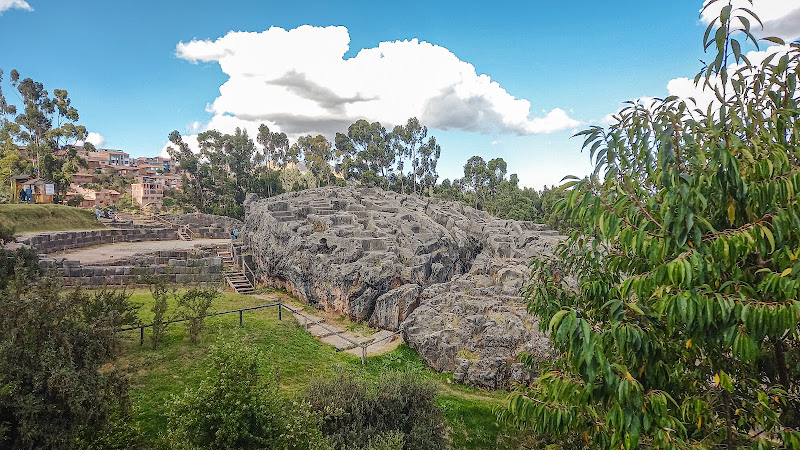
Rumiwasi is a small archaeological site at F3J5+6QF, Calle Wiracocha, San Sebastián, Cusco 08004, Peru, in Cusco’s eastern urban area north of Plaza de San Sebastián. Also known as Phaqchayuq, this pre-Hispanic stone-built place is associated with domestic architecture of the Cusco region, generally dated between 1000 and 1500 AD. Travelers come for a close look at Andean masonry in its local setting and for an outing beyond Cusco’s heavily visited monumental core.
What to Expect at Rumiwasi
Rumiwasi means “stone house” in Quechua: rumi means stone and wasi means house. Its alternate name, Phaqchayuq, refers to a place associated with a waterfall. The site is not a large, staffed archaeological park such as Saqsaywaman or Qorikancha; its interest lies in its surviving stone construction, modest scale, and relationship to the landscape around San Sebastián. Approach it as a short cultural stop rather than a museum experience with interpretive galleries, guided circuits, or a visitor center.
Look closely at the alignment and fitting of the stonework, the changes in ground level, and the way the archaeological remains sit within a lived-in district of greater Cusco. Rumiwasi offers useful context for understanding that Inca and earlier regional building traditions extended beyond the imperial center’s grand temples and plazas. There are no displayed artifact collections, formal exhibition rooms, café, shop, cloakroom, or regular audio-guide service, so a knowledgeable local guide can add historical depth if you want architectural interpretation.
- Stone-built remains: Examine the site’s defining masonry, the feature behind the Quechua name “stone house.”
- Phaqchayuq identity: Learn the alternate Quechua name, linked to a waterfall or water-bearing landscape.
- Domestic-architecture context: See a compact example of the everyday built environment rather than a ceremonial complex.
- San Sebastián setting: Combine the stop with the district’s central square, parish church, and local market activity.
- Uncrowded local perspective: Visit a small-scale archaeological place outside the standard central-Cusco circuit.
Rumiwasi at a Glance
| Detail | Information |
|---|---|
| Address | F3J5+6QF, Calle Wiracocha, Cusco 08004, Peru |
| Neighborhood / Area | San Sebastián District, eastern Cusco urban area |
| Operating Hours | No posted formal visitor schedule; visit during daylight and avoid arriving after dark. |
| Admission / Price Range | No formal ticket office or published admission charge; $ |
| Recommended Visit Duration | 30 to 45 minutes; allow longer when combining it with San Sebastián. |
| Nearest Transit / Parking | Local minibuses and taxis serving Plaza de San Sebastián; limited street parking on surrounding roads. |
| Official Website & Phone | No dedicated official visitor website or public phone is listed for the site. |
Visiting Tips, Getting There & Nearby Pairings
Arrive in the morning, when light is clearer for examining the masonry and the neighborhood is quieter. From Cusco’s historic center, take a taxi directly to Calle Wiracocha or use a local minibus toward Plaza de San Sebastián, then continue on foot. Confirm the drop-off point with the driver, as Cusco’s neighborhood bus routes and vehicle signage can change. There is no reason to reserve a time slot, but do not expect on-site ticket sales, restrooms, food vendors, or interpretive staff.
The setting is best suited to confident walkers. Surfaces around a small archaeological site can be irregular, with uneven paving, loose ground, and changes in level; there is no established step-free visitor route, wheelchair rental, or public restroom facility. Families can make it a brief, educational stop, keeping children close around exposed masonry. Pair it with Plaza de San Sebastián and the Iglesia Matriz de San Sebastián, both near the district center, then browse Mercado de San Sebastián for a local-food stop. For a fuller archaeological day, return toward central Cusco for Qorikancha or continue to the major hilltop remains of Saqsaywaman by taxi.
Frequently Asked Questions
When is the best time to visit Rumiwasi?
Rumiwasi has no posted formal opening timetable, so plan to go in daylight. Morning is the most practical time for cooler walking conditions, clearer photographs, and time to continue to Plaza de San Sebastián afterward.
Does Rumiwasi charge admission or require reservations?
There is no formal ticket booth, published admission price, or reservation system at this small archaeological site. Bring water and use cash for transport or nearby purchases, since there are no on-site visitor services.
How long should I budget for Rumiwasi?
Allow 30 to 45 minutes to locate the remains, observe the stonework, and understand the site’s setting. Add an hour or more if you plan to walk around San Sebastián’s square, church, and market.
Is Rumiwasi accessible for wheelchairs and families?
Rumiwasi does not have a documented step-free route or visitor facilities, and uneven ground can be difficult for wheelchairs and strollers. It works well for families with mobile children who can manage irregular surfaces under close supervision.
When planning your Cusco travel guide or browsing verified attractions in Cusco, pair this stop with standout local spots including Mini Park, Historic Sanctuary of Machu Picchu, Novotel Cusco, and Real Plaza Cusco (1.2 km away).