
Editorial disclosure: This destinations.ai guide was prepared with AI assistance and checked against the official sources linked below. Accommodation and activity placeholders may use affiliate links; that does not change the planning advice.
Da Nang, on Vietnam’s central coast, is a fast-growing beach city that balances modern seaside resorts with cultural and natural wonders, and serves as the gateway to nearby Hoi An and Hue.
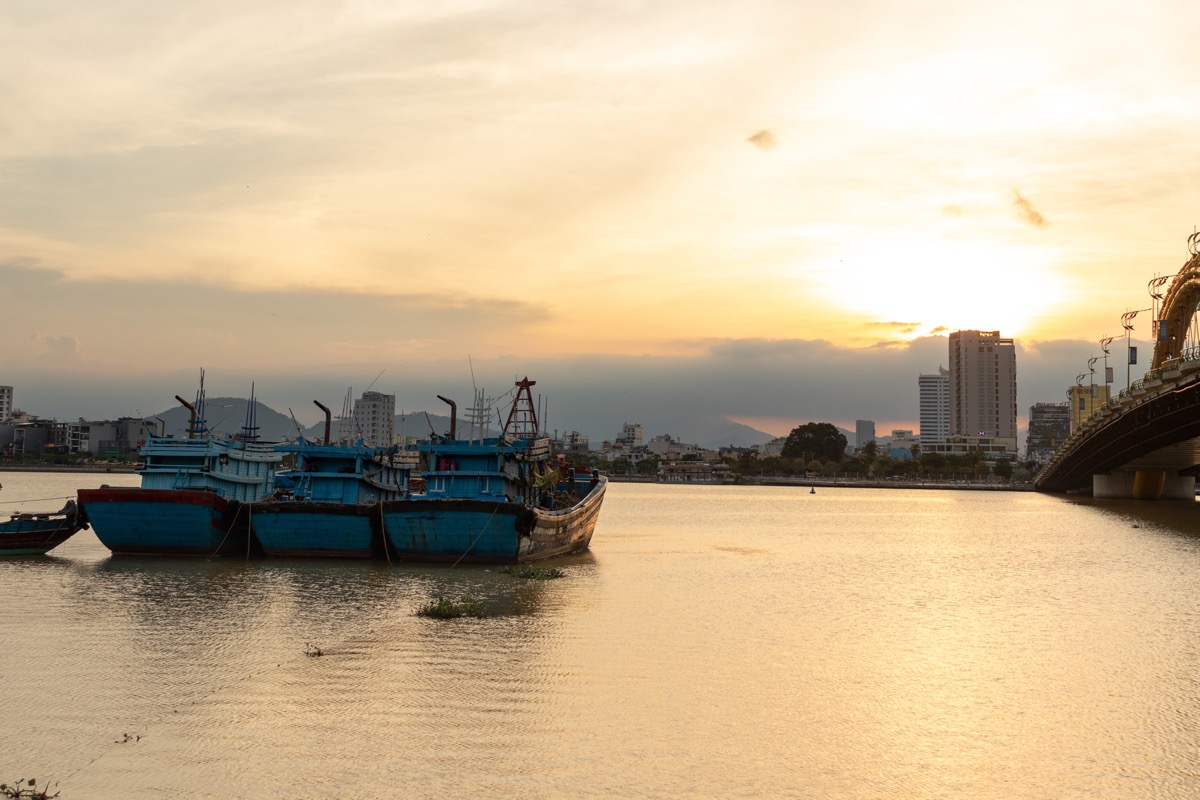
Sunbathe on the 20-kilometer sweep of My Khe Beach, explore the caves and Buddhist shrines of the Marble Mountains, and ride up to Ba Na Hills to walk the famous Golden Bridge held aloft by giant stone hands. After dark, watch the Dragon Bridge breathe fire and water on weekend nights.
The best time to visit is March to August, when the weather is warm and the sea is calm and clear; March to May offers the best balance of sunshine and smaller crowds. Avoid September to November, the typhoon and rainy season. Allow three to four days, ideally combined with a side trip to Hoi An.
Affiliate placeholder: Compare accommodation options after checking the official property details, location, and cancellation terms.
Affiliate placeholder: Check current activity availability, meeting points, accessibility, and cancellation terms before reserving.
Sources and current planning links
Explore more destinations.ai travel guides when building a longer route.
How to plan a Da Nang visit
Da Nang is a central Vietnamese coastal city where broad beaches, street food, the Son Tra Peninsula, Cham culture, and the Marble Mountains fit into one flexible itinerary. This guide is for Da Nang, Vietnam, not a similarly named destination. Use the city as a base for a few slow beach-and-food days, then add Hoi An, the Hai Van Pass, or another central Vietnam trip only when the route and weather make sense.
The official Vietnam Tourism guide describes Da Nang as a travel hub with an international airport, rail and bus connections, abundant taxis, and ride-hailing options. That convenience is useful, but the city’s attractions are spread between the riverfront, coast, peninsula, and southern edge. Group stops by area and leave time for traffic, heat, weather, and an unplanned meal.
What are the best things to do in Da Nang?
The best things to do in Da Nang are enjoying My Khe Beach, exploring Son Tra, visiting the Museum of Cham Sculpture, walking through the Marble Mountains, and eating the city’s central Vietnamese specialties. Start outdoor activities early, then use midday for shade, a long lunch, a museum, or a rest at your hotel.
Begin with the beach and the sea
My Khe Beach is an easy first introduction because it connects Da Nang’s everyday coastal life with its resort infrastructure. Go early if you want a quieter walk, a cooler run, or a look at local morning routines. Swimming, surfing, and other water activities depend on the current beach conditions, flags, lifeguard guidance, and your own experience. Do not treat a calm photograph as a safety report.
The shoreline works for more than a resort day. Bring modest beach clothing for moving back into the city, protect your skin, and plan water and shade. If you are traveling with children, identify the supervised swimming area and an easy way back to food or accommodation before everyone gets tired.
Explore Son Tra with care
Son Tra Peninsula adds forested hills, sea views, pagodas, and wildlife to a city itinerary. Vietnam Tourism notes that the area is home to the endangered red-shanked douc langur. Keep your distance, never feed animals, and avoid loud playback or attempts to attract wildlife. Use a licensed guide or a clearly planned route if you are unfamiliar with the roads and weather.
A motorbike can make the peninsula feel open and scenic, but only ride if you are legally entitled, properly insured, experienced in local traffic, and comfortable with the route. A car with a driver or an organized excursion may be the more sensible choice. Check current road, weather, parking, and access conditions before leaving the city.
Learn about Cham culture
The Museum of Cham Sculpture is one of Da Nang’s most useful cultural stops. The collection gives context to the Cham kingdoms and the temples and artworks found across central Vietnam. Plan enough time to read labels rather than rushing through for photographs, and verify current opening hours, admission, photography rules, and accessibility before you go.
Marble Mountains offers another connection between landscape, religious practice, and local history. The official tourism guide describes five limestone and marble outcrops with pagodas, caves, steps, and shrines south of the city. Wear shoes with a reliable grip, carry water, and be honest about your group’s comfort with stairs, uneven stone, heat, and enclosed spaces.
What food should you try in Da Nang?
Eat in Da Nang for mi quang, seafood, noodles, grilled dishes, fresh herbs, coffee, and the city’s broad range of street-food and seafront meals. Mi quang is a useful first order because it reflects central Vietnamese flavors and often combines rice noodles, herbs, peanuts, and savory toppings, though recipes vary by kitchen.
Ask where locals eat on the route you are already taking, then check current hours and whether a stall is open in the season you visit. Food markets and casual restaurants may be fast and informal, but carry cash or a payment backup, ask about ingredients when allergies matter, and do not assume a dish is mild. Heat, seafood, and unfamiliar herbs deserve a little attention.
Breakfast can be a smart time to try a busy local dish before a beach or peninsula outing. At lunch, choose shade and fluids; the strongest itinerary is not the one that stacks a long walk with a heavy meal and another exposed attraction. For an evening food route, arrange your return transport before ordering drinks.
Where should you stay in Da Nang?
Stay near My Khe for beach access, around the Han River for city walks and evening views, or in a quieter Son Tra location if you value the peninsula and early starts. The best neighborhood depends on your trip, not on a generic “central Da Nang” label. Compare the exact address, airport transfer, road noise, beach crossing, breakfast schedule, lift, pool, and cancellation policy.
Resorts can simplify beach time and families may value a pool, kitchen, or larger room, while a city hotel can make restaurants, markets, and the museum easier. Ask about luggage storage, late arrival, accessible entry, and help arranging a driver for Marble Mountains or a regional day trip. Book time-sensitive activities only after you understand the transfer time from your room.
When is the best time to visit Da Nang?
March through May and September through October are strong planning windows for Da Nang, while June through August can bring clear seas and little rain and November through February is wetter. These are planning patterns, not guarantees. Check the live forecast, storm warnings, beach conditions, and official attraction notices before committing to a boat, motorbike, or mountain route.
March, April, and May often suit visitors who want a balance of warm weather and outdoor sightseeing. Summer can be bright and hot, which makes early beach time and indoor midday breaks especially useful. During the rainy season, build a museum, café, food, or flexible city day into the schedule instead of assuming every excursion will run.
How do you get around Da Nang?
Use taxis, ride-hailing, a driver, or a carefully chosen motorbike according to the distance, weather, and your experience. Da Nang International Airport, rail services, and buses connect the city with wider Vietnam, while local rides can reach the beach, Son Tra, Marble Mountains, Hoi An, and the Hai Van Pass. Confirm pickup points and prices through the current provider before setting out.
Walking is pleasant for selected riverfront and beach stretches but is not the best solution for every attraction. Cross roads deliberately, carry a phone and offline address, and allow time for traffic. If you use a motorbike, wear a helmet, follow local law, and choose a route that matches your actual skills rather than the confidence created by a travel video.
What day trips can you take from Da Nang?
Da Nang is a useful base for Hoi An, the Hai Van Pass, and other central Vietnam journeys, but each day trip needs its own transport, weather, and return-time check. Hoi An is close enough to pair with a late afternoon and evening, while a mountain or longer coastal route needs more daylight and a clearer plan.
Do not schedule Marble Mountains, Hoi An, and the Hai Van Pass as if they were three quick city blocks. Pick the experience that matters most, then leave time for meals and traffic. If you book a driver, confirm the vehicle, waiting time, fuel or toll arrangements, stops, and cancellation terms in writing.
What is a practical three-day Da Nang itinerary?
Three days is a comfortable first visit to Da Nang: one beach-and-city day, one culture-and-landscape day, and one flexible regional or food-focused day. A fourth day gives you protection against rain and makes a slower Hoi An or Hai Van Pass outing easier.
- Day one: Walk or swim at My Khe early, rest during the heat, then explore the Han River area and eat a central Vietnamese dinner.
- Day two: Visit the Museum of Cham Sculpture, choose Marble Mountains or Son Tra, and keep the evening light.
- Day three: Take a confirmed Hoi An, Hai Van Pass, food, or beach day trip, with a weather backup ready.
What safety and accessibility details matter?
Plan safely in Da Nang by checking beach and storm conditions, using reputable transport, protecting valuables, and matching stairs, heat, and road crossings to your group. Ask hotels and attractions about step-free entry, lifts, restrooms, shaded seating, and vehicle drop-off. Marble Mountains and peninsula roads can be difficult for some travelers even when the city hotel is accessible.
Carry water and sun protection, use ordinary food and traffic precautions, and keep emergency and accommodation details available offline. Weather information should come from current official or provider channels. If conditions turn, a good travel decision is to change the plan; Da Nang will still be there tomorrow.
Is Da Nang worth visiting?
Da Nang is worth visiting when you want a Vietnamese city that combines a real beach, memorable food, accessible cultural stops, nearby mountains, and easy connections across central Vietnam. Its best days move between sea, shade, food, and conversation rather than racing through every attraction. Check the official tourism guidance for current weather and transport, then build a route that leaves room for the city’s everyday life.
For a longer regional route, compare Hoi An, Vietnam, Hanoi, Vietnam, Bangkok, Thailand with this destination before finalizing your itinerary.
Frequently asked questions
What is Da Nang, Vietnam best known for?
Da Nang, on Vietnam's central coast, is a fast-growing beach city that balances modern seaside resorts with cultural and natural wonders, and serves as the gateway to nearby Hoi An and Hue.
When is the best time to visit Da Nang?
The best time to visit is March to August, when the weather is warm and the sea is calm and clear; March to May offers the best balance of sunshine and smaller crowds.
How many days should you spend in Da Nang?
Plan about 3 days for a first visit, then add time if you want to explore beyond the central sights.
How should you get around Da Nang?
A car with a driver or an organized excursion may be the more sensible choice.
What should you book ahead in Da Nang?
Book time-sensitive activities only after you understand the transfer time from your room.
Explore Da Nang by Category: Discover top curated spots across Da Nang Attractions & Sightseeing, Best Places to Stay in Da Nang, Da Nang Restaurants & Dining.


