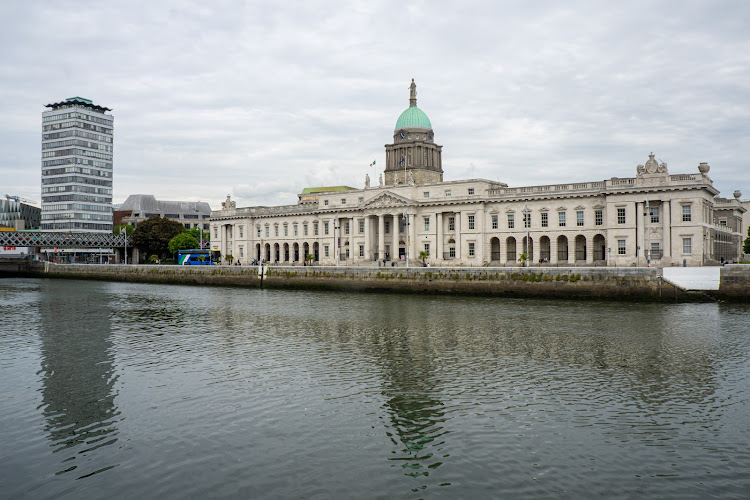
The National Museum of Ireland – Archaeology is Ireland’s premier national cultural institution, treasure house of ancient antiquities, and architectural jewel located on Kildare Street in Dublin, Ireland. Housed within a majestic Victorian neoclassical palazzo completed in 1890, the museum displays world-famous Celtic, prehistoric, and medieval antiquities—including the 8th-century Ardagh Chalice, the Tara Brooch, Iron Age bog bodies, the Bronze Age golden lunulae, and the largest Viking artifact collection in Europe—all with 100% free public admission.
At A Glance: National Museum of Ireland – Archaeology Facts
| Museum Metric | Cultural Specification & Visitor Detail |
|---|---|
| Address & Location | Kildare Street, Dublin 2, D02 FH48, Ireland (Adjacent to Leinster House) |
| Operating Hours | Tue–Sat: 10:00 AM – 5:00 PM | Sun–Mon: 1:00 PM – 5:00 PM (All year round) |
| Admission Tickets | 100% Free public admission for all visitors (No tickets required) |
| Architectural Design | Victorian Neoclassical palazzo designed by Thomas Newenham Deane (opened 1890) |
| Signature Celtic Treasures | The Ardagh Chalice, Tara Brooch, Derrynaflan Paten, Cross of Cong, Broighter Gold |
| Transit & Luas | Luas Green Line (Dawson stop, 2-min walk) & Pearse DART Station (5-min walk) |
A Victorian Palace of Celtic Antiquities
Designed by master Irish architects Thomas Newenham Deane and his son Thomas Manly Deane, the museum building on Kildare Street is itself an astonishing work of art. Constructed between 1884 and 1890 using Irish marbles and granites, the building features a monumental Palladian colonnaded rotunda with a domed ceiling rising 20 meters high, intricate mosaic tile floors illustrating the zodiac and classical mythology, and carved Majolica ceramic friezes.
Step inside, and you are immediately transported across 9,000 years of human history in Ireland—from the first Mesolithic hunter-gatherers and Stone Age passage tomb builders to the golden age of early Christian monasticism, fierce Viking invasions, and medieval Anglo-Norman castles.
The Crown Jewels of Celtic Metallurgy
The museum’s central Treasury gallery houses the most extraordinary collection of prehistoric and early Christian gold and bronze metalwork in Western Europe:
- The Ardagh Chalice (8th Century AD): Considered the supreme masterpiece of early Christian Celtic art. Crafted from spun silver, gilded bronze, and gold filigree, this magnificent two-handled communion cup is adorned with intricate interlaced animal motifs, red glass studs, and blue enamel cabochons.
- The Tara Brooch (c. 710–750 AD): An exquisite pseudo-penannular brooch of cast silver-gilt, decorated on both front and back with microscopic gold filigree depicting beasts, birds, and human faces in Celtic La Tène and Germanic styles.
- The Broighter Hoard & Gold Boat (1st Century BC): A remarkable Iron Age ceremonial deposit found in County Derry, featuring a miniature gold sailing boat complete with oars, benches, and mast, alongside an exquisitely decorated hollow gold collar (*torc*).
- The Bronze Age Gold Lunulae: Crescent-shaped collars hammered paper-thin from native Irish river gold around 2200–1800 BC, etched with delicate geometric chevrons representing the earliest symbols of prehistoric power and spiritual prestige.
Kingship and Sacrifice: The Prehistoric Bog Bodies
One of the most emotionally profound and scientifically fascinating galleries is Kingship and Sacrifice, displaying naturally mummified prehistoric bog bodies recovered from Ireland’s peat bogs:
Thanks to the anaerobic, acidic conditions of the sphagnum moss bogs, ancient human remains—such as Old Croghan Man and Clonycavan Man, dating from 400 to 200 BC—have been preserved with remarkable fidelity. Visitors can observe intact skin, fingernails, internal organs, and even intricately styled hairstyles held in place by ancient vegetable resin gel. Archaeological research indicates these men were high-status Celtic aristocrats or fallen kings ritually sacrificed to the fertility earth goddess after harvest failures.
Viking Dublin & Medieval Ireland
The upper gallery showcases the largest collection of Viking antiquities in the British Isles, excavated directly from medieval settlement layers at Wood Quay along the River Liffey in Dublin. Explore remarkably preserved Viking iron swords with silver-inlaid hilts, walrus ivory gaming pieces, amber jewelry, leather shoes, and wooden battle axes illustrating Dublin’s 10th-century origins as a major Scandinavian trading empire.
Exploring Kildare Street & Dublin’s Cultural Quarter
The museum is situated in the historic political and literary heart of Dublin:
Directly flanking the museum stands Leinster House (the seat of Ireland’s national parliament, the Oireachtas) and the National Library of Ireland with its renowned W.B. Yeats exhibition. Stroll two minutes north to explore the cobblestone squares and Book of Kells exhibition at Trinity College Dublin, or walk three minutes south to enjoy a peaceful picnic around the flower gardens of St Stephen’s Green.
Frequently Asked Questions About the National Museum of Ireland
Do I need to book advance tickets to visit?
No. Admission to the National Museum of Ireland – Archaeology is completely free of charge, and walk-in visitors are welcomed throughout opening hours without prior ticket booking.
Are guided tours available?
Yes. The museum offers scheduled public guided tours led by professional staff educators, exploring highlights of the Celtic Treasury and bog bodies. Check at the information desk upon arrival for daily tour timings.
Is the museum wheelchair accessible?
Yes. The ground-floor rotunda, Treasury gallery, and bog bodies exhibition are fully wheelchair accessible via ramp access and passenger lifts.
Prehistoric Gold: The Richest Collection in Europe
Ireland during the Bronze Age (c. 2200–500 BC) was the primary metallurgical center of Atlantic Europe, blessed with rich alluvial gold deposits in the rivers of County Wicklow. The National Museum on Kildare Street preserves the greatest collection of prehistoric goldwork in Western Europe. Master goldsmiths hammered native gold into paper-thin, crescent-shaped neck collars (*lunulae*), massive spiral armlets, and ceremonial dress fasteners (*gorgets*) that dazzled ancient communities with their sun-like brilliance and intricate geometric engravings.
Curated 3-Hour Dublin Museum & Georgian Quarter Itinerary
Combine your visit to the National Museum of Ireland – Archaeology with the architectural gems of Dublin’s historic Georgian quarter:
- 10:00 AM: Celtic & Viking Treasures: Tour the museum’s ground-floor Treasury gallery to gaze upon the Ardagh Chalice and Tara Brooch, then visit the somber bog bodies exhibition to view Old Croghan Man.
- 11:45 AM: National Library & W.B. Yeats: Step next door into the magnificent domed reading room of the National Library of Ireland to tour the award-winning exhibition celebrating the life and poetry of William Butler Yeats.
- 12:45 PM: St Stephen’s Green & Georgian Squares: Stroll two blocks south onto the lush lawns of St Stephen’s Green. Walk past the colorful Georgian doors of Merrion Square, photographing the bronze statue of Oscar Wilde reclining on a granite boulder.