Editorial disclosure: This destinations.ai guide was prepared with AI assistance and checked against the official sources linked below. Accommodation and activity placeholders may use affiliate links; that does not change the planning advice.
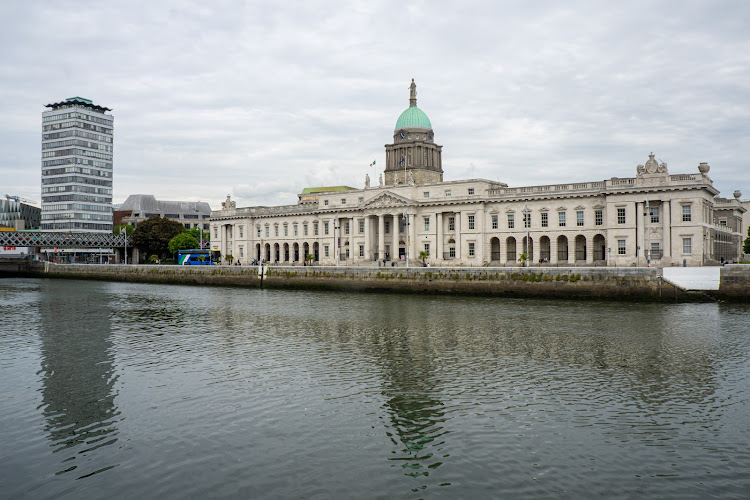
Dublin, the capital of Ireland, is a friendly, walkable city steeped in literary history, lively pubs, and Georgian architecture along the River Liffey.
Tour the Guinness Storehouse for a pint with a skyline view, marvel at the Book of Kells and the breathtaking Long Room library at Trinity College, and explore Dublin Castle and Christ Church Cathedral. Wander the cobbled, music-filled lanes of Temple Bar and the galleries of the National Gallery of Ireland.
The best times to visit are the shoulder seasons of May and September, with mild weather and lighter crowds; summer brings the warmest days, longest light, and most festivals but peak prices, while winter is cozy, festive, and cheapest outside the holidays. Two to three days covers the highlights, with easy day trips to the coast or Wicklow Mountains.
Affiliate placeholder: Compare accommodation options after checking the official property details, location, and cancellation terms.
Affiliate placeholder: Check current activity availability, meeting points, accessibility, and cancellation terms before reserving.
Sources and current planning links
Explore more destinations.ai travel guides when building a longer route.
How to plan a Dublin visit
Dublin works best as a walkable history-and-culture break with one major timed attraction, one neighborhood route, and a park or coastal outing. The city center is compact, but queues, rain, and evening crowds can change the pace. Use Visit Dublin’s current listings for events and opening information, then plan around the places you most want to understand rather than collecting every famous pub and landmark.
What are the best things to do in Dublin?
Start with Trinity College and the Book of Kells area, Dublin Castle, the Chester Beatty, and the historic churches or museums that fit your interests. Timed attractions such as Kilmainham Gaol need advance planning and should not be placed at the opposite end of the city from another fixed booking. The National Museum collections and the National Gallery offer useful rainy-day options, while the Grafton Street and Georgian areas make the walk between sights part of the visit.
The Guinness Storehouse is a popular paid experience, but it is not the only way to understand Dublin’s relationship with brewing, labor, and the city’s neighborhoods. Temple Bar is worth seeing as a historic district, not just a nightlife shortcut. Cross the Liffey, look at the bridges and quays, and decide whether your evening is about music, food, theater, or a quiet hotel return.
Phoenix Park supplies a completely different scale. Dublin Zoo, the park’s paths, and nearby museums can support a family day, but check current opening arrangements and weather. Howth adds a coastal change of scene and can work as a half-day or longer outing depending on the walk you choose. Confirm transport and cliff-walk conditions before treating a coastal photograph as a guaranteed route.
Which Dublin neighborhoods are best for visitors?
Temple Bar and the south-center put first-time landmarks close, while Merrion Square, Portobello, Smithfield, and the Docklands offer different combinations of quiet, food, and modern city life. Temple Bar is convenient but lively and expensive at night. The Georgian core is calmer for museums and architecture. Smithfield works for visitors who want a neighborhood evening and easy access to the western center, while the Docklands changes the mood with newer buildings and waterfront walks.
Choose accommodation by the exact street, not the district name alone. Compare lift access, heating, soundproofing, luggage storage, breakfast hours, and the route to your first timed entry. A central room saves transit but may sit above a busy bar. If your itinerary includes an early airport bus or train, ask the hotel about the current pickup point and keep the transfer plan offline.
What should you eat and drink in Dublin?
Dublin’s food scene covers traditional pub cooking, seafood, bakeries, modern Irish restaurants, and an unusually strong coffee culture. Try a dish because the current menu and neighborhood make sense, not because a generic list says you must. Irish stew, soda bread, seafood, local cheeses, and seasonal vegetables can appear in different forms. Ask about allergies, shared kitchens, reservation times, and whether a music venue expects you to keep a table for the full evening.
Plan a substantial meal before a concert, theater show, or late attraction, and keep a bakery or café option for a wet afternoon. Traditional music is best approached as a live local culture rather than a performance guarantee: check the current venue schedule and listen respectfully. If you want to visit several pubs, keep the route walkable and plan your return before the last round.
What is the best time to visit Dublin?
Late spring through early autumn offers long days for parks and coastal walks, while shoulder seasons can be a good fit for museums and lower demand. May through September is popular, but rain and wind remain possible. October through April suits travelers who are happy to build around indoor culture, food, and short walks. Check current festivals, match days, and school-holiday demand before assuming a weekend will be quiet or inexpensive.
Bring a waterproof layer, shoes with grip, and a plan that can change without wasting a timed ticket. Dublin’s weather can shift between the city center and the coast. If a cliff walk is wet or windy, replace it with a museum, library, gallery, or neighborhood meal rather than taking an unnecessary risk for a view.
How do you get around Dublin?
Walking handles many central sights, while buses, Luas, DART, taxis, and organized transfers cover longer routes. Check the current fare, ticketing, service changes, and airport connection before you rely on a route. DART is useful for selected coastal journeys, but a day trip still needs a timetable and a clear return plan. The center can be slower than expected during events, so leave a buffer before a timed tour.
A car is unnecessary for most city breaks and can be awkward in the center. It becomes useful for a wider Ireland road trip, but collect it after leaving Dublin and confirm parking at rural accommodation. For Howth or another coastal outing, check the walk’s endpoint and return station. Save your accommodation address and ticket details offline in case rain makes an improvised phone search uncomfortable.
Dublin for families and accessible travel
Families can combine one history stop, Phoenix Park or a museum, a short river walk, and an early meal without exhausting everyone. Dublin Zoo, hands-on museums, parks, and the city’s stories give children a reason to keep moving. Build in toilets and snacks, and do not promise that every Georgian building, old pub, or cobbled lane is stroller-friendly. A short route with a nearby bus or taxi option is often the smarter plan.
Accessibility depends on the attraction, pavement, vehicle, lift, and station. Contact hotels, museums, Kilmainham Gaol, and coastal operators about step-free access, seating, accessible toilets, and route surfaces before booking. Historic importance does not guarantee an accessible interior. Two dependable stops with a rest between them are better than an ambitious itinerary that requires hurried transfers.
A practical three-day Dublin itinerary
Three days allows a central history day, a western or park-focused day, and a coastal or neighborhood day. Reserve the most time-sensitive attraction first, then keep the remaining blocks flexible for weather.
- Day one: explore Trinity, the castle and central museums, then walk the quays and choose a current music or food venue.
- Day two: visit Kilmainham Gaol or another western attraction, add Phoenix Park, and keep the evening close to your base.
- Day three: take the DART toward Howth or stay in the city for the Docklands, galleries, shopping, and a slower meal.
Which day trips work from Dublin?
Howth, Dún Laoghaire, Bray, and other accessible coastal routes make easy extensions, while the farther Irish heritage and landscape sites deserve a separate full day. Check the current rail, bus, tour, and weather information before leaving. Do not combine a long regional drive with an evening flight or fixed show. Dublin is a strong base precisely because a good day can remain close to the city.
Dublin’s appeal is less about completing a list than finding a comfortable rhythm between history, conversation, weather, and music. Verify current details, choose a neighborhood to return to, and leave space for the city to feel lived-in.
For a longer regional route, compare London, England, Edinburgh, Scotland, Amsterdam, Netherlands with this destination before finalizing your itinerary.
Frequently asked questions
What is Dublin, Ireland best known for?
Dublin, the capital of Ireland, is a friendly, walkable city steeped in literary history, lively pubs, and Georgian architecture along the River Liffey.
When is the best time to visit Dublin?
The best times to visit are the shoulder seasons of May and September, with mild weather and lighter crowds; summer brings the warmest days, longest light, and most festivals but peak prices, while winter is cozy, festive, and cheapest outside the holidays.
How many days should you spend in Dublin?
Plan about 3 days for a first visit, then add time if you want to explore beyond the central sights.
How should you get around Dublin?
Dublin, the capital of Ireland, is a friendly, walkable city steeped in literary history, lively pubs, and Georgian architecture along the River Liffey.
What should you book ahead in Dublin?
Tour the Guinness Storehouse for a pint with a skyline view, marvel at the Book of Kells and the breathtaking Long Room library at Trinity College, and explore Dublin Castle and Christ Church Cathedral.
Explore Dublin by Category: Discover top curated spots across Dublin Attractions & Sightseeing, Best Places to Stay in Dublin, Dublin Restaurants & Dining.