Editorial disclosure: This destinations.ai guide was prepared with AI assistance and checked against the official sources linked below. Accommodation and activity placeholders may use affiliate links; that does not change the planning advice.
The Galápagos Islands belong to Ecuador, about 1,000 kilometres west of the mainland in the Pacific Ocean. They reward careful planning with wildlife encounters that feel unusually close and immediate, as you share trails, beaches, and snorkeling coves with sea lions, marine iguanas, giant tortoises, Darwin’s finches, blue-footed boobies, and, in the right locations, Galápagos penguins.
This Galapagos Islands travel guide helps you choose between a cruise and island-based trip, build a realistic route, and prepare for the park rules, costs, weather, and boat travel that shape every visit. The archipelago is a protected national park first and a beach holiday destination second, so your most memorable days will come from guided wildlife excursions, patient observation, and keeping your itinerary flexible around sea conditions.
Key Takeaways
- Stay on Santa Cruz, San Cristóbal, or Isabela for flexible land-based exploration.
- Book wildlife tours and inter-island transport before your arrival during busy travel periods.
- Bring reef-safe sun protection, motion-sickness remedies, and cash in small US-dollar denominations.
Quick Answers and Trip Profile
The Galápagos Islands suit you best if you want nature-focused travel, active days, and close wildlife viewing within tightly managed protected areas. Ecuador uses the US dollar, Spanish is the primary language, and the inhabited-island towns provide practical bases for hotels, restaurants, groceries, taxis, and day tours.
- Best first base: Puerto Ayora on Santa Cruz, with the broadest choice of services and ferry connections.
- Best trip length: Plan at least four or five nights if your flights allow; a week gives you far more time on the water and trails.
- Best for: Wildlife photographers, snorkelers, divers, families with confident swimmers, hikers, and conservation-minded travellers.
- Park access: Most visitor sites inside Galápagos National Park require a certified naturalist guide.
- Entry route: Fly from Quito or Guayaquil to Baltra or San Cristóbal after completing required travel formalities.
A liveaboard cruise covers remote visitor sites and travels between islands overnight. A land-based holiday gives you hotel comfort, independent meals, town time, and a choice of day trips, although ferry crossings take time and can be rough. You can compare routes and key visitor basics through the official Galápagos travel information portal.
Best Things to Do in Galapagos Islands, Ecuador
Your strongest Galápagos experiences combine one guided wildlife outing with time in the water and one accessible shoreline or highland walk. Keep a respectful distance, stay on marked trails, and let animals set the encounter’s pace.
- Snorkel with sea lions: Look for guided outings around Santa Cruz, San Cristóbal, or Isabela, where sea lions, rays, turtles, reef fish, and marine iguanas are frequent possibilities. Wear a rash guard for sun protection and follow your guide’s instructions around wildlife.
- Visit giant tortoises: Santa Cruz’s highlands and the Charles Darwin Research Station area connect you with the conservation story behind the iconic tortoises. Giant tortoises can weigh more than 400 kilograms, as noted in this overview of Galápagos wildlife and logistics.
- Walk to Tortuga Bay: This long, paved approach from Puerto Ayora leads to a beautiful beach and lagoon environment. Plan water, a hat, and enough time for the return walk; use the local details for Tortuga Bay Beach when arranging your Santa Cruz day.
- Hike volcanic landscapes: Join permitted excursions to see lava fields, calderas, cactus zones, and dramatic coastal cliffs. Sierra Negra on Isabela is a well-known volcanic hiking objective, subject to current trail conditions and guide requirements.
- Watch seabirds: Blue-footed boobies, frigatebirds, lava gulls, pelicans, and Darwin’s finches are visible from many island trails and boat landings. Bring binoculars if birding is a priority.
- Dive with an established operator: Experienced divers can access marine-rich sites, though conditions, currents, certification requirements, and equipment standards deserve careful review before booking.
Wildlife viewing is strongest when you slow down. A sea lion resting beside a boardwalk or a marine iguana warming on black lava gives you more time for observation than a hurried attempt to collect sightings.
History, Culture, and Local Character
The Galápagos are a living laboratory of evolution whose human communities grew around fishing, migration, conservation, and tourism. Charles Darwin visited in 1835, and observations from the archipelago later informed his work on natural selection.
You will feel the inhabited islands’ local character most clearly in Puerto Ayora, Puerto Baquerizo Moreno, and Puerto Villamil. These are working towns where residents manage daily life alongside strict environmental rules, visiting yachts, naturalist guides, and a high seasonal flow of travellers.
Spend some time beyond the excursion dock. Browse locally made work at Galería Exótico Ecuador Fair Trade, visit the fish market area in Puerto Ayora with courtesy, and choose operators that employ licensed local guides. Your purchases support a resident economy operating in an isolated island setting, where transport and supplies carry higher costs.
Conservation is part of local culture, not a visitor add-on. You help by cleaning footwear between islands, never feeding animals, avoiding single-use plastics where possible, and refusing any activity that pressures wildlife for a closer photograph.
Neighborhoods, Parks, and Outdoor Activities
Choose your island base by the activities you want most, because each settlement offers a different balance of services, beaches, wildlife, and transfer time. Galápagos National Park covers 97% of the archipelago’s land area, so protected landscapes are never far from town.
- Puerto Ayora, Santa Cruz: The busiest hub, with restaurants, tour agencies, hotels, a fish market, the Charles Darwin Research Station area, and connections to other inhabited islands. Use it for a first visit, highland tortoise outings, and access to Las Grietas.
- Puerto Baquerizo Moreno, San Cristóbal: A smaller waterfront town with abundant sea lions, accessible beaches, and popular marine excursions. It works well if you want a calmer base with direct arrival flights.
- Puerto Villamil, Isabela: A low-key coastal settlement for beach walks, flamingo lagoons, cycling, and volcano outings. Transfers take longer, so give this island more than one night.
- Las Grietas, Santa Cruz: This narrow volcanic rock fissure holds clear water for swimming when conditions permit. Confirm access arrangements and bring sturdy sandals for Las Grietas.
For outdoor time without a full-day boat tour, walk waterfront paths at sunrise, rent a bicycle where roads allow, or visit the Santa Cruz highlands. Keep your wildlife distance even in town: sea lions on benches and iguanas near paths remain wild animals.
Where to Stay and What to Eat
Puerto Ayora is your most practical place to stay for a land-based first trip, while San Cristóbal and Isabela suit you when their landscapes and day trips are your priority. Book accommodation that confirms air conditioning, hot water, airport-transfer arrangements, and whether breakfast is included.
Santa Cruz has the deepest range of guesthouses, hotels, and upscale properties. You can consider the waterfront setting of Finch Bay Galapagos Hotel or central accommodation such as Ikala Galapagos Hotel if those locations and facilities fit your itinerary. For a cruise, your cabin is your accommodation, and your route, vessel size, guide quality, cabin type, meals, and included activities deserve review before payment.
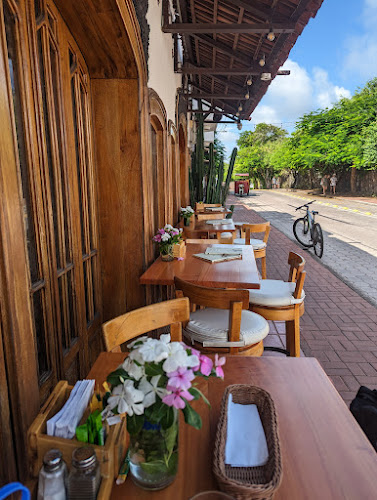
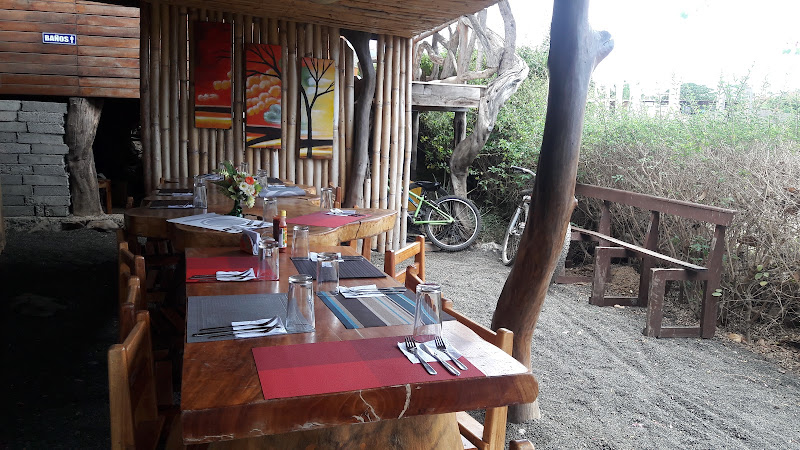
Menus draw on Ecuadorian coastal cooking: grilled fish, ceviche, lobster when legally in season, shrimp, plantains, rice, soups, and fresh fruit juices. Choose restaurants that state their seafood sourcing clearly, and ask about the day’s catch. Puerto Ayora offers Ecuadorian dining options including Muyu Galapagos.
Tap water standards vary by property, so use filtered or treated water provided by your hotel or tour operator. Carry a reusable bottle and refill it, which reduces the plastic waste burden on small island communities.
How to Get There and Get Around
You reach the Galápagos by flying from Quito or Guayaquil to Baltra’s Seymour Airport or San Cristóbal Airport, then continuing by bus, ferry, taxi, or pre-arranged transfer. International flights do not go directly to the islands.
For Baltra arrivals, airport transport leads to the Itabaca Channel, where a short water crossing takes you to Santa Cruz before the road journey to Puerto Ayora. Flights, park rules, and entry procedures can change, so confirm details through current Galápagos trip-planning guidance before buying non-refundable tickets.
- On each island: Walk, take a white pickup taxi, arrange a hotel transfer, or rent a bicycle where appropriate.
- Between islands: Public speedboats link Santa Cruz with San Cristóbal and Isabela. The Santa Cruz to Isabela journey takes about 2 to 2.5 hours by boat, while an inter-island flight is about 30 minutes, according to this transport comparison for the islands.
- For cruises: Transfers between islands are built into the voyage, often during the night.
Speedboat crossings are exposed and can be uncomfortable. Sit toward the rear if you are prone to motion sickness, secure electronics in a dry bag, and take medication only as directed by a clinician or its label.
Best Time to Visit and Seasonal Planning
You can visit the Galápagos year-round, with December through May offering warmer water and June through November bringing cooler, windier conditions and nutrient-rich seas. Your ideal timing depends on whether you value calmer swimming conditions, diving conditions, bird activity, or lower visitor numbers.
During the warm season, air temperatures run about 30 to 34°C and sea temperatures reach about 28°C, making it comfortable for swimming and snorkeling. The cooler season has stronger winds, cooler air, and fewer visitors, while daylight remains close to 12 hours year-round, as detailed in this seasonal Galápagos weather guide.
- December to May: Choose this period for warmer seas, frequent sunshine, and easier water time. Rain falls in short bursts.
- June to November: Choose this period for cooler conditions, stronger currents, and productive marine ecosystems that appeal to divers and wildlife enthusiasts.
- School holiday periods: Reserve flights, hotels, and cruises well ahead, especially for Christmas, New Year, Easter, and northern summer holidays.
Pack for both sun and spray in every month: a brimmed hat, polarized sunglasses, reef-safe sunscreen, a light waterproof layer, quick-drying clothes, closed walking shoes, swimwear, and a dry bag. Your boat operator can confirm wetsuit availability and current sea conditions.
A Practical Two- or Three-Day Itinerary
A short Galápagos trip works best when you stay on one island and avoid spending a valuable day on an inter-island ferry. Santa Cruz offers the most efficient two- or three-day introduction, since Baltra arrivals connect easily with Puerto Ayora.
- Day 1, arrive and explore Puerto Ayora: Travel from Baltra to your hotel, then visit the Charles Darwin Research Station area if arrival time allows. Walk the waterfront, observe marine iguanas and sea lions from a respectful distance, and arrange your next day’s guided tour.
- Day 2, choose one full-day activity: Take a licensed guided snorkeling and wildlife excursion, or visit the Santa Cruz highlands for giant tortoises and volcanic landscapes. Keep the evening free for a relaxed meal and packing for the next morning.
- Day 3, Tortuga Bay or Las Grietas: Walk to Tortuga Bay early for a beach and lagoon outing, or follow the access process for Las Grietas. Leave ample time for your Baltra airport transfer, which includes several transport stages.
For a two-day version, combine arrival-day town exploration with a highlands visit, then make your second day a full guided marine excursion before an evening departure or extra night. A short itinerary gives you a taste of the islands, while longer stays offer more weather flexibility and a better chance to include Isabela or San Cristóbal.
Costs, Safety, Accessibility, and Reservations
You should budget the Galápagos as a premium nature destination. Flights, mandatory fees, guides, fuel, and imported supplies all raise daily costs.
Current estimates place independent budget travel from US$200 per day before getting to the islands, while cruises range from about US$400 to US$1,000 per person per day. Confirm every inclusion before booking through this Galápagos cost breakdown.
- Mandatory charges: International adult visitors are listed at US$200 for the national park entrance fee and US$20 for the Transit Control Card. Carry cash for fees when instructed, since payment methods can vary.
- Accommodation: Budget rooms are listed from US$40 to US$100 per night, while luxury hotels range from US$500 to US$1,000.
- Transport and tours: Inter-island ferries are listed at US$30 to US$60 one way, and guided day tours at US$60 to US$250.
Personal safety risks are low in the main visitor towns when you use ordinary precautions: keep valuables secure, avoid isolated waterfront areas late at night, and use licensed operators. The more immediate practical risks are sun exposure, dehydration, slips on wet boat decks, rough crossings, and strong currents.
Travel insurance with medical evacuation and water-activity coverage is a sensible precaution.
Accessibility varies sharply. Puerto Ayora’s main streets are comparatively manageable, while boats, wet landings, uneven lava, steep gangways, and sandy paths create barriers.
Tell hotels and tour operators about mobility, hearing, vision, dietary, or medical needs before booking. Request written confirmation of what assistance, cabin access, bathroom access, and transfer support they provide.
Reserve flights, park-linked tours, accommodation, and cruises before arrival in busy periods. Keep digital and paper copies of passports, flight confirmations, insurance details, and medication prescriptions in a waterproof pouch.
Sources and Current Planning Links
Use current official and specialist planning information to reconfirm entry procedures, park requirements, weather, transport schedules, and operator credentials before you travel. Island conditions change quickly, especially for ferries, visitor-site access, and marine activities.
- Galápagos Conservancy trip-planning information
- Official Galápagos Islands travel guide
- Galápagos first-time visitor logistics and seasonal guidance
- Galápagos arrival routes, airports, and entry-cost overview
- Galápagos Islands destination information
Fan-Out Coverage Checklist
The following planning answers help you match your available time, budget, travel style, and mobility needs to the islands that fit best. Treat route timing and required fees as items to reconfirm before departure.
Is Galapagos Islands, Ecuador Worth Visiting?
Yes, the Galápagos are worth visiting if wildlife, snorkeling, volcanic landscapes, and responsible nature travel are central to your trip. You get the most value by allowing enough time for guided excursions and weather flexibility, since travel days and boat transfers take a substantial share of a short itinerary.
What Are the Best Things to Do in Galapagos Islands, Ecuador?
Your best activities are guided snorkeling, giant tortoise visits, volcanic hikes, wildlife walks, and marine day trips. Tortuga Bay, the Santa Cruz highlands, San Cristóbal’s coastal wildlife areas, and Isabela’s volcanic scenery give you a strong mix of land and sea experiences.
Where Should You Stay in Galapagos Islands, Ecuador?
Stay in Puerto Ayora on Santa Cruz for the easiest first land-based visit, the largest hotel selection, and the most ferry links. Choose Puerto Baquerizo Moreno for San Cristóbal’s beaches and marine excursions, or Puerto Villamil when Isabela’s quieter pace is your main goal.
What Is the Best Time to Visit Galapagos Islands, Ecuador?
December through May is best for warm-water snorkeling and calmer-feeling holiday weather, while June through November suits you if cooler temperatures and marine wildlife conditions appeal. Every month offers wildlife viewing, so book around the activities you value most.
How Do You Get to Galapagos Islands, Ecuador?
You fly from Quito or Guayaquil to Baltra or San Cristóbal after completing the required pre-departure travel process. Baltra arrivals continue by airport bus, channel ferry, and road transfer to Puerto Ayora on Santa Cruz.
How Do You Get Around Galapagos Islands, Ecuador?
You get around towns on foot, by taxi, bicycle, or arranged transfers, then use speedboats or small aircraft for inter-island travel. A cruise handles most island transfers for you and reaches visitor sites that are difficult to access from a hotel base.
How Much Does a Trip to Galapagos Islands, Ecuador Cost?
A land-based budget trip starts from about US$200 per day before mainland-to-island flights, while cruise pricing begins around US$400 per person per day and rises with vessel category and itinerary. Add park admission, the Transit Control Card, flights, food outside inclusions, tips, travel insurance, and optional diving.
What Is a Good Two- or Three-Day Galapagos Islands, Ecuador Itinerary?
A good short itinerary uses Santa Cruz as one base, combining Puerto Ayora, the Charles Darwin Research Station area, a guided marine excursion, the highlands or Tortuga Bay, and enough time for airport transfers. Avoid adding another inhabited island unless you have at least one extra night.
What Can Families Do in Galapagos Islands, Ecuador?
Families can enjoy gentle wildlife walks, tortoise visits, calm-water snorkeling with qualified guides, beach time, and glass-bottom or boat excursions where available. Choose a hotel near town, confirm child age requirements for water activities, and schedule rest time after travel days.
What Day Trips Can You Take From Galapagos Islands, Ecuador?
From Santa Cruz, you can book guided marine outings, highlands trips, Tortuga Bay visits, and activities around Las Grietas. From San Cristóbal and Isabela, licensed operators run marine wildlife, snorkeling, coastal, and volcanic excursions based on current park permissions and sea conditions.
Frequently Asked Questions
You can plan the Galápagos independently, through a hotel-based package, or aboard a multi-day cruise. Your route should reflect the time you have, your comfort with small boats, and the visitor sites you most want to see.
Can you stay on the Galapagos Islands without taking a cruise?
Yes, you can stay in hotels and guesthouses on Santa Cruz, San Cristóbal, Isabela, and Floreana without taking a cruise. Book guided day trips for national park visitor sites and allow extra time for inter-island boats.
How many days are enough for the Galapagos Islands?
Four or five nights is the practical minimum for a meaningful first trip, and seven nights gives you a fuller choice of islands and excursions. Two or three days works as a focused introduction when you stay on one island.
What is the best month to visit the Galapagos Islands?
January through April suits you for warm water and swimming, while June through November appeals for cooler, nutrient-rich marine conditions. Pick a month based on your preferred activities, then check current weather and vessel availability before committing.
Is it safe to travel to the Galapagos Islands right now?
The Galápagos are considered a safe destination for travellers who use licensed operators, follow park rules, and take normal precautions in town. Check your government’s current Ecuador travel advice, airline requirements, park notices, and local sea conditions before departure.
How much does the average Galapagos trip cost?
A basic land-based visit starts at about US$200 per day, before flights to the islands. Cruises commonly cost between US$400 and US$1,000 per person per day, while park fees, cabin category, hotel level, guided activities, and travel dates can all push up the total.
Affiliate placeholder: Compare accommodation options after checking the official property details, location, and cancellation terms.
Affiliate placeholder: Check current activity availability, meeting points, accessibility, and cancellation terms before reserving.