Editorial disclosure: This destinations.ai guide was prepared with AI assistance and checked against the official sources linked below. Accommodation and activity placeholders may use affiliate links; that does not change the planning advice.
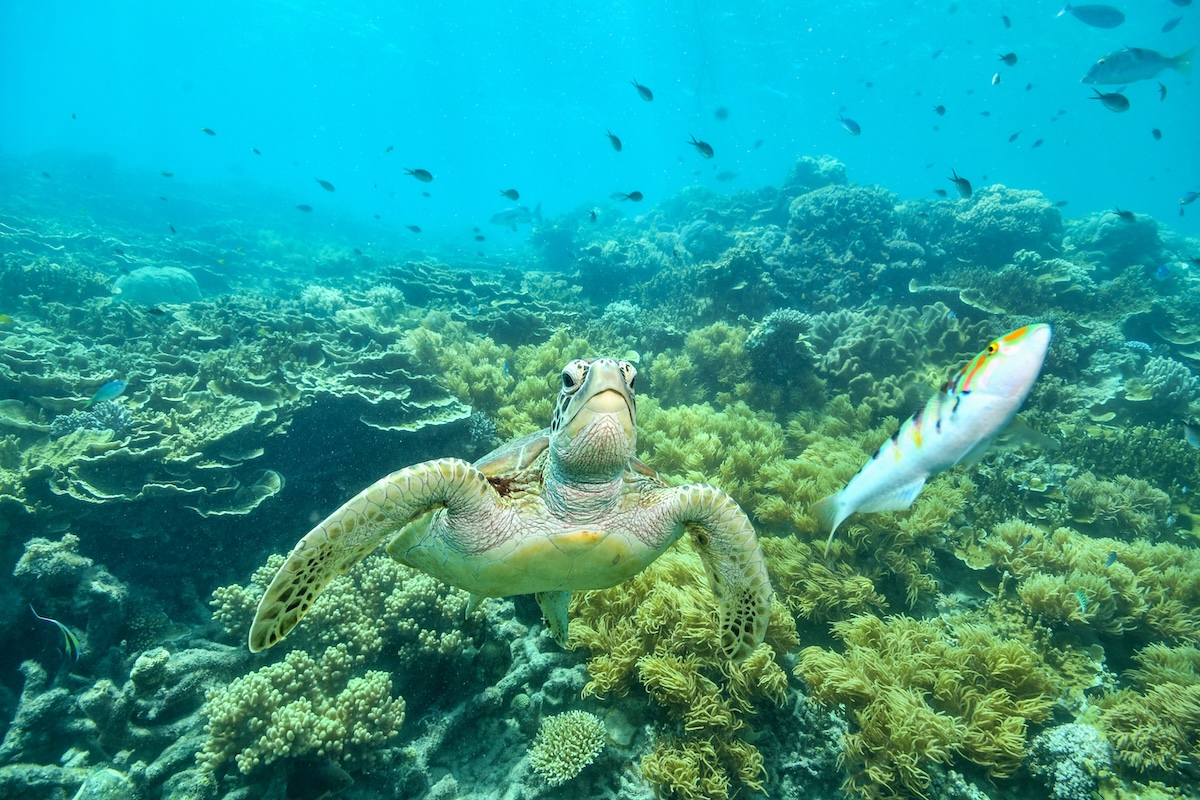
The Great Barrier Reef, off the coast of Queensland in northeastern Australia, is the world’s largest coral reef system and a UNESCO World Heritage Site, stretching over 2,300 kilometers and visible from space. Made up of thousands of individual reefs and hundreds of islands, it teems with marine life, from vivid coral gardens to turtles, rays, reef sharks, and tropical fish.
Gateway towns like Cairns and Port Douglas, plus island resorts in the Whitsundays, launch snorkeling and diving trips, scenic flights, and sailing tours. Highlights include outer-reef pontoons, the Whitsunday Islands, and seasonal encounters with migrating humpback and dwarf minke whales.
The best time to visit is the dry season from June to October, when skies are clear, water visibility is best, and there is no stinger risk; box jellyfish make a stinger suit essential from November to May.
Affiliate placeholder: Compare accommodation options after checking the official property details, location, and cancellation terms.
Affiliate placeholder: Check current activity availability, meeting points, accessibility, and cancellation terms before reserving.
Sources and current planning links
Explore more destinations.ai travel guides when building a longer route.
How to plan a Great Barrier Reef visit
The Great Barrier Reef is a vast World Heritage marine ecosystem off Queensland, Australia, so plan it through a specific gateway, reef site, operator, weather window, and activity rather than as one single attraction. This guide is for the reef and Marine Park, not a city called Great Barrier Reef. The right trip depends on whether you want snorkeling, diving, sailing, island time, wildlife interpretation, or a low-water-access experience.
The Great Barrier Reef Marine Park Authority describes the area as multiple-use, with year-round activities ranging from fishing to snorkeling, diving, and sailing. Use the current Reef Authority guidance, operator briefing, zoning information, marine forecast, and health or accessibility advice before booking. Conditions, moorings, reef sites, wildlife, and departure times are not interchangeable.
What are the best things to do on the Great Barrier Reef?
The best Great Barrier Reef experiences are guided snorkeling or diving, reef interpretation, sailing, island walks, glass-bottom viewing, and a scenic flight when the conditions and operator match your ability. Choose one high-quality reef day over several rushed departures, then keep a weather buffer.
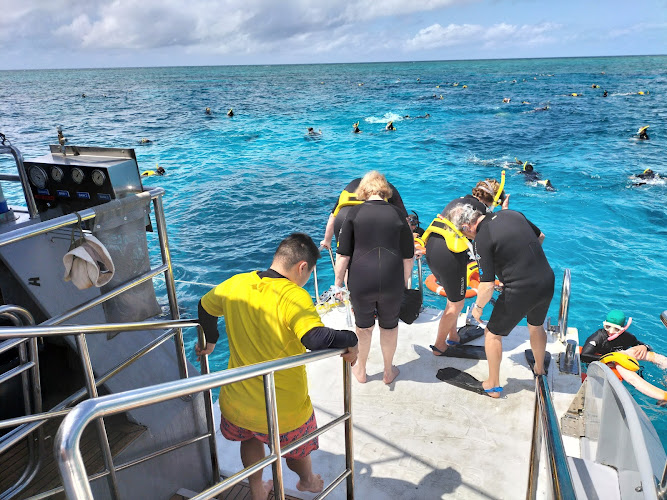
Snorkeling offers a direct view of coral, fish, turtles, and other marine life without requiring dive certification, but comfort in open water matters. Ask about flotation, lifeguards, reef depth, current, shade, stinger protection, rest points, and introductory instruction. Never stand on coral or chase wildlife for a closer photograph.
Scuba and introductory dive trips need an honest health, certification, equipment, and interval check. Tell the operator about medical conditions, medication, anxiety, and mobility needs before paying. Follow the dive leader, stay within limits, and do not fly immediately after diving until you have followed current professional guidance.
A glass-bottom boat, semi-submersible, pontoon, island walk, or scenic flight can be a strong alternative for non-swimmers. Ask what you will actually see, how long you remain on the water, whether seasickness support is available, and what happens if the reef site changes. A qualified Master Reef Guide or marine interpreter can make the living system more intelligible than a list of species.
Which gateway is best for a Great Barrier Reef trip?
Cairns and Port Douglas are common northern gateways, while Townsville, Airlie Beach, the Whitsundays, and other Queensland ports serve different reef and island routes. Choose the gateway from the reef experience you want, not simply from the cheapest flight.
Northern gateways can offer day boats, outer-reef pontoons, island excursions, diving, and flights, but each operator visits a different site. Central and southern gateways may make more sense for island stays, research, or a slower regional itinerary. Check departure harbor, transfer time, sea conditions, travel duration, and return policy.
Ask whether a booking includes hotel transfer, equipment, park fees, meals, reef levy, wetsuit or stinger suit, flotation, and an instructor. Read the cancellation and rescheduling terms, especially if your trip involves a domestic flight or another fixed booking. Keep a buffer day because a weather cancellation is a planning problem, not a personal failure.
How can you visit the reef responsibly?
Visit responsibly by choosing an environmentally accredited operator, listening to the briefing, using moorings, keeping hands and fins off coral, maintaining wildlife distance, and taking every piece of waste back to shore. The Reef Authority’s responsible-visitor guidance should outrank a social-media trick.
Do not feed fish, touch turtles or rays, collect coral or shells, or wear equipment that drags across the reef. Use reef-conscious products according to local operator guidance, but remember that no sunscreen replaces shade, clothing, and good water behavior. Keep noise and group movement under control around wildlife and other divers.
The Marine Park has different zones and rules for different activities. Follow the boat crew, rangers, signs, and current notices, even when an older guide or another visitor suggests a shortcut. Traditional Owners have continuing cultural connections to Sea Country; select guides and materials that recognize that living relationship rather than treating the reef as an unowned playground.
When is the best time to visit the Great Barrier Reef?
Dry-season months are often popular for clearer, calmer reef days, while the wetter season can be warm and green but brings a greater need to check storms, visibility, marine conditions, and local safety notices. The reef is a year-round destination only when the exact sea and weather conditions support the activity.
Water temperature, wind, rain, visibility, marine stingers, and seasonal wildlife all affect comfort. Ask the gateway visitor center and operator about current protective clothing, swimming advisories, jellyfish or crocodile notices where relevant, and cancellation thresholds. Pack a rash layer, sun protection, dry bag, motion-sickness strategy, and warm layer for the return.
Where should you stay for the Great Barrier Reef?
Stay in the gateway town that matches your departure, near the harbor for an early boat, or on an island when you want a slower reef-and-beach stay with fewer daily transfers. Check the exact pickup route because a resort can be close to the coast and still far from the operator’s dock.
Confirm air conditioning, pool and beach safety, breakfast timing, luggage storage, early transfer availability, mobility access, and cancellation terms. If a reef day is the centerpiece, book a room that protects the departure rather than one that saves a small amount but adds a long morning transfer.
Families and travelers with mobility needs should ask about accessible rooms, vehicle lifts, pontoon ramps, boat boarding, flotation, toilets, shade, and the distance between the dock and water. A semi-submersible or island viewpoint may be more enjoyable than forcing a swim plan that does not fit the group.
What should you eat and pack for a reef day?
Eat in the gateway town before or after the boat, and pack only what the operator permits: water, motion-friendly snacks, a light layer, sun protection, medication, and a dry bag. Reef excursions often include food, but menus, dietary handling, and meal timing vary.
Tell the operator about allergies, vegetarian or vegan needs, pregnancy, seasickness, and medication before departure. Confirm whether drinking water, lunch, tea, and snacks are included. Do not bring single-use packaging that can blow overboard, and secure phones, hats, and cameras on deck.
How do you get to the Great Barrier Reef and get around?
Fly or travel to a Queensland gateway such as Cairns, Port Douglas, Townsville, or the Whitsundays, then use the booked boat, scenic flight, shuttle, or local transfer to reach the reef. You cannot plan the reef as a simple road attraction; the water departure is part of the itinerary.
Verify airport-to-hotel and hotel-to-harbor times, baggage limits, check-in deadlines, parking, and the final return. If you are connecting to another flight, leave a generous buffer after a sea trip. Boats can return late because of weather or sea conditions, and a tight same-day connection creates unnecessary risk.
Ask about step-free routes and boarding assistance before booking. Some vessels and pontoons can support a range of needs, but the answer depends on the exact craft, tide, transfer, and water-entry setup. Do not assume that “accessible” means suitable for snorkeling, a ladder, or a small tender boat.
What can families do on the Great Barrier Reef?
Families can choose a calm-water or pontoon experience, glass-bottom viewing, a short supervised snorkel, an island walk, and a marine education program with age-appropriate safety support. The best family day is one where every traveler can participate without pressure.
Confirm minimum ages, child flotation, life jackets, shade, toilets, seasickness support, water-entry ladders, meal timing, and a plan for a child who does not want to swim. Use a buddy system and listen to crew instructions. Keep young children away from rails, vessel edges, and wildlife even when the water looks calm.
How many days do you need for a Great Barrier Reef trip?
Plan three to five days in a Queensland gateway: one reef day, one weather buffer or island day, and time for rainforest, town, or another land-based experience. A single day trip is possible, but it leaves no protection against sea cancellations or poor visibility.
- Day one: Arrive, settle in, check the marine forecast, and confirm the boat or flight meeting point.
- Day two: Take the selected reef trip, follow the briefing, and keep the evening easy after time on the water.
- Day three: Use a weather buffer or choose a gateway, island, rainforest, or cultural activity that does not depend on open-water conditions.
- Extra days: Add a second operator or reef site only after checking that the activity adds something different and your body has recovered.
Is the Great Barrier Reef worth visiting?
The Great Barrier Reef is worth visiting when you want a close look at a living marine ecosystem and are willing to let science, safety, weather, and conservation shape the experience. The best memory may be a quiet snorkel, a guide’s explanation, or seeing how much life exists below an apparently simple surface.
Use the Reef Authority and the exact operator’s current information for zoning, conditions, access, equipment, and responsible-visitor guidance. Choose quality over quantity, protect the reef with every fin stroke, and return to shore with the place intact.
For a longer regional route, compare Sydney, Australia, Melbourne, Australia, Fiji Islands with this destination before finalizing your itinerary.
Frequently asked questions
What is Great Barrier Reef, Queensland best known for?
The Great Barrier Reef, off the coast of Queensland in northeastern Australia, is the world's largest coral reef system and a UNESCO World Heritage Site, stretching over 2,300 kilometers and visible from space. Made up of thousands of individual reefs and hundreds of islands, it teems with marine life, from vivid coral gardens to turtles, rays, reef sharks.
When is the best time to visit Great Barrier Reef?
The best time to visit is the dry season from June to October, when skies are clear, water visibility is best, and there is no stinger risk; box jellyfish make a stinger suit essential from November to May.
How many days should you spend in Great Barrier Reef?
Plan about 3 days for a first visit, then add time if you want to explore beyond the central sights.
How should you get around Great Barrier Reef?
How do you get to the Great Barrier Reef and get around?
What should you book ahead in Great Barrier Reef?
Use the current Reef Authority guidance, operator briefing, zoning information, marine forecast, and health or accessibility advice before booking.
Explore Great Barrier Reef by Category: Discover top curated spots across Great Barrier Reef Attractions & Sightseeing, Best Places to Stay in Great Barrier Reef, Great Barrier Reef Restaurants & Dining.