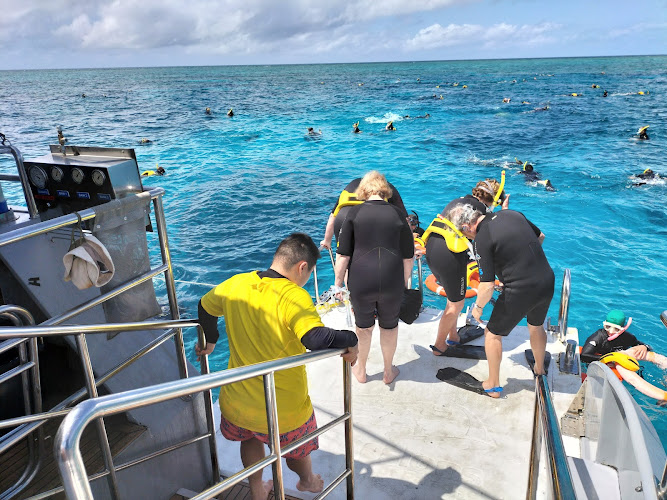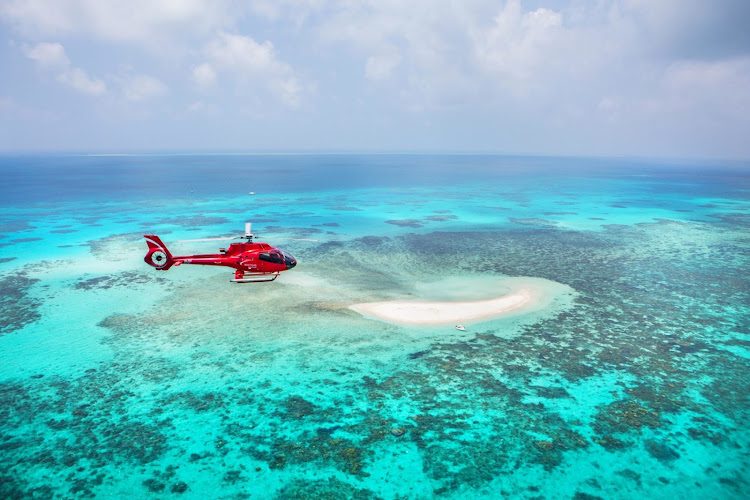
Coastal Waters Of Great Barrier Reefs is an offshore Great Barrier Reef Marine Park location at approximately 21.885781°S, 151.700565°E in the Coral Sea, off Queensland’s central coast and reached by boat or liveaboard rather than from a street address. Part of the world’s largest coral-reef system, this open-water destination draws qualified divers, snorkellers and nature-focused travelers for coral formations, reef fish, pelagic encounters and the scale of the protected marine environment.
What to Expect at Coastal Waters Of Great Barrier Reefs
This is not a staffed beach, pontoon or single attraction with a ticket desk: it is a remote marine setting within the Great Barrier Reef Marine Park. Conditions, visibility and the exact reef visited depend on the licensed vessel, weather, tides and marine-park zoning. Trips commonly combine snorkelling over shallow reef with scuba dives on reef slopes and bommies, where hard corals, soft corals, schools of reef fish and larger visitors such as turtles may be encountered. Keep wildlife at a respectful distance and never stand on or touch coral.
The Great Barrier Reef extends for more than 2,300 kilometres along Queensland and contains more than 2,900 individual reefs and about 900 islands. Its reef-building corals create a complex habitat rather than a uniform underwater landscape: look for branching and plate-like coral structures, sheltered fish-filled pockets and the sudden drop from shallow water to blue-water reef edge. Humpback whales pass through many central and southern reef waters in the winter migration season, generally from June to November; sightings are never assured.
- Remote reef immersion: A boat-access experience far from urban waterfront facilities, with the journey itself forming a substantial part of the day or overnight itinerary.
- Coral gardens: Shallow reef areas can reveal hard-coral structures, soft coral and small reef fish during guided snorkel sessions.
- Scuba diving: Certified divers can explore deeper reef contours and bommies with a licensed operator following marine-park rules.
- Marine wildlife: Turtles, rays and seasonal migratory whales are possible encounters; observe without chasing, feeding or touching animals.
- Protected seascape: Marine-park zoning governs activities, anchoring and fishing, helping safeguard reef habitat across an immense World Heritage area.
Coastal Waters Of Great Barrier Reefs at a Glance
| Detail | Information |
|---|---|
| Address | Coral Sea, Queensland, Australia; approximate location 21.885781°S, 151.700565°E |
| Neighborhood / Area | Offshore central Queensland, within the Great Barrier Reef Marine Park |
| Operating Hours | Open water; vessel departures, dive schedules and access are set by licensed operators and weather conditions |
| Admission / Price Range | No standalone admission gate; paid boat and dive excursions are typically $$$, with operator pricing varying by departure point and inclusions |
| Recommended Visit Duration | Full day for a boat excursion; 2 to 4 days for a liveaboard itinerary |
| Nearest Transit / Parking | No public transit or parking at the reef. Arrange an operator transfer from its nominated Queensland marina; marina parking is operator- or port-managed. |
| Official Website & Phone | Great Barrier Reef Marine Park Authority; +61 7 4750 0700 |
Visiting Tips, Getting There & Nearby Pairings
Book with a licensed Great Barrier Reef Marine Park operator well ahead in school-holiday periods and during calm-season demand. Confirm the departure marina, transit time, minimum certification requirements, medical forms, snorkel equipment, meals, seasickness policy and weather cancellation terms before paying. Early departures are normal, and the calmest sea conditions are often found in the morning. Bring reef-safe sun protection, a long-sleeve rash shirt, drinking water and a secured dry bag; a wetsuit adds warmth and sun protection even in tropical conditions.
There is no road, boardwalk, public restroom, café or walkable landmark at this offshore coordinate. Access is by boat, and physical access depends on each vessel’s gangway, deck layout, ladder and crew-assistance policy; many reef entries use a stern ladder and are not step-free. Travelers with limited mobility, non-swimmers, families with young children or guests prone to motion sickness should select an operator that can meet their needs before booking. Pair a reef voyage with the departure town’s marina precinct and coastal foreshore, rather than expecting nearby land attractions at the reef itself.
Frequently Asked Questions
When is the best time to visit Coastal Waters Of Great Barrier Reefs?
The water itself has no opening hours, but visits follow scheduled boat departures and weather conditions. Book an early-morning departure for the fullest time on the reef, and allow flexibility for wind or sea-state changes. Winter through spring can bring clearer, cooler conditions, while summer water is warmer but tropical weather requires close attention.
Is there an admission fee or do I need a reservation?
There is no walk-up admission point at this marine location. You need to reserve a paid transfer, day boat or liveaboard through a licensed operator; dive packages, equipment hire, environmental charges and meals may be priced separately. Expect a $$$ outing because of the offshore vessel logistics.
How much time should I allow for a reef visit?
Allow a full day for a day-trip itinerary, including marina check-in, sailing time, safety briefings and water sessions. Travelers seeking multiple dive sites, night dives or a more relaxed surface interval should choose a 2- to 4-day liveaboard. Do not schedule a flight immediately after scuba diving; follow your dive operator’s no-fly guidance.
Is the reef suitable for families and travelers with limited mobility?
Confident swimming families may enjoy guided snorkelling when sea conditions are suitable, but children’s age rules vary by operator. Wheelchair and reduced-mobility access is limited by boat boarding and ladder-based water entry, so request exact vessel specifications and assistance arrangements in advance. Life jackets and flotation aids can support snorkellers, but do not replace operator safety instructions.
Travelers exploring Great Barrier Reef often pair this stop with nearby highlights including Heart Reef and Agnes Water Museum.