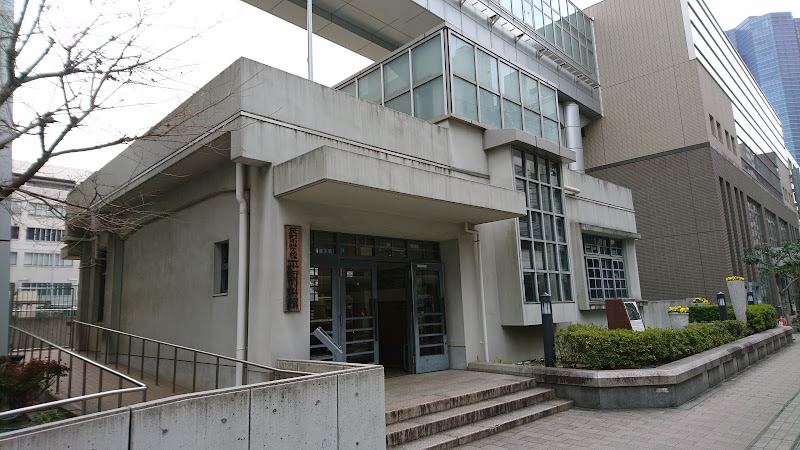
Japan Maritime Self-Defense Force (JMSDF) Kure Museum is a free naval museum at 5-32 Takaramachi, Kure, Hiroshima 737-0029, in the waterfront district southwest of Kure Station. Opened in 2007 and nicknamed Tetsu no Kujira-kan, or “Iron Whale Museum,” it explains Japan’s postwar minesweeping and submarine operations. Its defining attraction is Akishio, a retired submarine displayed ashore that visitors can enter to see working spaces and cramped accommodation.
What to Expect at Japan Maritime Self-Defense Force (JMSDF) Kure Museum
The museum’s three floors build a useful sequence: JMSDF history on the first floor, minesweeping on the second, and submarine operations on the third. Start downstairs rather than heading straight for Akishio. Mine displays and clearance equipment explain the dangerous work of reopening Japanese shipping routes after World War II, followed by later overseas operations, including the 1991 Persian Gulf deployment. Cutaway displays make an unfamiliar subject understandable without specialist naval knowledge.
On the third floor, submarine exhibits introduce buoyancy, underwater operations, and life aboard before the route leads into Akishio. This Yūshio-class diesel-electric submarine entered service in 1986 and retired in 2004; its approximately 76-meter hull dominates the waterfront streetscape. Inside, bunks, the commanding officer’s accommodation, and the control room reveal how tightly people and machinery shared space. Finish at the museum shop and café, where Akishio curry connects the visit with Kure’s naval-food tradition; availability is limited.
- Akishio’s exterior: Walk around the enormous land-mounted hull to appreciate its scale before boarding.
- Minesweeping gallery: Examine mine shapes and clearance equipment, with context on Japan’s postwar maritime recovery.
- Submarine control room: See the instruments and operating positions within the preserved vessel.
- Crew living spaces: Compare compact sleeping arrangements with the commanding officer’s separate accommodation.
- Akishio curry: Look for the café’s submarine-associated curry, a fitting introduction to Kure’s naval curry culture.
Japan Maritime Self-Defense Force (JMSDF) Kure Museum at a Glance
| Detail | Information |
|---|---|
| Address | 5-32 Takaramachi, Kure, Hiroshima 737-0029, Japan |
| Neighborhood / Area | Takaramachi waterfront, beside the Yamato Museum |
| Operating Hours | Monday and Wednesday–Sunday, 10:00–18:00; Tuesday closed. Check holiday and year-end arrangements before traveling. |
| Admission / Price Range | Free museum and submarine admission; optional café and shop purchases ($) |
| Recommended Visit Duration | 60–90 minutes |
| Nearest Transit / Parking | JR Kure Station, Kure Line, approximately 5–10 minutes on foot; use nearby paid waterfront parking, including Yamato Museum parking. |
| Official Website & Phone | Official museum website; +81 823-21-6111 |
Visiting Tips, Getting There & Nearby Pairings
Arrive near opening on a weekday for a less congested submarine walkthrough; narrow passages make queues more noticeable than in the galleries. Independent visitors do not need a paid ticket or timed-entry purchase. Allow time for the exhibits before boarding, and follow staff instructions inside the vessel. Travel light: bulky bags complicate the tight interior, so ask staff about storage before entering. Observe posted photography restrictions, particularly around equipment, and do not assume flash or tripods are acceptable. The exhibits support a self-guided visit; ask at reception about available explanations or staff assistance.
From JR Kure Station, follow signs toward the Yamato Museum and waterfront, using the pedestrian connections through the station-side shopping area. Drivers should use paid public parking rather than expect dedicated free museum parking. The museum building has elevators, but Akishio’s narrow doorways, raised thresholds, and confined circulation do not provide an equivalent wheelchair-accessible experience; discuss boarding with staff before queuing. Pair the visit with the adjacent Yamato Museum, checking its opening calendar separately, then walk to Yamato Wharf for harbor views. Kure Central Pier, roughly 5–10 minutes away, adds ferry-watching and a closer look at the working port.
Frequently Asked Questions
What are the opening hours and best time to visit?
Regular hours are 10:00–18:00, with Tuesday closure. Aim for a weekday opening and check the official calendar for holiday substitutions, year-end closures, or changes to submarine access.
Is admission free, and do I need a reservation?
Admission to the museum and Akishio is free, and ordinary individual visits do not require advance reservations. Café meals and souvenirs cost extra; groups should contact the museum about arrangements.
How much time should I allow?
Budget 60–90 minutes for all three floors and the submarine. Allow closer to two hours if you read exhibits carefully, stop for curry, or encounter a boarding queue.
Is the museum suitable for children and wheelchair users?
The galleries are suitable for families, and elevators connect the museum floors. The submarine is substantially more restrictive: supervise children around thresholds, and wheelchair users should plan primarily around the accessible museum galleries.
When planning your Hiroshima travel guide or browsing verified attractions in Hiroshima, pair this stop with standout local spots including Okonomi mura Suigun, Sheraton Grand Hiroshima Hotel, Okonomiyaki Junior, and Yamato Museum (Kure Maritime Museum) (0.1 km away).