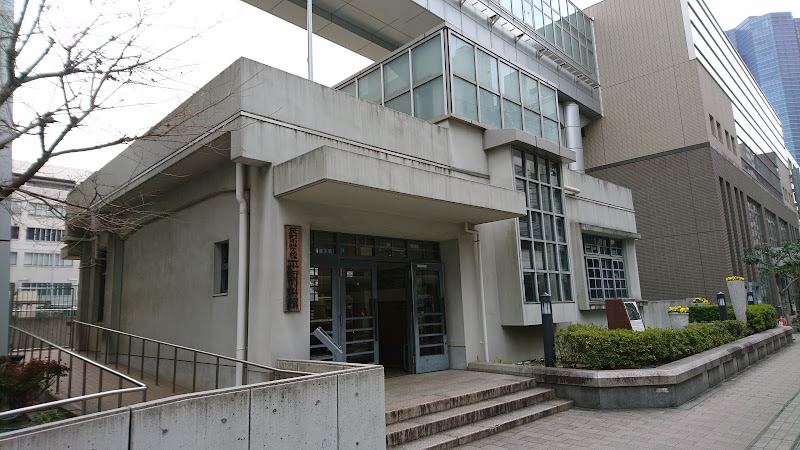
Fukuromachi Elementary School Peace Museum (袋町小学校平和資料館) is a small municipal museum at 6-36 Fukuromachi, Naka Ward, Hiroshima, set in the surviving west wing of a school that stood about 460 meters from the hypocenter of the atomic bomb on August 6, 1945. The original school, founded in the Meiji era, was one of Hiroshima’s first reinforced-concrete elementary buildings, and its sturdy construction is why part of it endured. Travelers come for the handwritten messages, photographs and personal objects that make the bombing’s human cost immediate in a way larger institutions rarely achieve.
What to Expect at Fukuromachi Elementary School Peace Museum
The building did double duty in 1945. It was a school, and it served as a first-aid station, with the dead and wounded laid out in its rooms and corridors. In the days after the blast, survivors used the blackened walls to search for each other, scrawling names, addresses and notes in chalk and charcoal. Those inscriptions were plastered over after the war and rediscovered during renovation work in 1999, when staff found the wall messages beneath the layers. They were carefully preserved and now form the heart of the museum.
The galleries are compact and quiet, rewarding a slow pace rather than a quick walkthrough. Wall panels, photographs and everyday objects recovered from the school trace the school’s history, the day of the bombing and the weeks of recovery that followed. The scale is intimate, which gives the individual stories real weight. Visitors who have already seen the Peace Memorial Museum often find this site the more personal of the two, because it focuses on one community of students and teachers.
- Wall messages: Chalk and charcoal notes written by survivors seeking missing family members, uncovered in 1999 and conserved in place.
- Preserved west wing: A surviving section of the original reinforced-concrete school, which now holds the museum itself.
- First-aid station history: Panels and photographs showing how classrooms became emergency treatment rooms in August 1945.
- Personal artifacts: Everyday objects and belongings connected to the school and its students.
- Reconstructed school story: Photographs tracing the school’s life before and after the bombing, including its postwar rebuilding as a working elementary school.
Fukuromachi Elementary School Peace Museum at a Glance
| Detail | Information |
|---|---|
| Address | 6-36 Fukuromachi, Naka Ward, Hiroshima, 730-0036, Japan |
| Neighborhood / Area | Fukuromachi, central Hiroshima, near the Hondori shopping arcade and Peace Boulevard |
| Operating Hours | 9:00 AM to 5:00 PM, Monday through Sunday |
| Admission / Price Range | Admission is free; the museum is run by the city as part of the working school campus |
| Recommended Visit Duration | 30 to 45 minutes |
| Nearest Transit / Parking | Hiroden streetcar to Hondori or Fukuromachi stops; limited parking, public transit strongly recommended |
| Official Website & Phone | Official museum page; +81 82-541-5345 |
Visiting Tips, Getting There & Nearby Pairings
The museum sits on the grounds of an active elementary school, so arrive with respect for the setting. Keep voices low, follow any signage at the entrance and avoid visiting at moments when children are arriving or leaving. Weekday mornings tend to be quietest. The Hiroden streetcar is the most convenient way to reach the area; the stops at Hondori and Fukuromachi are each within a few minutes’ walk. Parking is limited around the school, and central Hiroshima is easy to navigate by tram, bus or on foot.
Because the compact exhibits are on a school campus with older building features, confirm step-free access with the museum by phone before a wheelchair or stroller visit. Pair the visit with the Hiroshima Peace Memorial Museum and Peace Memorial Park, both a short walk away, or follow it with a stroll through the Hondori covered arcade for lunch and coffee. The Atomic Bomb Dome is also within comfortable walking distance, making this stop easy to combine into a half-day itinerary of remembrance sites.
Frequently Asked Questions
What are the opening hours and best time to visit?
The museum is open daily from 9:00 AM to 5:00 PM. Weekday mornings are generally calmest, and visiting outside school drop-off and pickup times helps preserve a quiet atmosphere on the campus.
Is there an admission fee or ticket requirement?
Admission is free and no advance booking is required for individual visitors. Groups and school tours should contact the museum at +81 82-541-5345 or check the official museum page before arriving.
How much time should I plan for the visit?
Plan 30 to 45 minutes for a thoughtful visit. The galleries are small, but the wall messages and photographs reward unhurried reading, especially if you want to absorb the written context.
Is the museum suitable for families and is it accessible?
Older children and teenagers often find the school setting especially affecting, though the subject matter is sobering for very young visitors. As the building is part of a historic school structure, call ahead to confirm current step-free access and restroom arrangements.
When planning your Hiroshima travel guide or comparing verified attractions and museums in Hiroshima, pair this stop with standout local spots including Fukuromachi Park, Hiroshima City Museum of History and Traditional Crafts, Yamato Museum (Kure Maritime Museum), and Rai Sanyo Historical Site Museum (nearby).