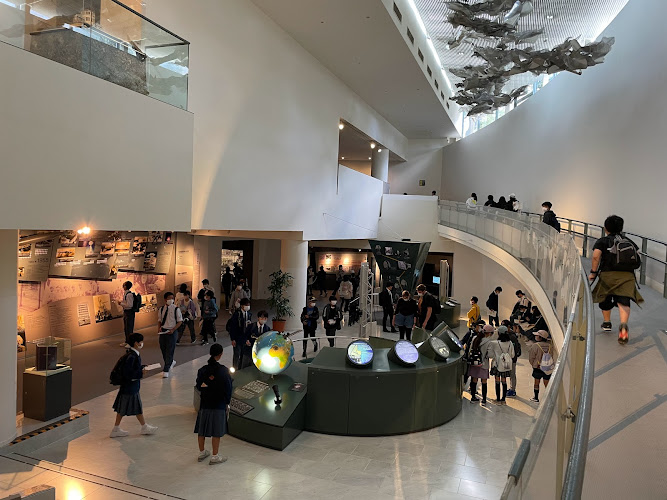
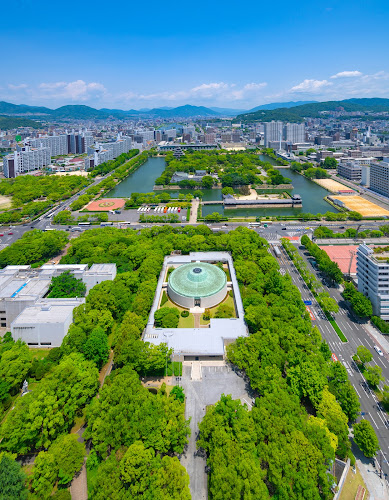
Schmoe House is a small local history museum at 1 Chome-2-43 Ebanihonmatsu, Naka Ward, Hiroshima, in the Eba district just southwest of the city center. It is named for Floyd Schmoe, the American Quaker peace activist who came to Hiroshima in 1949 and led volunteers in building houses for atomic bomb survivors. The house preserves the story of that rebuilding effort alongside artifacts that explain how ordinary residents lived through the postwar years. Travelers come for a quiet, human-scale counterpart to the larger memorial sites.
What to Expect at Schmoe House
The museum is a modest building rather than a sprawling institution, and that is its appeal. Floyd Schmoe, a Seattle Quaker, organized the Houses for Hiroshima project after visiting the ruined city, recruiting American and Japanese volunteers to construct homes for families who had lost everything. The exhibits focus on that collaboration, using preserved objects, documents, and photographs to connect the building’s origins to wider Hiroshima history. Expect a contemplative visit built around reading, looking closely, and absorbing individual stories.
Interpretation is largely in Japanese, so visitors who read little Japanese may want to arrive with a translation app or with context gathered beforehand from the Hiroshima Peace Memorial Museum, whose own site (hpmmuseum.jp) carries information on the Schmoe House. The quiet residential setting makes it a good counterweight to the heavier atmosphere of the Peace Memorial Park galleries, and the scale means conversation with staff, where available, adds real value.
- Floyd Schmoe’s Houses for Hiroshima: The founding story of the volunteer housing project that built homes for atomic bomb survivors beginning in 1949.
- Preserved local artifacts: Household objects and documents that illustrate everyday life in Hiroshima before and after August 6, 1945.
- Postwar rebuilding narrative: Exhibits tracing how residents and international volunteers worked to restore the city’s housing.
- Quaker peace tradition: Context on the pacifist convictions that led Schmoe to act in Hiroshima, and the reconciliation that followed.
- A genuine neighborhood setting: A residential Eba location that shows Hiroshima beyond the main memorial corridor.
Schmoe House at a Glance
| Detail | Information |
|---|---|
| Address | 1 Chome-2-43 Ebanihonmatsu, Naka Ward, Hiroshima 730-0834, Japan |
| Neighborhood / Area | Eba, Naka Ward |
| Operating Hours | Tuesday to Sunday 9:00 AM to 5:00 PM; closed Monday |
| Admission / Price Range | Confirm current admission with the official site; small local museums in Hiroshima are typically low-cost ($) |
| Recommended Visit Duration | 30 to 60 minutes |
| Nearest Transit / Parking | Hiroden streetcar and local bus service in the Eba area; limited parking, so public transit is advised |
| Official Website & Phone | hpmmuseum.jp information page; +81 82-241-4004 |
Visiting Tips, Getting There & Nearby Pairings
The house keeps regular daytime hours from 9:00 AM to 5:00 PM and is closed Mondays, so plan around that. Aim for a weekday morning when the site is calmest and any staff can spend time with you. Because the building is small, large groups may need to coordinate ahead; call +81 82-241-4004 or consult the official website before making a special trip. Getting here by Hiroden streetcar or local bus from central Hiroshima is straightforward, and the Eba streets are easy to navigate on foot.
Accessibility details are not widely published for this property, and older residential buildings in Japan can include thresholds, steps, or narrow interior passages, so travelers using wheelchairs or strollers should phone ahead. Pair the visit with the Hiroshima Peace Memorial Park and Museum, reachable by streetcar in roughly 15 to 20 minutes, and consider the nearby Hiroshima Castle grounds for a lighter stop. A walk along the Eba neighborhood’s quiet streets rounds out a half day focused on the human side of Hiroshima’s story.
Frequently Asked Questions
What are the opening hours and best time to visit Schmoe House?
Schmoe House is open Tuesday through Sunday from 9:00 AM to 5:00 PM and closed on Mondays. Weekday mornings are typically the quietest and best for unhurried viewing.
How much does it cost to visit?
Current ticket pricing is not listed here, so check the official website or call +81 82-241-4004. Small local history museums in Hiroshima generally sit in the lowest price tier.
How long should I plan to spend at Schmoe House?
Budget 30 to 60 minutes. Add extra time if you want to read the exhibits carefully or combine the stop with the Peace Memorial Park later in the day.
Is Schmoe House accessible and suitable for visitors with limited Japanese?
Interpretation is mostly in Japanese, so a translation app helps, and step-free access is not confirmed, so call ahead if you use a wheelchair or stroller. Quiet, respectful behavior is expected given the subject matter, and the content suits older children and adults best.
When planning your Hiroshima travel guide or comparing verified attractions and local history museum in Hiroshima, pair this stop with standout local spots including RIVER SUITES HIROSHIMA, Hiroshima Castle, Hiroshima National Peace Memorial Hall, and Teppen (2.7 km away).