Istanbul Archaeological Museums is a three-museum archaeology complex at Cankurtaran Mahallesi, Osman Hamdi Bey Yokuşu, 34122 Fatih, İstanbul, Turkey, beside Gülhane Park and Topkapı Palace. Its main museum opened in 1891 under archaeologist and painter Osman Hamdi Bey, building on the Ottoman Imperial Museum established earlier. Travelers come for the Alexander Sarcophagus, exceptional ancient sculpture, and collections connecting Anatolia with Mesopotamia, the eastern Mediterranean, and the wider former Ottoman territories.
What to Expect at Istanbul Archaeological Museums
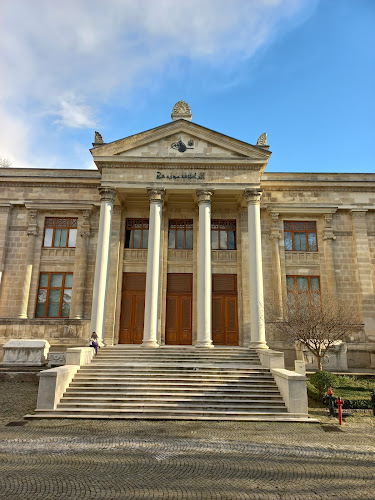
Start in Alexandre Vallaury’s neoclassical Archaeological Museum, whose columned façade gives way to galleries of monumental stonework. The outstanding Sidon royal necropolis finds came from Osman Hamdi Bey’s 1887 excavations in present-day Lebanon. Their centerpiece, the late-fourth-century BCE Alexander Sarcophagus, depicts battle and hunting scenes with traces of original pigment. Despite its name, it was not Alexander the Great’s coffin. Walk around it rather than viewing only the front: the carved horses, clothing, and overlapping figures reward close inspection.
The other buildings extend the story beyond classical sculpture. The Museum of the Ancient Orient occupies a former fine-arts school and houses collections from Mesopotamia, Egypt, and pre-Islamic Arabia, including Babylonian glazed-brick animals and a cuneiform version of the Treaty of Kadesh. Mehmed II’s Tiled Kiosk, dated 1472, is an early Ottoman pleasure pavilion with a tiled entrance and collections of Seljuk and Ottoman ceramics. Building and gallery access can change during restoration; check availability before planning around these two collections.
- Alexander Sarcophagus: Look for Alexander’s lion-skin headdress and surviving color on the exceptionally detailed marble reliefs.
- Sarcophagus of the Mourning Women: Draped female figures stand between Ionic columns, turning the tomb into a miniature architectural monument.
- Lycian Sarcophagus: This Sidon find combines a distinctive ogival lid with reliefs of hunting and mythological creatures.
- Tiled Kiosk: Its turquoise decoration and columned portico are architectural highlights, separate from the ceramics displayed inside.
- Garden antiquities: Columns, capitals, and other stone fragments make the courtyard an outdoor extension of the collections.
Istanbul Archaeological Museums at a Glance
| Detail | Information |
|---|---|
| Address | Cankurtaran Mahallesi, Osman Hamdi Bey Yokuşu, 34122 Fatih, İstanbul, Turkey |
| Neighborhood / Area | Historic peninsula; between Gülhane Park and Topkapı Palace |
| Operating Hours | Listed daily, 9am–8pm; check seasonal hours and ticket-office closing time before visiting. |
| Admission & Ticket Prices | Paid admission; consult the official e-ticket portal for current prices. Museum Pass Istanbul includes the museum. |
| Recommended Visit Duration | 2–3 hours; longer for all three buildings when accessible |
| Nearest Transit / Parking | T1 tram: Gülhane, approximately 5–10 minutes uphill on foot. Public transport is preferable to driving. |
| Official Website / Phone | Ministry museum page; +90 212 520 77 40 |
Visiting Tips, Getting There & Nearby Pairings
Arrive near opening for an unhurried first look at the sarcophagi before larger groups circulate. Avoid relying on a late-afternoon arrival unless you have checked that day’s closing time. Use the official ticket portal rather than assuming a reseller’s guided-tour price is the entrance fee. From Gülhane tram stop, follow signs toward the museums and Osman Hamdi Bey Yokuşu. The final approach slopes uphill; parking in the surrounding historic streets is limited, and a taxi may still leave a short walk.
Wheelchair users and families with strollers should account for sloping approaches, uneven exterior paving, and separate historic buildings rather than one continuous level route. Ask entrance staff for the current step-free route and lift access before choosing galleries; do not assume the Tiled Kiosk has the same access arrangements as the main museum. Pair the visit with Topkapı Palace, roughly 5–10 minutes away, Gülhane Park immediately downhill, or the cafés around Sirkeci, approximately 10–15 minutes away. Topkapı requires separate admission.
Frequently Asked Questions
What are the hours and best time to visit?
The listed schedule is 9am–8pm daily, but seasonal hours and last admission can differ. Aim for opening and verify the schedule on the official website.
How much are tickets, and should I book?
Admission is paid, with current rates available through the Ministry’s e-ticket portal. Advance purchase is convenient; Museum Pass Istanbul holders should check validity and entry conditions before buying another ticket.
How much time should I allow?
Allow 2–3 hours for a substantial visit. With only 90 minutes, prioritize the Sidon sarcophagi and main sculpture galleries rather than rushing between buildings.
Is it suitable for children and wheelchair users?
Children can focus on carved animals and mythological scenes. Wheelchair access requires planning around slopes, paving, and differing building access; contact the museum about your intended route before arrival.
When planning your Istanbul travel guide or comparing verified attractions and museums in Istanbul, pair this stop with standout local spots including Ciragan Palace Kempinski, Pleasure Terrace Roof Restaurant in Istanbul, Istanbul Aviation Museum, and Topkapi Palace Museum (0.2 km away).