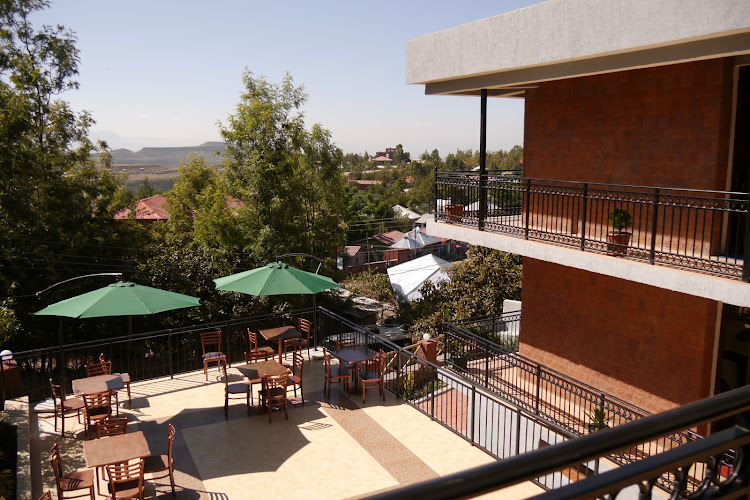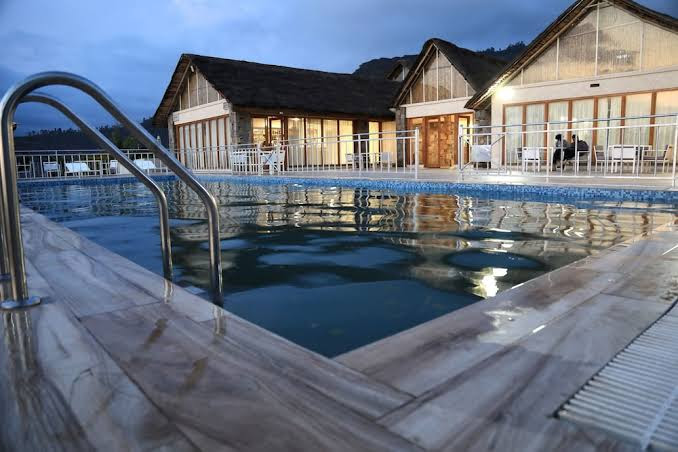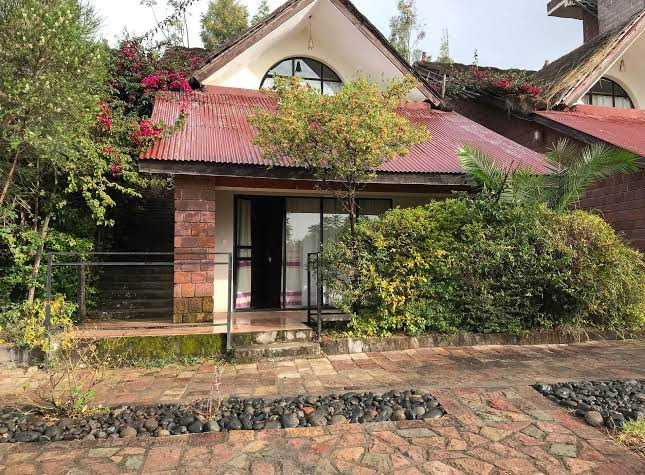
Lalibela Lodge is a practical lodging base in Shimbirma, within Ethiopia’s highland town of Lalibela, where the landscape and daily rhythm are inseparable from the medieval rock-hewn churches. This is a stay chosen primarily for access to one of Africa’s most extraordinary sacred heritage destinations: an active Ethiopian Orthodox pilgrimage town rather than a purpose-built resort enclave.
Lalibela sits at roughly 2,500 metres above sea level, and that elevation shapes a visit. Cool evenings, bright highland light and uphill lanes can make the first day feel more demanding than expected. Use the lodge as a place to rest between church visits, meals and unhurried time absorbing a town where worship, clergy, pilgrims and visitors share the same compact setting.
Standout Highlights & What Not to Miss
The central reason to stay in Lalibela is the UNESCO-listed group of 11 rock-hewn churches, created during the reign traditionally associated with King Lalibela around the late 12th and early 13th centuries. They are not a single monument with a standard museum flow: churches are spread across connected sacred precincts, many cut below ground level, and remain places of prayer and ceremony. Build in time for both the celebrated landmarks and the changing atmosphere of the town around them.
- Biete Giyorgis: The freestanding, cross-shaped church cut into a deep excavation is Lalibela’s defining image. Its setting rewards a patient look from above before descending toward the entrance.
- Biete Medhani Alem: Seek out the monumental colonnaded exterior, one of the strongest introductions to the scale and ambition of the church complex.
- Biete Maryam: Allow time to notice the carved and painted interior details rather than treating it as a quick checklist stop.
- Biete Amanuel: Look closely at its architecture, often noted for details recalling Aksumite building traditions.
- Living religious culture: Priests, pilgrims, chanting and services can be as memorable as the stonework. Dress and behave respectfully, and accept that worship may shape access and pace.
Visitor Strategy & Planning Snapshot
| Planning Factor | What to Expect | Practical Strategy |
|---|---|---|
| Ideal Arrival Window | Morning light and cooler temperatures can make the first church circuit more comfortable; religious activity can alter the feel of the sites. | Start early after giving yourself time to adjust to the altitude, and leave room to return to a favorite church later. |
| Typical Time Needed | Most travelers use a Lalibela base for two to three nights, with more than one church visit rather than a single rushed circuit. | Plan at least two unhurried sightseeing periods and keep one flexible for rest, weather or a service. |
| Booking / Queue Reality | Church access is shaped by active religious use, while lodging arrangements can vary by room and season. | Contact the property directly before committing; confirm bed setup, bathroom arrangement, meals, hot water and power-backup expectations. |
| Terrain & Accessibility | Church routes can involve uneven rock, steep steps and narrow passages; lodge entrance and room access may also require steps. | Ask specifically about entrance, bedroom and bathroom access, and wear footwear with dependable grip for sightseeing. |
| Weather / Seasonal Fit | The highland setting can bring cool evenings and strong daytime sun, while rain can make stone paths more demanding. | Pack layers, sun protection and a light rain layer; keep the first afternoon gentle if arriving from lower elevations. |
Honest Trade-Offs: Best For vs. Who Might Skip
Lalibela Lodge makes most sense for church architecture enthusiasts, Ethiopian heritage travelers, pilgrimage visitors and independent travelers who want their accommodation to support a culture-first itinerary. The reward is proximity to a town of exceptional historical and spiritual depth, plus the freedom to pace visits around energy levels and religious life. It is less suitable for travelers seeking a self-contained luxury retreat, guaranteed resort-style facilities or effortless step-free exploration. The destination itself asks for flexibility: services may run on local rhythms, terrain is physically demanding and the most meaningful experiences are often quiet, reverent and unscripted. Before booking, clarify the room details that matter to you rather than assuming a standardized hotel experience.
Neighborhood Context & How to Pair Your Visit
Shimbirma works as a useful base for exploring Lalibela on foot where conditions and personal mobility allow, though distances, gradients and route surfaces deserve realistic planning. Structure a day around one church cluster, a break back at the lodge or in town, then a second outing when energy permits. Pair landmark visits with slower observation: look for devotional activity, listen for chanting, and pause over the ways carved stone, paths and settlement fit the surrounding highland terrain. A two- or three-night stay also gives space to avoid reducing the churches to photographs. Confirm local guidance on current access, respectful attire and any restrictions before setting out, especially if you hope to visit during a service or religious occasion.
When planning your Lalibela travel guide or browsing verified hotels in Lalibela, pair this stop with standout local spots including Tabor Hotel Lalibela, Lalibela Museum, Elfigne Ecolodge, and Lalibela (0.1 km away).