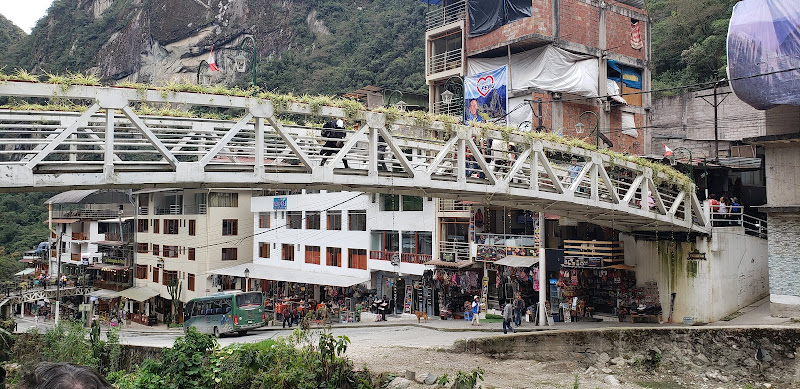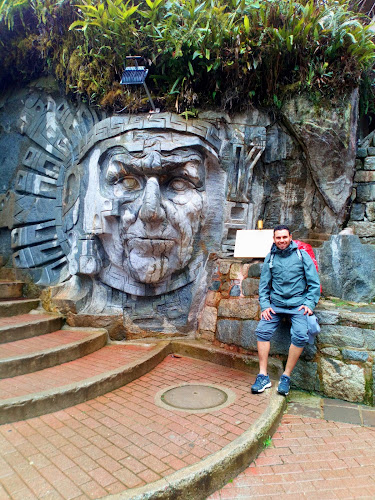
Monumento Tupac Amaru is an open-air civic memorial on Avenida Pachacutec in central Aguas Calientes, also known as Machupicchu Pueblo. It is a quick but meaningful streetside stop rather than a conventional museum: there are no enclosed galleries to tour, and the experience is centered on looking closely at the monument, reading its setting within the town, and reflecting on the figure it commemorates.
The memorial honors José Gabriel Condorcanqui, better known as Túpac Amaru II, whose 1780–1781 uprising against Spanish colonial rule remains a defining reference point in Peruvian historical memory. In a town where most itineraries revolve around trains, buses, hotels, and the journey to Machu Picchu, this monument offers a compact connection to the wider Indigenous and colonial history of the Cusco region.
Standout Highlights & What Not to Miss
Approach this as a short cultural pause built into a walk through town, not as a destination requiring a separate half-day. Its value lies in context: the monument adds a human and political layer to an Aguas Calientes visit, especially for travelers who want to look beyond Machu Picchu’s archaeological site and consider the history of the Andes after the Inca period.
- A tribute to Túpac Amaru II: Use the stop to recall the Indigenous leader whose rebellion against Spanish authorities began in 1780 and was violently suppressed the following year.
- An open-air civic setting: This is a public monument encountered from the street, not a ticketed museum with exhibits, artifacts, or audiovisual interpretation.
- Avenida Pachacutec atmosphere: The location places the memorial within the everyday flow of central Aguas Calientes, amid the commercial avenue used by visitors and residents.
- An easy photo-and-pause stop: Allow time to view the sculpture from more than one angle, take a photograph without blocking pedestrians, and notice how the monument sits within the townscape.
- A useful historical counterpoint: Pair it mentally with the region’s pre-Hispanic heritage at Machu Picchu; together, they point to very different chapters of Andean history.
Visitor Strategy & Planning Snapshot
| Planning Factor | What to Expect | Practical Strategy |
|---|---|---|
| Ideal Arrival Window | It is best seen during an unhurried walk through central town, when you can safely step aside from passing foot traffic. | Build it into your route between the rail area, Plaza Manco Cápac, lodging, or a meal rather than making a special trip. |
| Typical Time Needed | Most visitors need about 10 to 20 minutes for viewing, photographs, and a brief historical pause. | Keep the visit flexible; it works well before dinner, after arrival, or while waiting for another activity. |
| Booking / Queue Reality | As a public outdoor memorial, it is self-guided rather than a timed, ticketed attraction. | No formal museum-style visit is needed, but leave room on the sidewalk and avoid stopping in the main pedestrian flow. |
| Terrain & Accessibility | The memorial is visible from street level without stairs, though nearby sidewalks can be narrow, uneven, and crowded. | Travel slowly, watch for changing pavement and luggage traffic, and choose a clear vantage point before taking photos. |
| Weather / Seasonal Fit | Because the monument is outdoors, rain and strong sun shape the comfort of the stop. | Carry rain protection in wet conditions and make this a brief stop if weather is poor; it is easy to revisit while in town. |
Honest Trade-Offs: Best For vs. Who Might Skip
This is best for history-minded travelers, solo visitors looking for a purposeful walk, families who want a concise cultural talking point, and first-time visitors seeking a fuller sense of place. It is especially rewarding if you arrive with a little background on Túpac Amaru II and Peru’s anti-colonial resistance. Travelers expecting a museum collection, detailed bilingual interpretation, shelter from rain, or a major standalone landmark may find it too brief. The monument does not replace a history museum or guided discussion; its strength is that it makes a significant national story visible in the ordinary movement of Aguas Calientes.
Neighborhood Context & How to Pair Your Visit
Make Monumento Tupac Amaru one link in a walkable central Aguas Calientes itinerary. From the rail-station area, follow the town’s central streets toward Plaza Manco Cápac, pausing at the memorial as you pass along Avenida Pachacutec, then continue toward your hotel, a café, or dinner. It also works well after returning from Machu Picchu, when a short town walk is more appealing than another scheduled attraction. Keep the visit modest in scale, but let it broaden the day: Machu Picchu speaks to the Inca world, while this memorial invites reflection on colonial rule, resistance, and the continuing meanings of Andean identity in Peru.
When planning your Machu Picchu travel guide or browsing verified museums in Machu Picchu, pair this stop with standout local spots including POQUES, Ollantaytambo District, Northeast Plaza, and Pachamama Treasure (nearby).