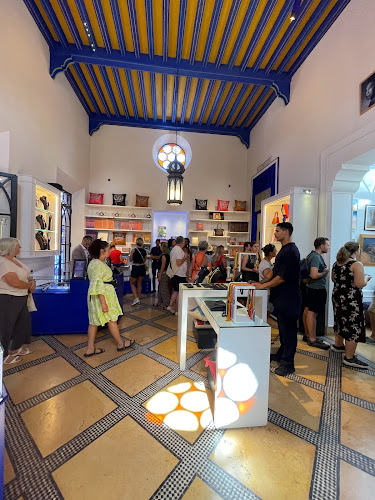
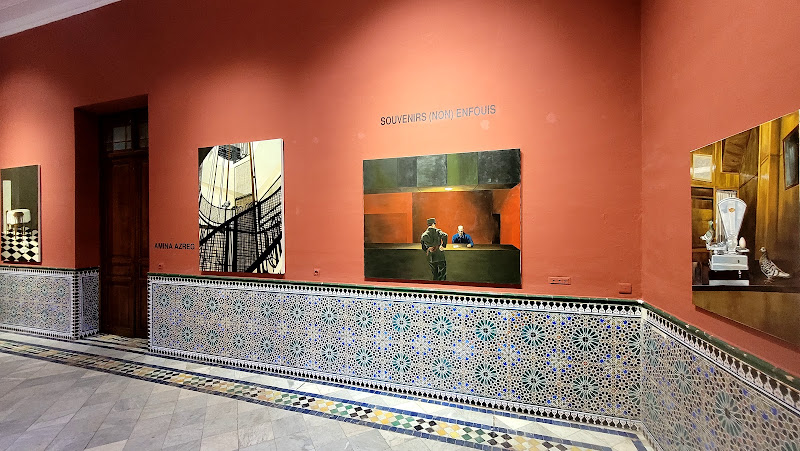
Dar Moulay Idriss is a mapped historic house address on Rue Douar Graoua, J2F8+RW3, Marrakesh 40000, Morocco, in the eastern Medina near the palace-and-museum quarter. Travelers come to locate a traditional dar within the old city’s dense lanes and to read its traditional domestic setting from the street. It is not presented as a conventional museum with a published collection, regular guided circuit, or visitor facilities; its value is its Medina context rather than a ticketed interior tour. The name refers to Moulay Idriss, an important figure in Moroccan religious and dynastic history, but a founding date and the original owner of this particular house are not publicly documented.
What to Expect at Dar Moulay Idriss
Approach Dar Moulay Idriss as an exterior heritage stop, not as an attraction with guaranteed entry. Rue Douar Graoua is part of the pedestrian-scale fabric between the Bahia Palace area and the Mellah-side approaches: narrow passages, high ochre walls, plain street-facing doors, small workshops, and occasional glimpses of carved door surrounds. Traditional Marrakchi houses generally turn inward around a courtyard, so their richest decorative work is commonly private and not visible from the lane. Do not assume that an open door indicates public access.
There are no publicly listed permanent exhibits, historic-room displays, art collections, marked trails, or interpretive panels at this address. That distinction matters when planning a day in the Medina. For documented interiors, zellige, carved plaster, painted woodwork, and formal courtyard architecture, combine the exterior stop with nearby public monuments such as Bahia Palace and Dar Si Said Museum. At Dar Moulay Idriss itself, the signature experience is following the lane respectfully, observing the relationship between residential architecture and the surrounding souks, and continuing without blocking doorways or photographing residents.
- Rue Douar Graoua setting: A compact Medina street environment close to the southern historic core.
- Traditional dar typology: The address represents the inward-looking Moroccan house form rather than a purpose-built gallery.
- Street-level observation: Expect exterior viewing only unless a lawful host specifically invites access.
- Palace-quarter location: Useful as a short waypoint between Bahia Palace, Dar Si Said Museum, and the Mellah.
- Medina wayfinding: A practical example of why offline maps and a saved pin are helpful in Marrakesh’s unnumbered lanes.
Dar Moulay Idriss at a Glance
| Detail | Information |
|---|---|
| Address | J2F8+RW3, Rue Douar Graoua, Marrakesh 40000, Morocco |
| Neighborhood / Area | Eastern Medina, near the Bahia Palace and Mellah quarter |
| Operating Hours | No public opening hours are published; view from the street during daytime |
| Admission & Ticket Prices | Not advertised as a ticketed public attraction; no public admission price or reservation system is published |
| Recommended Visit Duration | 5 to 10 minutes as an exterior waypoint |
| Nearest Transit / Parking | No vehicle access at the door; use taxi drop-off or parking around Place des Ferblantiers, then walk through Medina lanes |
| Official Website / Phone | No official visitor website or public phone number is listed |
Visiting Tips, Getting There & Nearby Pairings
Go in the morning, roughly 9:00 to 11:00, when shops are opening and navigating the lanes is easier than in the late-afternoon rush. Save the plus code before leaving your accommodation and expect map pins to drift slightly in the Medina. There are no tickets to buy and no reason to book a reservation for the address itself. From the new city, ask a petit taxi for Place des Ferblantiers or Bahia Palace, then walk the final section; drivers cannot negotiate the narrowest lanes. Public buses do not provide a door-to-door stop within this pedestrian area.
The route is not reliably wheelchair- or stroller-friendly: surfaces can be uneven, lanes tighten around parked scooters and market displays, and there is no published step-free entrance, lift, or accessible toilet. A companion can help with a compact stroller, but visitors needing continuous step-free access should make Bahia Palace-area drop-off their limit and confirm conditions locally. Within a 5- to 15-minute walk, pair the stop with Bahia Palace for documented late-19th-century interiors, Dar Si Said Museum for Moroccan arts, and Place des Ferblantiers for metalwork stalls and café breaks. The nearby Mellah also has food stalls and small restaurants along its busier edges.
Frequently Asked Questions
What are the hours, and when is the best time to visit Dar Moulay Idriss?
No public operating hours are posted because this is not a publicly programmed museum site. Visit the lane in daylight, preferably mid-morning, and treat the address as an exterior stop.
Does Dar Moulay Idriss charge admission or require reservations?
No public ticket price, online booking page, or reservation procedure is published. It should not be confused with nearby ticketed monuments; do not expect to purchase entry at the door.
How much time should I budget?
Allow 5 to 10 minutes to find and view the location from the street. Build a longer visit around Bahia Palace, Dar Si Said Museum, or the Mellah rather than allocating museum-length time here.
Is Dar Moulay Idriss suitable for families and wheelchair users?
Families can pass through the lane easily with close supervision, but there are no public exhibits or facilities aimed at children. Uneven pedestrian lanes, tight clearances, and no confirmed step-free access make it unsuitable as a dependable wheelchair visit.
When planning your Marrakech travel guide or browsing verified attractions in Marrakech, pair this stop with standout local spots including Boutique Majorelle, Parc Allal Al Fassi, Cyber Park Arsat Moulay Abdesalam, and Pepe Nero (0.1 km away).