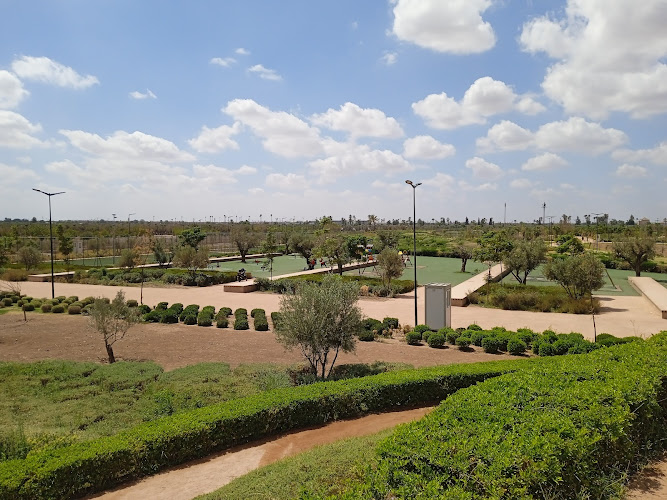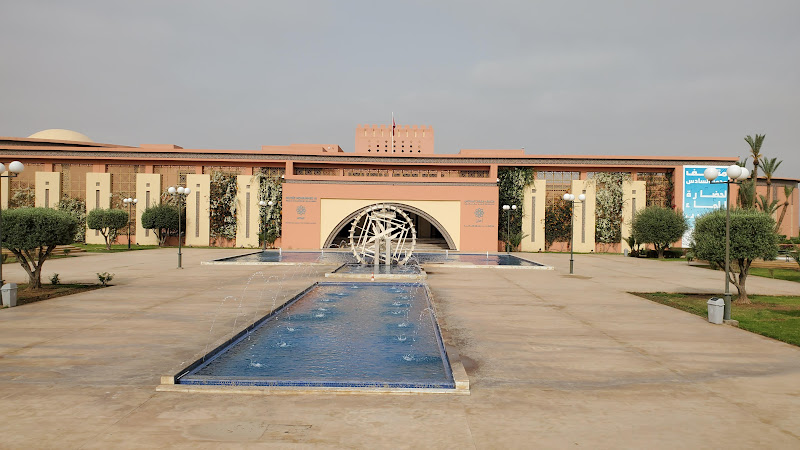
Water Museum, formally the Mohammed VI Museum for the Civilization of Water in Morocco (Aman), is a purpose-built museum on Avenue Abdelkrim Al Khattabi, near the northern edge of Marrakesh, Morocco. Opened in 2017, it interprets how water shaped Morocco’s settlement, agriculture, religious life and urban design, from early irrigation systems to present-day conservation. Travelers come for a clear, visually rich introduction to an essential subject in a country where managing scarce water has long required remarkable engineering and collective organization.
What to Expect at Water Museum
The museum’s permanent route follows water from its natural sources through the systems that brought it to fields, homes and public buildings. Look for scale models and explanatory displays on khettaras, the underground galleries that collect groundwater and carry it by gravity; open-air seguias, or irrigation channels; wells and reservoirs; and the networks that supplied Marrakech’s palm groves and gardens. Maps, historical photographs, manuscripts and audiovisual material put these techniques in their social and geographic context, rather than presenting them as isolated inventions.
Architecture is part of the experience. The contemporary building uses water-inspired forms, Moroccan geometric motifs and spacious galleries to frame the collection, while displays explain the role of fountains, hammams, ablutions and public drinking points in Moroccan cities. Sections on Islamic scholarship and water law show how access, distribution and maintenance were regulated, and later galleries connect older hydraulic knowledge with dams, potable-water infrastructure and conservation challenges. It is more interpretive than object-heavy: come prepared to read labels and spend time with the models.
- Khettara models: Understand Morocco’s ingenious sloping underground channels, ventilation shafts and gravity-fed water collection.
- Traditional irrigation: Follow the route from spring or aquifer to seguia, agricultural plots, gardens and orchards.
- Marrakech water heritage: Learn how water sustained the city’s gardens, palm grove, fountains, mosques and communal baths.
- Manuscripts and historic imagery: Explore the scientific, legal and religious ideas that governed water use and sharing.
- Contemporary conservation galleries: Connect historic practices to dams, urban supply and Morocco’s current water-stress response.
Water Museum at a Glance
| Detail | Information |
|---|---|
| Address | Avenue Abdelkrim Al Khattabi, Marrakesh 40000, Morocco |
| Neighborhood / Area | North Marrakesh, on the approach toward the Palmeraie |
| Operating Hours | Daily, 9am–7pm; arrive well before closing to see the full permanent route |
| Admission & Ticket Prices | Paid admission. Rates are not consistently published online; confirm the current adult, child and group price directly with the museum before travel. |
| Recommended Visit Duration | 60 to 90 minutes |
| Nearest Transit / Parking | No tram or rail service; use a petit taxi or private car. Limited on-site/forecourt parking is the simplest option. |
| Official Website / Phone | musee-eau.ma / +212 524 390 390 |
Visiting Tips, Getting There & Nearby Pairings
Visit at opening or from mid-afternoon onward for the calmest galleries and more time with the explanatory panels. The museum is especially useful early in a Marrakesh stay, since its account of water systems gives valuable context for later visits to gardens, fountains and the medina. Individual visitors can normally arrange admission on arrival, but school groups and guided groups should contact the museum ahead of time. Ask your driver for “Musée Mohammed VI de l’Eau” or “Musée Aman” on Avenue Abdelkrim Al Khattabi; this avoids confusion with other cultural venues.
A petit taxi from Gueliz or the medina is generally more practical than navigating city buses, particularly in summer. The museum is in a modern building with a step-free entrance and accessible public circulation on the main visitor level; enquire at reception about lift access and assistance for upper galleries. Strollers are manageable inside, although the amount of reading makes the visit better for school-age children than toddlers. Pair it with a drive through the nearby Palmeraie, then continue south to Gueliz for cafés and restaurants, or return to the medina for the fountains and water features around the Mouassine area.
Frequently Asked Questions
What are Water Museum’s hours, and when is the best time to visit?
The museum is open daily from 9am to 7pm. Arrive near 9am for quieter rooms, cooler travel conditions and enough time to read the permanent displays without rushing.
How much are tickets, and do I need a reservation?
Admission is paid, but the museum does not reliably post a current public price list online. Buy on arrival for an independent visit and contact the museum in advance for current rates, group arrangements or a guided visit.
How long should I budget for the Water Museum?
Allow 60 to 90 minutes. A quick pass through the models can take about 45 minutes, while visitors interested in engineering, Moroccan history or the documentary displays should allow longer.
Is the Water Museum suitable for children and wheelchair users?
Yes, particularly for curious school-age children who will engage with the models and visual displays. The modern entrance and main galleries are step-free; contact reception before visiting to confirm lift availability and any assistance needed for all levels.
When planning your Marrakech travel guide or comparing verified attractions and museums in Marrakech, pair this stop with standout local spots including Marrakech WITH Locals, El Fenn Hotel, Restaurant and Rooftop Bar, Musee Boucharouite, and Parc Issil (2.9 km away).