Editorial disclosure: This destinations.ai guide was prepared with AI assistance and checked against the official sources linked below. Accommodation and activity placeholders may use affiliate links; that does not change the planning advice.
Milwaukee, Wisconsin, sits on Lake Michigan’s western shore, about 90 minutes north of Chicago, with a compact downtown, a working riverfront, major museums, historic breweries, and neighborhood food scenes that reward a long weekend.
You can build a satisfying Milwaukee trip in two or three days by pairing the lakefront and downtown museums with the Historic Third Ward, a brewery experience, and time in an East Side, Bay View, or Walker’s Point neighborhood.
The city is approachable without a packed schedule, especially when you group stops by area and leave room for a lakeside walk or an unhurried meal.
This Milwaukee travel guide is for Milwaukee, Wisconsin, United States, at approximately 43.0389, -87.9065. Use the city’s waterfront geography to shape your plans: Lake Michigan, the Milwaukee River, and the downtown festival grounds create a natural route between cultural landmarks and outdoor stops.
Key Takeaways
- Plan two full days for core sights and add a third for neighborhoods, parks, or a day trip.
- Stay downtown or in the Historic Third Ward for the easiest first visit.
- Summer brings lakefront festivals, while late spring and early fall offer pleasant walking weather.
Quick Answers and Trip Profile
Milwaukee works best for a two- or three-night city break centered on art, beer history, lakefront recreation, sports, and independent restaurants. You’ll find Wisconsin’s largest city easier to navigate than Chicago while still offering distinctive districts and enough indoor attractions for a weather-proof visit.
- Best trip length: Two days for essential sights; three days for a fuller neighborhood experience.
- Best base: Downtown, the Historic Third Ward, or the East Side.
- Top first-time stops: Milwaukee Art Museum, RiverWalk, Milwaukee Public Market, Harley-Davidson Museum, and the lakefront.
- Best for: Couples, friends, solo travelers, families, architecture fans, museum visitors, and brewery enthusiasts.
- Car need: Optional downtown; useful for the Milwaukee County Zoo, Mitchell Park Domes, suburban stays, and regional day trips.
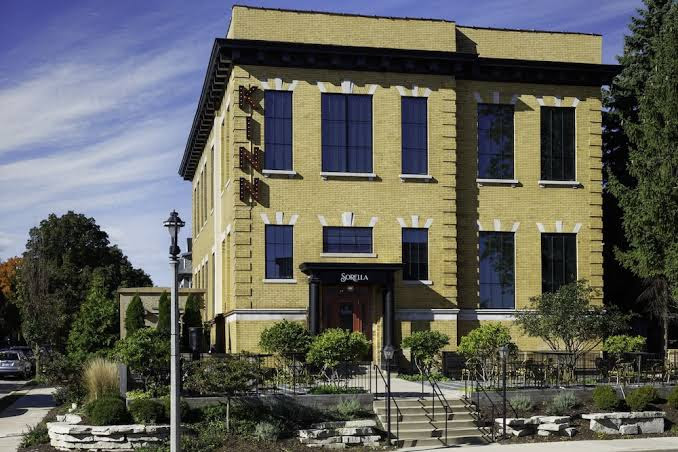
Milwaukee’s character comes through in cream-city brick buildings, German and Polish heritage, union and manufacturing history, tavern culture, and its relationship with Lake Michigan. The city’s visitor bureau offers a free Milwaukee visitor guide and map with current attraction, hotel, restaurant, and neighborhood information.
For an efficient first visit, reserve one anchor activity per day, then explore the surrounding blocks on foot. Downtown and the Third Ward connect easily, while the East Side, Bay View, and the museum districts benefit from a short ride or bike trip.
Best Things to Do in Milwaukee, Wisconsin, United States
Milwaukee’s best attractions combine lakefront architecture, hands-on museums, industrial history, public markets, and neighborhood streets. Start with the Milwaukee Art Museum, whose Santiago Calatrava-designed Quadracci Pavilion has a movable wing-like brise soleil and occupies a prominent Lake Michigan setting.
- Milwaukee Art Museum: Visit for the architecture, lake views, and broad art collection. Check current gallery access, timed-entry requirements, and hours before choosing your day.
- Milwaukee RiverWalk: Walk sections along the Milwaukee River for public art, bridges, restaurants, and views of downtown’s changing skyline. It pairs naturally with the Historic Third Ward and downtown hotels.
- Harley-Davidson Museum: Explore motorcycles, racing, design, and Milwaukee manufacturing history on a campus south of downtown. Allow time for the outdoor displays and waterfront grounds.
- Milwaukee Public Market: Eat your way through vendors in the Historic Third Ward, especially useful for a flexible lunch when everyone in your group wants something different.
- Discovery World: Bring children or science-minded adults for interactive science and freshwater exhibits on the lakefront near the museum campus.
- Milwaukee Public Museum: Choose this indoor stop for natural history and cultural exhibits. Confirm reopening plans and location details before travel, as the museum is developing a new facility.
- Mitchell Park Domes: Visit the distinctive glass conservatories for desert, tropical, and seasonal floral environments. They provide a welcome indoor option during cold, wet, or windy weather.
- Pabst Mansion: Tour this Gilded Age home for an intimate view of late-19th-century Milwaukee architecture and the legacy of brewing magnate Captain Frederick Pabst.
Families can add the Milwaukee County Zoo, which requires more travel time than downtown attractions but fills a substantial portion of a day. Sports fans should check schedules for the Milwaukee Brewers at American Family Field, Milwaukee Bucks at Fiserv Forum, and other seasonal events before setting their dates.
Breweries remain part of the city’s identity, though a good visit benefits from choosing one or two experiences instead of trying to fit in several tours. A visit to Lakefront Brewery works well with RiverWalk time, while historic brewing stories are also visible in the old Pabst Brewery complex and surrounding downtown architecture.
For a concise list of classic first-time stops, use the official Milwaukee bucket-list itinerary to check current access and seasonal offerings.
History, Culture, and Local Character
Milwaukee’s local character is shaped by Indigenous roots, Great Lakes commerce, immigration, manufacturing, brewing, and a strong tradition of neighborhood life. You’ll see that history in cream-colored brick, factory buildings adapted for new uses, church spires, corner taverns, and the warehouses of the Historic Third Ward.
The city stands on the homeland of Native peoples, including the Potawatomi, Ho-Chunk, Menominee, Ojibwe, and Oneida. Treat that history as part of the place you are visiting, especially when you encounter local place names, cultural programming, and public interpretation.
German immigrants influenced Milwaukee’s brewing industry, civic institutions, food traditions, and built environment during the 19th century. Polish, Irish, Italian, Black, Latino, and many other communities also shaped the city’s neighborhoods, music, businesses, religious institutions, and political life.
For a focused historical pairing, visit Pabst Mansion and the Harley-Davidson Museum on separate blocks of your itinerary. The mansion offers domestic architecture and brewing-era wealth; Harley-Davidson traces product design and industrial labor through a global brand founded in Milwaukee.
Milwaukee’s cultural calendar expands dramatically during warm months. Summerfest, ethnic festivals, outdoor concerts, Brewers games, and Lake Michigan events draw large crowds, so check event calendars before booking accommodation.
A central hotel can save you time when festival grounds, Fiserv Forum, or downtown theater performances are priorities. Give yourself time to look beyond the major attractions, too.
A stroll through an older commercial corridor such as Brady Street, Kinnickinnic Avenue, or North Avenue reveals the independent shops, cafes, music venues, and taverns that make Milwaukee feel lived-in.
Neighborhoods, Parks, and Outdoor Activities
Milwaukee is most rewarding when you match each neighborhood to a different part of your day, from downtown museums to East Side cafes and Bay View’s relaxed commercial streets. Choose one or two districts beyond downtown instead of trying to cross the entire city in a single afternoon.
- Downtown: Best for first-time visitors, business hotels, Fiserv Forum, the RiverWalk, theater, and quick access to lakefront attractions.
- Historic Third Ward: Choose it for warehouse architecture, galleries, boutiques, the Milwaukee Public Market, dining, and a walkable connection to downtown.
- East Side: Explore Brady Street, North Avenue, the University of Wisconsin-Milwaukee area, lakefront parks, and a lively mix of casual food and nightlife.
- Bay View: Spend time along Kinnickinnic Avenue for independent restaurants, bars, shops, and a neighborhood-scale evening.
- Walker’s Point: Visit for restaurants, breweries, converted industrial buildings, and proximity to the Harley-Davidson Museum.
Lake Park is one of the city’s most useful green spaces for visitors. Its blufftop paths, mature trees, lake views, and proximity to the East Side make it a strong morning or late-afternoon stop.
Veterans Park and the lakeshore paths offer broad views of Lake Michigan near downtown. For beach time, head to Bradford Beach on the East Side lakefront when weather and water conditions are favorable.
Lake Michigan water stays cold well into warmer weather, and conditions can change quickly, so follow posted advisories and lifeguard guidance.
The Oak Leaf Trail gives cyclists and walkers access to a larger regional network. If you rent a bicycle, keep your route realistic: lakefront paths are scenic and easy to combine with downtown, while longer trail segments require more time, water, and route planning.
The Milwaukee River supports seasonal paddling opportunities, and local outfitters publish current rental and launch details. If you prefer a self-guided waterfront landmark, seek out the Milwaukee Pierhead Lighthouse from public viewpoints around the harbor and lakefront.
Where to Stay and What to Eat
Downtown and the Historic Third Ward are the strongest places to stay for a first Milwaukee visit because you can walk to major museums, the RiverWalk, restaurants, entertainment venues, and the lakefront. Book the East Side for a more residential feel near Brady Street and Lake Park, or Bay View when local dining and nightlife shape your plans.
For a downtown base, compare location, parking policy, room accessibility, and event-night rates before booking. You can browse a curated list of hotels in Milwaukee, Wisconsin and use it to narrow your preferred district.
Visitors attending a Bucks game, convention, or festival should reserve early, as central rooms fill quickly around large events. Milwaukee food rewards an appetite for local staples and neighborhood restaurants.
Order cheese curds, a Friday fish fry, bratwurst, butter burgers, frozen custard, and a brandy old fashioned if those fit your tastes. A public market meal is convenient at midday, while dinner is a good time to book a chef-driven restaurant in the Third Ward, Walker’s Point, Bay View, or the East Side.
For a more structured food plan, choose one classic Wisconsin meal, one brewery or taproom stop, and one restaurant reservation. That approach gives you variety without turning every hour into a search for the next table.
Breakfast and brunch can draw lines on weekends, especially in popular neighborhoods. Arrive early, use a waitlist when offered, or choose a weekday morning.
If you have dietary needs, confirm menus and cross-contact practices directly with the restaurant before you go.
How to Get There and Get Around
Milwaukee is easy to reach by air, train, interstate highway, and intercity bus, with Milwaukee Mitchell International Airport about a 10-to-15-minute drive from downtown. The city is also about 90 minutes north of Chicago by road, which makes it a practical add-on to a Midwest itinerary.
Fly into Milwaukee Mitchell International Airport when you want the shortest airport-to-hotel transfer. Chicago O’Hare International Airport offers more flight options for some routes, though ground travel to Milwaukee takes longer and requires careful timing.
Amtrak’s Hiawatha service links Milwaukee and Chicago, and the downtown Intermodal Station is useful for travelers staying in the central city. Check the official Milwaukee transportation planning information for current airport, rail, road, and bus guidance before departure.
Once you arrive, walk downtown, the Third Ward, and the lakefront museum district. Milwaukee County Transit System buses extend your reach across the city, while The Hop streetcar serves portions of downtown.
Confirm operating hours, service alerts, fares, and stop locations through the relevant transit agency before relying on a connection. Rideshare and taxis are practical for evening returns, airport transfers, and cross-town trips.
A rental car helps for the zoo, suburban attractions, and day trips, though downtown parking can add cost and event traffic can slow driving. If you drive, check your hotel’s overnight parking policy before reserving a room.
For a lower-impact itinerary, use rail from Chicago, walk the central districts, and take transit or rideshare only for longer connections. The city’s compact visitor core makes that plan realistic in fair weather.
Best Time to Visit and Seasonal Planning
June through September is the best period for most Milwaukee visitors because lakefront paths, patios, parks, baseball, festivals, and outdoor events are in full swing. July average high temperatures are around 81°F, though lake breezes can make the waterfront feel cooler than inland neighborhoods.
Summer also brings the largest crowds and busiest hotel dates, especially around Summerfest, major sporting events, conventions, and weekend festivals. Confirm dates before booking, since a popular event can affect room availability, restaurant reservations, parking, and airport demand across central Milwaukee.
Late May and September offer a calmer balance of outdoor access and lighter festival pressure. Pack layers in every season: Lake Michigan can bring wind, quick temperature changes, and rain even on days that begin warm.
Autumn brings colorful park walks and a strong dining, arts, and sports atmosphere. It suits museum-focused visits, though sunset arrives earlier and outdoor schedules diminish as temperatures fall.
Winter is cold and snowy, making it best for visitors who enjoy indoor museums, restaurants, performing arts, holiday programming, and sports. Choose a downtown hotel near your priorities, wear insulated footwear with traction, and allow extra time for weather-affected flights or road travel.
Spring changes quickly from year to year. Plan flexible indoor alternatives such as the Milwaukee Art Museum, Harley-Davidson Museum, Discovery World, or Mitchell Park Domes, then take advantage of clear days for the lakefront.
A Practical Two- or Three-Day Itinerary
A well-paced Milwaukee itinerary groups sights by location and leaves room for meals, weather changes, and spontaneous neighborhood stops. Keep your first day close to downtown and the lakefront, then use later days for history, parks, or a district farther from the core.
Day 1: Lakefront, art, and the Historic Third Ward. Start at the Milwaukee Art Museum, then walk the lakefront through Veterans Park or toward Discovery World. Eat lunch at Milwaukee Public Market, browse the Historic Third Ward, and follow the RiverWalk into downtown. Reserve dinner in the Third Ward or Walker’s Point.
Day 2: Industrial history and local neighborhoods. Visit the Harley-Davidson Museum in the morning, then explore Walker’s Point for lunch. Spend the afternoon at Pabst Mansion or Mitchell Park Domes, depending on your interests and the weather. End in the East Side for Brady Street, or choose Bay View for dinner along Kinnickinnic Avenue.
Day 3: Choose your interest. Families can devote the day to the Milwaukee County Zoo or Discovery World. Outdoor travelers can walk Lake Park, visit Bradford Beach in season, and rent a bike for lakefront paths. Sports fans can plan around a Brewers or Bucks game, with the schedule determining the rest of the day.
If you only have two days, skip Day 3 and avoid squeezing in every museum. You will get more from the city by keeping an unhurried lunch, a waterfront walk, and one neighborhood evening in the plan.
Before departure, use the official Milwaukee trip ideas and itineraries page to check seasonal programs and adapt your route around current openings.
Costs, Safety, Accessibility, and Reservations
Milwaukee offers a range of trip costs, with your biggest variables being hotel dates, event demand, dining choices, parking, and attraction admissions. Build a daily budget around your booked hotel rate, then check each museum, tour, game, or performance directly for current ticket prices and advance-purchase policies.
You can manage costs by mixing paid attractions with free time on the RiverWalk, lakefront, parks, neighborhood walks, and public art routes. Staying downtown without a car reduces parking costs, while a car becomes more useful if you plan to visit the zoo, suburban activities, or regional day trips.
Use the same city awareness you would in any urban destination. Stay in populated, well-lit areas after dark, keep valuables secured, avoid leaving belongings visible in a parked car, and use rideshare or a taxi when a walk feels too long or unfamiliar. Ask your hotel staff about the best route to an evening venue.
Milwaukee’s central attractions and larger hotels provide many accessible options, though older buildings, uneven brick streets, winter snow, and lakefront wind can affect mobility. Request an ADA room with the features you need directly from the hotel, and contact museums or tour operators in advance about step-free entrances, companion policies, seating, sensory conditions, and service-animal access.
Reserve ahead for special exhibitions, popular restaurant dinners, brewery tours, sporting events, and major festivals. Weekend brunch benefits from advance planning, too. Check official attraction pages close to your visit because operating hours, timed entry, and weather procedures change.
Travel insurance and refundable reservations are useful during winter or when you are connecting through Chicago airports. If you are planning a road-based Midwest trip, these road trip planning tips can help you organize driving time, overnight stops, and weather contingencies.
Sources and Current Planning Links
Use official local planning pages for current dates, schedules, and access details. Event calendars, construction, weather, and attraction operations change throughout the year.
- Milwaukee visitor information, hotels, restaurants, breweries, and events
- Milwaukee vacation planning resources
- Official Milwaukee visitor guide and map
- Getting to and around Milwaukee
- Milwaukee destination overview
Frequently Asked Questions
Milwaukee is a strong long-weekend destination for lakefront walks, architecture, museums, food, brewery culture, and neighborhood exploration. You’ll enjoy it most when you treat it as a distinct Great Lakes city with its own pace, history, and local traditions.
Is Milwaukee worth visiting?
Yes, Milwaukee is worth visiting if you enjoy cultural attractions, waterfront scenery, local food, sports, and walkable urban neighborhoods. Two or three days gives you enough time for the Milwaukee Art Museum, RiverWalk, Historic Third Ward, a history museum, and a neighborhood meal.
What is a must-see in Milwaukee?
The Milwaukee Art Museum is the essential must-see for most first-time visitors because of its lakefront setting, memorable architecture, and art collection. Pair it with a walk around the museum campus and Veterans Park for a fuller view of the city’s Lake Michigan shoreline.
What is the best month to visit Milwaukee, Wisconsin?
September is an excellent month to visit Milwaukee because you often get comfortable conditions for walking and lakefront time with fewer peak-summer crowds. June, July, and August suit you if festivals, outdoor concerts, baseball, and beach days are your priorities.
What can I do in Milwaukee in three days?
You can spend three days visiting the lakefront museums and Historic Third Ward, exploring Harley-Davidson and Walker’s Point, then choosing between the zoo, parks, Bay View, the East Side, or a sporting event. Grouping stops by neighborhood keeps travel time manageable and leaves space for restaurant reservations.
What areas should visitors avoid in Milwaukee?
You should avoid isolated streets and unfamiliar areas after dark, particularly when you are walking alone or don’t have a clear destination. Stay aware around transit stops and parking areas, use well-traveled routes in the visitor districts, and arrange a ride for late-night cross-town travel.
What day trips can you take from Milwaukee?
Madison, Lake Geneva, Cedarburg, and Chicago are practical day-trip choices from Milwaukee, depending on your transport and interests. For a capital-city outing with lakes, museums, and a college-town atmosphere, explore Madison, Wisconsin.
Use a car for the greatest flexibility on most other regional trips.
Affiliate placeholder: Compare accommodation options after checking the official property details, location, and cancellation terms.
Affiliate placeholder: Check current activity availability, meeting points, accessibility, and cancellation terms before reserving.