Editorial disclosure: This destinations.ai guide was prepared with AI assistance and checked against the official sources linked below. Some hotel and tour links on this page may earn an affiliate commission at no extra cost to you; our editorial recommendations remain independent.
Quick Trip-Planning Snapshot
Moreno Valley is an Inland Empire city in Riverside County, best treated as a practical two- or three-day base rather than a headline destination. It works well for visitors pairing March Air Reserve Base-area aviation history, Lake Perris recreation, and the San Jacinto Wildlife Area with trips to Riverside, Palm Springs, or Orange County. Plan on driving for nearly everything, and book hotels two to three weeks ahead for weekends, since lodging is concentrated near the I-215 and SR-60 corridors and fills during regional events, sports tournaments, and holiday travel.
- Best Base for First-Timers: Stay near the SR-60 and I-215 interchange area, where chain hotels, restaurants, and fast freeway access put you within about 15 minutes of Lake Perris and March Field.
- Getting Around: Treat a rental car or rideshare as essential. Riverside Transit Agency buses serve major corridors, and Metrolink service in nearby Riverside and Perris helps for rail-linked day trips, but frequencies and coverage are limited for sightseeing.
- Peak vs. Value Windows: Spring and fall bring the most comfortable outdoor weather and busier weekends at Lake Perris. Summer is hot and best for early-morning or lake-based plans. Winter is mild, quiet, and often the best value.
- Top Insider Tip: Schedule hikes, lake time, and wildlife viewing for early morning, then use midday heat for indoor stops, and check conditions for Santa Ana winds and wildfire smoke before committing to outdoor days.
Moreno Valley, California, sits in Riverside County’s Inland Empire, east of Riverside and within easy reach of mountain trails, desert-edge lakes, and aviation history. You’ll get the most from a visit by treating it as a relaxed two- or three-day base for outdoor recreation and nearby attractions, with a car for flexibility.
Your strongest Moreno Valley trip combines a morning hike at Box Springs Mountain, time on or beside Lake Perris, and an afternoon at March Field Air Museum. The city’s appeal rests on accessible open space, family recreation, shopping, and a practical location for exploring Riverside, Perris, and the wider Inland Empire.
Moreno Valley is a substantial Inland Empire city with a population of 208,634 in the 2020 census, and it is Riverside County’s second-largest city by population. Its broad streets and spread-out layout reward advance planning, especially if you want to combine trailheads, museums, and restaurants in one day.
Key Takeaways
- Plan around a rental car or your own vehicle for the easiest local travel.
- Schedule outdoor activities early during warm-weather months.
- Build your visit around Box Springs Mountain, Lake Perris, and March Field.
Quick Answers and Trip Profile
Moreno Valley works best for a short Southern California getaway focused on hiking, lake recreation, family activities, and Inland Empire day trips. You’re about 10 miles east of Riverside, while Perris and Lake Perris State Recreation Area sit to the south.
- Best for: Outdoor-minded travelers, aviation fans, families, and road trippers.
- Ideal length: Two full days, with a third day for Perris or Riverside.
- Best transport: A personal vehicle or rental car.
- Signature experiences: Box Springs Mountain Reserve, Lake Perris, March Field Air Museum, and the Moreno Valley Mall.
- Closest major airport: Ontario International Airport is a practical Inland Empire gateway; Los Angeles International Airport is another option for wider flight availability.
The city is part of the Riverside-San Bernardino metropolitan area and the greater Los Angeles region, a position that gives you access to varied landscapes without committing to a long-distance road trip. For a concise orientation before booking, browse this Moreno Valley destination overview.
Best Things to Do in Moreno Valley, California
Start with Box Springs Mountain, Lake Perris, and March Field Air Museum, which give you the clearest sense of Moreno Valley’s landscape and local history. Plan each stop around its own operating hours, weather conditions, and seasonal rules.
- Hike Box Springs Mountain Reserve: Trails on the northwest side of the city lead through rugged Inland Empire terrain and toward broad views across Moreno Valley, Riverside, and surrounding ranges. Carry more water than you expect to need, wear sun protection, and choose an early start when temperatures rise.
- Spend a day at Lake Perris: Lake Perris State Recreation Area supports shoreline walks, picnics, fishing, boating, and swimming when conditions permit. The lake is also a strong place for birdwatching, especially if you bring binoculars and allow time to explore beyond the busiest launch and picnic areas.
- Visit March Field Air Museum: Near March Air Reserve Base, this aviation museum displays aircraft and military aviation artifacts, including historic aircraft associated with American air power. The collection makes a rewarding indoor stop after a hot morning outdoors.
- Explore the Moreno Valley Mall: You’ll find stores, dining, entertainment, and a movie theater in a central location. It’s useful for a midday break or an easy family evening.
- See the Moreno Valley Veterans Memorial: This quiet civic memorial provides a brief, reflective stop near City Hall and fits well into a downtown-area errand or meal.
For a wider list of nearby options, including Box Springs Mountain, Lake Perris, and March Field, consult this guide to Moreno Valley attractions. If you want an adrenaline-focused detour, Perris has skydiving and motorsports facilities, though reservations and age requirements vary by operator.
History, Culture, and Local Character
Moreno Valley’s character comes from its rapid late-20th-century growth, military connections, diverse communities, and setting between the Riverside urban area and protected open land. You’ll find a contemporary suburban city shaped by logistics, healthcare, education, and commuting across the Inland Empire.
The city incorporated in 1984, though the valley’s history reaches much further through Indigenous Cahuilla connections, ranching, agriculture, and the development of March Field. At Lake Perris, the Ya’i Heki’ Regional Indian Museum interprets the region’s Native history and culture. Confirm public access and programming before making a special trip.
March Field is central to the area’s modern identity. March Air Reserve Base has anchored military aviation activity for generations, and the adjacent museum gives you useful historical context before or after exploring the aircraft displays.
Your cultural itinerary can also extend west to Riverside, California, where you’ll find a denser concentration of historic architecture, museums, and dining. Keep Moreno Valley as your lodging base if you prefer newer hotels and direct access to the SR-60 corridor.
Neighborhoods, Parks, and Outdoor Activities
Where to Stay: Neighborhood Trade-Off Matrix
| Neighborhood / Area | Best For | Vibe & Walkability | Key Trade-Off |
|---|---|---|---|
| SR-60 / I-215 Corridor | First-timers, road-trippers, short stays | Convenient and commercial; hotels, dining, and shopping cluster together, but you will still drive between them. | Freeway noise and a generic, highway-oriented feel. |
| Moreno Valley Mall / Towngate Area | Shopping, casual dining, families | Big-box and mall layout; walkable within a shopping center, not between districts. | Little local character and heavy weekend traffic. |
| Lake Perris / Southern Edge | Boating, camping, fishing, outdoor trips | Quiet and scenic with lake and rocky hill views; activity centers on the State Recreation Area. | Few dining and lodging options nearby, so plan on camping or driving into town. |
| March Air Reserve Base / March Field Area | Aviation fans, museum visitors, business travel | Open, low-density, and functional; attractions are spread out and car-dependent. | Limited nightlife and food variety. |
| Sunnymead / Old Town-Style Core | Local eats, budget-minded visitors | Older commercial strips with independent taquerias and neighborhood restaurants. | Uneven walkability and fewer modern hotel options. |
| Edgemont / Eastern Foothills | Longer stays, hikers, quieter evenings | Residential and hillside, with trail access toward the Box Springs Mountains; mostly car-based. | Few visitor services and limited short-term lodging. |
| Riverside (nearby alternative) | Dining, museums, rail access, nightlife | Walkable downtown core around Mission Inn and Main Street pedestrian areas. | Adds a 15 to 25 minute drive, depending on traffic, to Moreno Valley sights. |
Choose the SR-60 and I-215 corridor if you want simple logistics and flexible freeway access to the wider Inland Empire. Pick Lake Perris if the outdoors is the point of the trip, and consider Riverside if you want a walkable evening scene while using Moreno Valley for daytime activities.
Moreno Valley’s outdoor highlights sit around Box Springs Mountain, Lake Perris, and city parks, with each area serving a different pace of day. Use trailhead maps and park notices on the day of your visit because heat, fire conditions, maintenance, and water access can change your plans.
Box Springs Mountain Reserve is your destination for elevation, exposed trails, and distant views. The climb toward the prominent “M” is popular, though steep terrain and little shade make it better for hikers prepared with sturdy shoes, water, sun protection, and a charged phone.
Lake Perris State Recreation Area offers the broadest range of water-centered activities. You can build a low-key day around a picnic and shoreline walk, or bring permitted gear for fishing and boating.
Check California State Parks updates for current swimming conditions, launch availability, fishing rules, parking, and entry fees before you leave. It’s worth doing, particularly during busy summer weekends.
City parks such as Lasselle Sports Park provide playgrounds, sports fields, open lawns, and picnic space. These are practical choices when you’re traveling with children who need room to run between longer outings.
For a scenic day trip, drive into Riverside for Mount Rubidoux Park, whose paved and unpaved routes lead to a summit with city views. You can pair it with the city’s museums or restaurants, then return to Moreno Valley before evening traffic builds.
Where to Stay and What to Eat
Stay near the SR-60 and Frederick Street area for the most convenient access to Moreno Valley hotels, restaurants, shopping, and major roads. This part of the city works especially well when you’re arriving late, traveling with children, or using Moreno Valley as a base for Riverside County.
For an extended stay or a room layout that supports self-catering, consider the Residence Inn Riverside Moreno Valley. If you prefer a full-service feel with amenities geared toward a weekend break, review the Ayres Hotel & Spa Moreno Valley.
Confirm parking policies, breakfast details, pet rules, and accessible-room features directly with your hotel before booking. Those details can vary more than expected between properties.
Dining in Moreno Valley reflects the region’s broad mix of Mexican, Salvadoran, Asian, barbecue, American, and chain restaurant options. You’ll find the largest concentration around the mall and along major commercial corridors, where casual meals are easiest to combine with shopping or a movie.
For the most satisfying meal plan, reserve a sit-down dinner on Friday or Saturday night, then leave other meals flexible. Build lunch around your route, especially on Lake Perris days, when a picnic supplies more freedom than driving back across town at midday.
How to Get There and Get Around
Driving is the most efficient way to reach and explore Moreno Valley because attractions and lodging are spread across a wide suburban area. The SR-60 runs through the city, while Interstate 215 lies to the west and connects you toward Riverside, San Bernardino, and Perris.
From Los Angeles, the main approach uses Interstate 10 or State Route 60, and Southern California traffic can substantially affect travel times during peak periods. Leave extra time on weekday mornings and late afternoons, particularly when crossing between Los Angeles County, the Inland Empire, and Riverside.
Ontario International Airport offers a closer flight option for many travelers, while Los Angeles International Airport offers broader international and domestic schedules. A rental car provides the easiest airport transfer and lets you reach Box Springs Mountain, Lake Perris, March Field, and restaurants without coordinating separate rides.
Rideshare services are available, though relying on them for a trail-and-lake itinerary adds wait times and costs. Public transportation serves local needs, yet it’s less practical for reaching dispersed recreation sites.
If you’re traveling by road, use these road-trip planning tips to organize fuel stops, heat precautions, and a realistic driving schedule.
Best Time to Visit and Seasonal Planning
Visit Moreno Valley in spring, fall, or mild winter weather for the most comfortable hiking and sightseeing. March through May and November offer reported temperatures from 68°F to 79°F, conditions that suit daytime walks and outdoor attractions.
Summer brings bright, dry heat, so put Box Springs Mountain or Lake Perris walks early in the day and use museums, shopping, or an afternoon hotel break during peak warmth. Carry water in the car, as trailheads and open lake areas have limited shade.
Spring is especially appealing when seasonal rains support green hillsides and wildflowers. Rainfall is concentrated in the cooler season, with February averaging 1.61 inches across 6.1 rainy days in one long-term climate summary.
Rain also changes trail footing, so wear shoes with traction. Fall gives you warm days with less summer intensity, while winter supplies cooler hiking weather and occasional rain.
For flexible travel dates, compare seasonal conditions with this guide to the best time of year to travel, then prioritize the forecast during the week before departure.
A Practical Two- or Three-Day Itinerary
A two-day Moreno Valley itinerary gives you its leading outdoor and aviation experiences, while a third day opens room for Riverside or Perris. Keep each day geographically focused to reduce time in traffic.
- Day 1: Box Springs Mountain and Moreno Valley. Start early with a hike in Box Springs Mountain Reserve. After a rest and lunch, visit the Moreno Valley Veterans Memorial, browse the Moreno Valley Mall, and choose dinner near your hotel.
- Day 2: Lake Perris and March Field. Spend the morning at Lake Perris State Recreation Area, with a picnic, shoreline walk, or permitted water activity. In the afternoon, head to March Field Air Museum, allowing enough time for the outdoor aircraft collection. Confirm both attractions’ hours before setting your schedule.
- Day 3: Choose Riverside or Perris. In Riverside, hike Mount Rubidoux and explore the city center. In Perris, choose an aviation, railway, motorsport, or skydiving activity based on your interests and reservation availability.
Keep one meal each day unplanned so you can adjust for heat, trail duration, or museum timing. If you’re traveling with young children, replace a longer hike with a city-park playground stop and give Lake Perris the larger share of your outdoor time.
Costs, Safety, Accessibility, and Reservations
Moreno Valley supports a range of trip budgets, with the biggest variables being hotel dates, rental car costs, fuel, dining choices, and paid attraction admission. Lodging rates change frequently, especially around holidays, sporting events, and Southern California weekends, so compare refundable options before committing.
To keep costs controlled, choose a hotel with breakfast, pack a Lake Perris picnic, use free city parks, and focus on hiking. An affordable travel planning approach can help separate fixed costs, such as flights and lodging, from daily spending on food, parking, and activities.
For personal safety, use the same city awareness you would in any large Southern California suburb. Keep valuables out of sight in parked vehicles, lock your car at trailheads, stay on marked paths, and avoid isolated outdoor areas after dark.
Heat exposure is a more immediate risk on open trails, so bring ample water and turn back early if conditions feel demanding. It’s better to shorten a hike than push through uncomfortable conditions.
Accessibility varies by attraction. Museums and malls offer the most predictable paved access, while mountain trails range from uneven to steep.
Lake Perris has developed areas alongside natural terrain, so contact the park before arrival if you need current details on accessible parking, paths, restrooms, beach access, or mobility equipment.
Reserve hotel rooms in advance for weekends, verify museum hours, and book any skydiving, motorsports, or guided water activity ahead. State park entry procedures, boating rules, and closures can change with conditions, so check them on the morning you go.
Sources and Current Planning Links
Use current operator information for hours, access rules, reservation requirements, and weather-sensitive activities. The following planning links provide useful starting points for your Moreno Valley trip.
- Current Moreno Valley attraction listings and traveler updates
- Moreno Valley parks and nature attraction reviews
- Moreno Valley hotel and travel planning listings
- Transport options to Moreno Valley from nearby cities
- Monthly Moreno Valley climate information
- Moreno Valley population and geographic background
Frequently Asked Questions
Moreno Valley is best suited to a short, car-based Inland Empire visit centered on open space, lake activities, aviation history, and nearby day trips. Families will find easy options, while hikers will get the most distinctive local experience.
Is Moreno Valley worth visiting?
Moreno Valley is worth visiting if you enjoy hiking, lake recreation, aviation museums, and a quieter Southern California base. You’ll get more value from a two- or three-day itinerary that includes Lake Perris, Box Springs Mountain, and nearby Riverside.
What are the best free things to do in Moreno Valley?
The best free activities include hiking in Box Springs Mountain Reserve, visiting city parks, seeing the Moreno Valley Veterans Memorial, and exploring public shopping areas. Confirm parking charges and access restrictions before heading to trailheads or recreation areas.
What can families do in Moreno Valley?
Families can combine Lake Perris picnic areas and shoreline recreation with March Field Air Museum, playgrounds, bowling, arcade entertainment, and the Moreno Valley Mall. Plan active outdoor time in the morning during hot weather, then schedule indoor activities for later in the day.
What is Moreno Valley famous for?
Moreno Valley is known for its Inland Empire setting, Box Springs Mountain, Lake Perris, and proximity to March Field Air Museum. It is also one of Riverside County’s largest cities and a major residential and logistics center.
Is Moreno Valley close to San Diego?
Moreno Valley is inland from San Diego and works better as a separate destination than as a quick side trip. The drive crosses a substantial stretch of Southern California, and traffic can greatly extend travel time, so schedule it as a full-day transfer if you include both places.
Is Moreno Valley expensive to visit?
Moreno Valley can be more manageable than coastal Southern California destinations, especially since many popular activities involve parks, hikes, and self-directed sightseeing. Your trip costs will rise most with hotel demand, rental-car rates, fuel, restaurant meals, and paid attractions.
Affiliate placeholder: Compare accommodation options after checking the official property details, location, and cancellation terms.
Affiliate placeholder: Check current activity availability, meeting points, accessibility, and cancellation terms before reserving.
Explore Moreno Valley by Category: Discover curated spots across Moreno Valley Extended stay hotel, Moreno Valley American restaurant, Moreno Valley Mexican restaurant.
Seasonal Timing, Crowd & Pacing Matrix
| Season / Months | Weather & Crowd Reality | Standout Experiences | Planning Strategy |
|---|---|---|---|
| Spring (March to May) | Warm, mild days and the best light; wildflowers possible after wet winters. Moderate crowds, busier on weekends. | Lake Perris hiking and boating, San Jacinto Wildlife Area birding, aviation museum visits. | Best all-around window. Book weekend lodging and campsites a few weeks ahead. |
| Summer (June to August) | Hot, dry inland heat, frequently well above 90°F in the afternoon. Lake areas are busiest; city sights are quiet. | Swimming, boating, and fishing at Lake Perris, early-morning walks, air-conditioned museums. | Start outdoor plans at sunrise, book lake days early, and hydrate and carry sun protection. |
| Fall (September to November) | Heat eases by October; Santa Ana wind events and wildfire smoke can affect air quality. Moderate crowds. | Hiking, cycling, birding migration, day trips to Riverside and Palm Springs. | Check air quality and fire advisories before outdoor days, and keep flexible backup plans. |
| Winter (December to February) | Cool, mild days and chilly nights, with occasional rain. Lowest crowds and best lodging value. | Hiking in cooler conditions, clear-air views of snow-capped San Jacinto and San Bernardino peaks, local dining. | Pack layers, watch the forecast for storm days, and use the quiet season for longer stays. |
Most visitors arrive by car or fly into Ontario International, Palm Springs, or John Wayne, with Ontario typically the easiest by drive time on SR-60, and Los Angeles International and San Diego as farther options. For rail, Metrolink serves nearby Riverside and Perris, but you will still need a rideshare or rental car for last-mile connections. Avoid SR-60 and I-215 during weekday commute peaks, when the Inland Empire corridors slow sharply, and confirm Riverside Transit Agency routes before relying on buses for sightseeing.
Explore Moreno Valley by Category
- Hotels in Moreno Valley (15)
- Attractions in Moreno Valley (13)
- Parks in Moreno Valley (12)
- Restaurants in Moreno Valley (10)
- Extended stay hotel in Moreno Valley (5)
- American restaurant in Moreno Valley (4)
- Mexican restaurant in Moreno Valley (4)
Top Verified Places in Moreno Valley
- Ayres Hotel & Spa Moreno Valley (4.6★ · 1,705)
- Lake Perris State Recreation Area (4.6★ · 8,765)
- Steer 'n Stein (4.5★ · 1,877)
- Fairfield Inn & Suites Riverside Moreno Valley (4.4★ · 289)
- Sonora Grill (4.6★ · 2,011)
- Hampton Inn & Suites Moreno Valley (4.2★ · 648)
- March Field Air Museum (4.8★ · 2,421)
- Sycamore Highlands Park (4.7★ · 1,075)
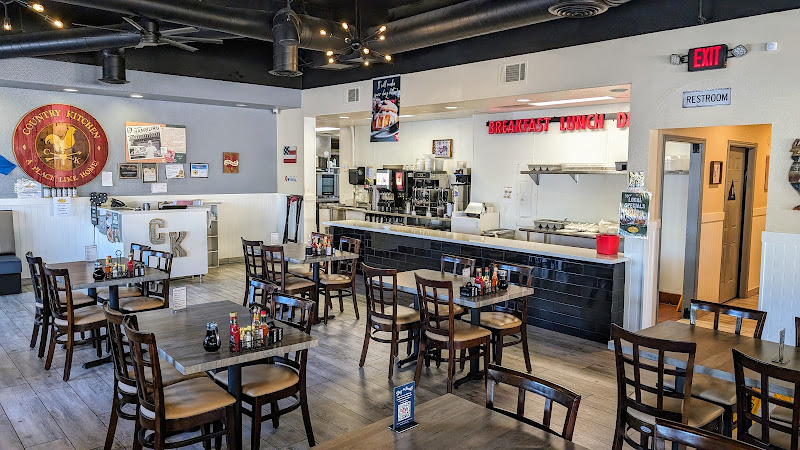
- Country Kitchen (4.7★ · 1,253)
- Home2 Suites by Hilton Riverside March Air Reserve Base (4.3★ · 123)
- Angelo's Burgers (4.5★ · 1,973)
- Green Onion (4.3★ · 1,713)
- Best Western Moreno Hotel & Suites (3.7★ · 1,267)
- UC Riverside Botanic Gardens (4.7★ · 1,143)
- Box Springs Mountain Reserve Park (4.6★ · 1,156)
- BJ's Restaurant & Brewhouse (4.2★ · 2,164)
- Homestay Suites – Studios & Spas (3.9★ · 74)
- Margaritas Grill Restaurant and Catering (4.4★ · 559)
- La Quinta Inn & Suites by Wyndham Moreno Valley (4.1★ · 596)
- Shadow Mountain Park (4.7★ · 778)
- WoodSpring Suites Moreno Valley (3.1★ · 74)
- HOGGS Gourmet Grill (4.5★ · 1,114)
- EL DFectuoso (4.6★ · 285)
- Hotel XOLA (3.9★ · 781)