The Norwegian Maritime Museum, known in Norwegian as Norsk Maritimt Museum, tells the long, sea-bound story of Norway from its setting on Oslo’s Bygdøy peninsula. This is a focused national museum rather than a full-scale ship attraction: its strength is the way archaeological finds, finely made vessel models, paintings and working-boat history connect everyday coastal life with global trade, shipbuilding and offshore industry.
Bygdøy gives the visit an appealingly different rhythm from central Oslo. The museum sits among the peninsula’s major cultural stops, close to the water and within easy reach of other museums, green spaces and waterfront walks. Inside, the galleries reward both close readers and casual browsers; outside, historic boats and views across the Oslofjord make this a useful pause in a museum-heavy day.
Standout Highlights & What Not to Miss
Come with a little curiosity about how people, goods and ideas moved along Norway’s coast and beyond it. The museum’s most distinctive material is not one blockbuster object but a layered collection that makes seafaring legible through objects, images and stories. Allow time to look closely rather than simply moving from room to room.
- Marine archaeology galleries bring recovered material from wrecks and coastal sites into view. They offer a tangible starting point for understanding the risks, technologies and trading connections behind maritime life, and are especially worthwhile for visitors who want more than a broad history-of-shipping overview.
- Ship models are a major draw. Their scale and detail make changes in hull shape, rigging and vessel purpose easier to grasp than text alone, whether you already know your sailing ships or are visiting with children who respond to miniature worlds.
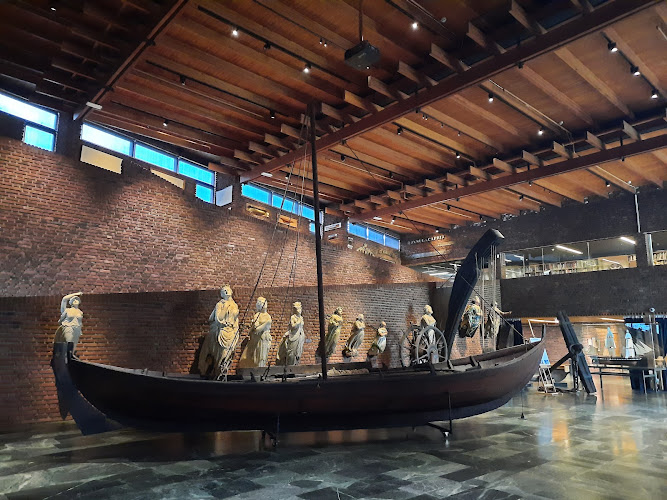
- Maritime paintings, ship portraits and carved figureheads add an artistic dimension. Look for the contrast between these expressive objects and the practical realities of shipping; together they show how ships were workplaces, commercial tools and symbols of status.
- Historic boats and the outdoor setting extend the story beyond display cases. They are best appreciated at an unhurried pace, particularly when the weather makes a short waterfront wander pleasant.
- Cafe FJORD’s terrace is the natural breather between galleries, with Oslofjord views that reinforce the museum’s subject. The museum shop is a sensible final stop for maritime-minded books, gifts or a small reminder of the visit. Weekend Escape Room sessions may suit groups seeking a more participatory addition; check the current programme before building a day around it.
Visitor Strategy & Planning Snapshot
| Planning Factor | What to Expect | Practical Strategy |
|---|---|---|
| Ideal Arrival Window | A quieter, more reflective museum experience than a city-centre headline attraction, with outdoor areas adding value in fair weather. | Start earlier in the day if pairing several Bygdøy museums, or arrive with enough daylight for the waterfront setting afterward. |
| Typical Time Needed | Most visitors need 1.5 to 2.5 hours, depending on interest in archaeology, art and the details of the model collection. | Reserve the longer end if you read exhibition texts, visit the café or are travelling with children. |
| Booking / Queue Reality | Independent gallery visits are generally straightforward, while programmed activities can have their own arrangements. | Check the museum’s current visitor information and events listing in advance, especially for weekend Escape Room sessions or a timed activity. |
| Terrain & Accessibility | Bygdøy’s grounds are level and the museum occupies one site, but individual access needs can depend on lifts and step-free routes. | Confirm current lift, entrance and step-free details directly with the museum before travelling if mobility access is important. |
| Weather / Seasonal Fit | The indoor galleries work year-round; the terrace, boats and fjord outlook are strongest on dry, clear days. | Use rainy or cold weather for a deeper gallery visit, and leave flexible time for the outdoor elements when conditions cooperate. |
Honest Trade-Offs: Best For vs. Who Might Skip
This museum is a strong match for history buffs, maritime enthusiasts, art lovers and families willing to slow down over objects and stories. It is particularly rewarding if you are interested in Norway’s relationship with the sea rather than only looking for a single famous vessel or a highly immersive spectacle. Visitors with limited time in Oslo may prefer it as part of a Bygdøy museum day, not as a stand-alone cross-city detour. Those seeking hands-on entertainment throughout, or a large collection of walk-through ships, may find the more object-led galleries less immediately exciting. The payoff is depth: marine archaeology and visual culture give the collection a character that broader transport museums often lack.
Neighborhood Context & How to Pair Your Visit
Plan the Norwegian Maritime Museum as one chapter of a walkable Bygdøy itinerary. Begin with the galleries while your attention is fresh, then use the café terrace or nearby waterfront as a reset before continuing to another peninsula museum. The short distance between cultural sites makes this more efficient than repeatedly returning to central Oslo, while the green, coastal surroundings prevent the day from feeling like an indoor marathon. If arriving by ferry, treat the journey itself as part of the maritime theme; if using land transport, allow a little buffer for moving between the peninsula’s spread-out stops. Finish with a waterside stroll when conditions are good, and keep the museum’s outdoor boats in your plan rather than viewing them as an optional afterthought.
When planning your Oslo travel guide or comparing verified attractions and museums in Oslo, pair this stop with standout local spots including Clarion Hotel Oslo, K7 Hotel Oslo, Nomade Restaurant, and Kon-Tiki Museum (nearby).