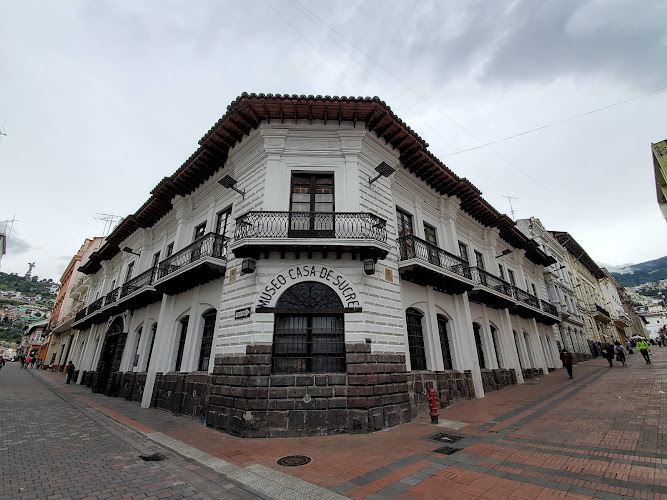
Museum of the City, or Museo de la Ciudad, is Quito’s social-history museum at García Moreno S1-47 and Rocafuerte, Centro Histórico, Quito 170405, Ecuador. It occupies the former Hospital San Juan de Dios, founded in 1565 and used for medical care until 1974. Opened as a museum in 1998, the complex combines accounts of everyday Quiteño life with cloistered courtyards, religious architecture, and the history of one of the city’s longest-running institutions.
What to Expect at Museum of the City
The permanent displays approach Quito through its inhabitants rather than a procession of presidents and battles. Follow the chronological route from the region’s early communities into Spanish colonial society and the transformations of the republican city. Reconstructed settings, objects, models, and interpretive displays explore domestic life, work, commerce, and social hierarchies. This is particularly rewarding before exploring the surrounding streets: the galleries give context to the churches, workshops, markets, and tightly packed houses outside.
The former hospital is equally important to the visit. Its arcaded cloisters, thick masonry walls, tiled roofs, and connected courtyards reflect successive alterations rather than a single architectural moment. Hospital-history interpretation examines care, religious service, and the people who lived or worked here. Start with the chronological galleries, then return to the hospital spaces and courtyards. Ask reception about facilitated visits and temporary exhibitions; staff-led interpretation can clarify the social histories that are less obvious from the architecture alone.
- Former Hospital San Juan de Dios: Explore a medical institution whose history stretches from 1565 to its closure in 1974.
- Everyday Quito: Discover how residents worked, traded, worshipped, and organized domestic life across different periods.
- Colonial and republican galleries: Follow changes in the city beyond its better-known monuments and political milestones.
- Arcaded courtyards: Pause beneath covered galleries and examine the old hospital’s masonry, rooflines, and circulation routes.
- Temporary programming: Check the day’s exhibitions and educational activities, which complement the permanent social-history route.
Museum of the City at a Glance
| Detail | Information |
|---|---|
| Address | García Moreno S1-47 and Rocafuerte, Quito 170405, Ecuador |
| Neighborhood / Area | Centro Histórico, beside the western end of La Ronda |
| Operating Hours | Monday–Tuesday closed; Wednesday–Friday 8:30 a.m.–4 p.m.; Saturday–Sunday 9 a.m.–5:30 p.m. |
| Admission / Price Range | Paid admission; budget tier ($). Check current ticket categories with the museum. |
| Recommended Visit Duration | 1.5 to 2 hours |
| Nearest Transit / Parking | Quito Metro Line 1: San Francisco; Trolebús: Santo Domingo. Municipal parking at La Ronda. |
| Official Website & Phone | Museo de la Ciudad official website; +593 2-381-3340 |
Visiting Tips, Getting There & Nearby Pairings
Arrive near opening on Wednesday, Thursday, or Friday for an unhurried circuit before lunch. Consult the official website for holiday schedules, current admission, and organized activities; groups should arrange interpretation ahead. From San Francisco station on Metro Line 1, allow roughly 5–10 minutes on foot through the historic center. Santo Domingo’s Trolebús stop is another useful approach. Drivers can use the municipal La Ronda parking facility rather than searching the narrow surrounding streets for curbside spaces.
Ask reception for the step-free route before beginning: this is a multilevel historic complex, and stone paving, thresholds, and changes of level matter for wheelchair users and strollers. Wear shoes with grip, and use courtyard pauses to pace yourself at Quito’s altitude. Confirm bag-storage and photography rules before entering galleries, especially temporary exhibitions, and ask whether the shop is open. Afterwards, walk directly to La Ronda for traditional food and artisan storefronts, continue about five minutes to Plaza Santo Domingo, or reach Plaza San Francisco in roughly ten minutes. These pairings keep the day compact without another taxi journey.
Frequently Asked Questions
What are the opening hours and best visiting times?
The museum opens Wednesday–Friday from 8:30 a.m. to 4 p.m. and weekends from 9 a.m. to 5:30 p.m.; Monday and Tuesday are closed. A weekday morning gives you time for both the galleries and a nearby lunch.
Is admission free, and should I reserve?
Regular admission is paid and falls in the budget sightseeing tier. Check current rates and any special-entry arrangements directly with the museum; contact staff ahead for school groups or facilitated visits.
How long should I spend inside?
Allow 1.5 to 2 hours for the permanent galleries, hospital history, and courtyards. Add time if you join an educational activity or want to examine a temporary exhibition closely.
Is it suitable for families and visitors with limited mobility?
Reconstructed settings and the courtyard breaks make this a manageable history stop for families. Visitors with limited mobility should discuss the accessible circuit with reception before tackling the building’s different levels; ordinary casual clothing is appropriate.
When planning your Quito travel guide or comparing verified attractions and museums in Quito, pair this stop with standout local spots including Museo Interactivo de Ciencia, De La Llama, Restaurante Casa Gangotena, and Calle La Ronda (0.2 km away).