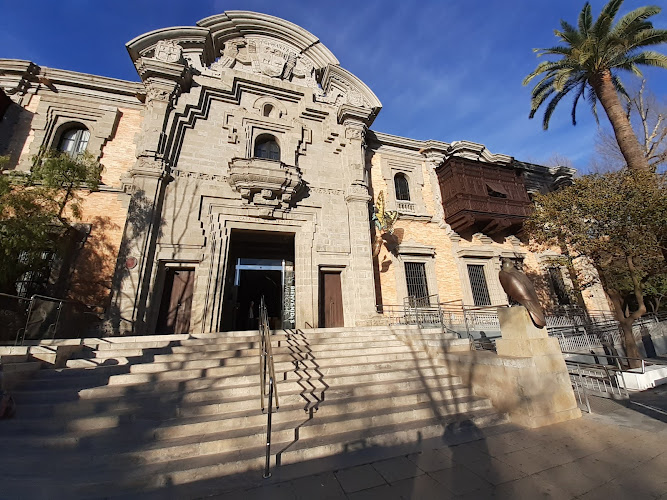
Parque de María Luisa is Seville’s landmark historic public park at P.º de las Delicias, s/n, 41013 Sevilla, Spain, along the Prado de San Sebastián and El Porvenir edge of the city centre. Created from gardens donated to the city in 1893 by Infanta María Luisa Fernanda, it was reshaped by French landscape architect Jean-Claude Nicolas Forestier for the 1929 Ibero-American Exposition. Travelers come for its palm-lined promenades, tiled fountains, romantic gardens, Plaza de España and the museum pavilions around Plaza de América.
What to Expect at Parque de María Luisa
The park combines formal Exposition-era design with denser, shady planting. Forestier’s plan uses long avenues, clipped hedges, orange trees, palms, pools and ceramic ornament to create changing views between gardens and monuments. Begin at the monumental Plaza de España, where Aníbal González’s 1929 semicircular complex frames a canal, four bridges representing Spain’s ancient kingdoms, and 48 tiled provincial alcoves. The plaza’s continuous gallery, brick towers and blue-and-white azulejos make it one of Seville’s defining architectural walks.
South of Plaza de España, Plaza de América gathers three more Exposition buildings: González’s Mudéjar Pavilion, home to the Museum of Popular Arts and Traditions; the Renaissance-style Archaeological Museum building; and the Royal Pavilion. The Popular Arts museum displays Andalusian ceramics, textiles, lacework, furniture, tools and traditional trades. Elsewhere, look for the tiled Glorieta de Bécquer, with its three marble women representing love, and the pond at Isleta de los Patos, where ducks and pigeons gather beneath mature trees.
- Plaza de España: Walk the canal, bridges and provincial tile benches beneath the sweeping 1929 gallery.
- Plaza de América: See the three contrasting Exposition pavilions and the landscaped square often called the Park of Doves.
- Glorieta de Bécquer: Find the poet’s monument, a ceramic-and-marble ensemble beneath a large cypress.
- Isleta de los Patos: Pause by the water and small island, one of the park’s quieter birdwatching spots.
- Forestier’s garden routes: Follow palm avenues, tiled fountains, rose beds and shaded side paths between the major plazas.
Parque de María Luisa at a Glance
| Detail | Information |
|---|---|
| Address | P.º de las Delicias, s/n, 41013 Sevilla, Spain |
| Neighborhood / Area | Prado de San Sebastián / El Porvenir, immediately south of Seville’s historic centre |
| Operating Hours | Daily, 8am–12am; check the official park page for seasonal or event-related changes |
| Admission & Ticket Prices | Free public admission; no park reservation required. Museums inside have separate entry rules and hours. |
| Recommended Visit Duration | 1.5 to 2.5 hours; allow longer for Plaza de España, museums or a relaxed walk |
| Nearest Transit / Parking | Prado de San Sebastián tram and transport interchange; paid public parking is available around Avenida del Cid and Paseo de las Delicias |
| Official Website / Phone | Seville City Council / +34 955 47 32 32 |
Visiting Tips, Getting There & Nearby Pairings
Arrive soon after the 8am opening for cooler temperatures, softer light and more room around Plaza de España; late afternoon is another good time in warmer months. The park itself is free and needs no advance booking. Reserve tickets separately only if you plan to enter a museum, and check its opening day before setting out. From the centre, the T1 tram to Prado de San Sebastián leaves an easy walk to Plaza de España and Plaza de América. Bus services also call at the Prado interchange; drivers should use surrounding paid garages rather than expect dedicated visitor parking inside the gardens.
Main avenues and the routes around Plaza de España are broad and generally level, making them the most practical choices for wheelchairs and strollers. Some smaller garden paths are compacted gravel, cobbled or uneven beneath tree roots, so a smooth, continuous circuit is not possible everywhere; the park has no elevators because it is an open landscape. Pair a visit with Plaza de España, the Museum of Popular Arts and Traditions, or the grand tobacco-factory façade of the University of Seville, all within roughly 5 to 15 minutes on foot. For a meal afterward, walk north toward the restaurants and tapas bars around Puerta de Jerez and Avenida de la Constitución.
Frequently Asked Questions
What are the best hours to visit Parque de María Luisa?
The park is listed as open daily from 8am to midnight. Go in the morning for quieter paths and lower heat, especially from late spring through early autumn. Check the City Council page before visiting, as access hours can change seasonally or for maintenance.
Does Parque de María Luisa charge admission or require reservations?
No. Entry to the park, its gardens, fountains and outdoor monuments is free, with no reservation. Plaza de España is also freely accessible. Museums in Plaza de América are separate institutions and may have their own admission conditions, schedules and security procedures.
How much time should I allow for the park?
Budget about two hours for Plaza de España, Plaza de América, Glorieta de Bécquer and a leisurely garden circuit. Allow three hours or more if you intend to visit the Museum of Popular Arts and Traditions or stop for photographs and a break by the ponds.
Is Parque de María Luisa suitable for families and wheelchair users?
Yes, families will find open promenades, water features and bird-filled ponds, although children should be supervised near canals and pools. Wheelchair users and stroller users should stay primarily on the wide paved routes and Plaza de España perimeter, avoiding rougher gravel and uneven secondary paths.
When planning your Seville travel guide or comparing verified attractions and parks in Seville, pair this stop with standout local spots including Setas de Sevilla, Sevilla Aquarium, Híspalis Fountain, and Museum of Popular Arts and Traditions, Sevilla (0.3 km away).