Editorial disclosure: This destinations.ai guide was prepared with AI assistance and checked against the official sources linked below. Accommodation and activity placeholders may use affiliate links; that does not change the planning advice.
Springfield, Illinois, is a rewarding Midwest city break when you want American history, walkable downtown landmarks, museums, and a practical base for central Illinois. Your visit centers on Abraham Lincoln’s Springfield years, from the home he lived in before the presidency to the places where he practiced law, served in public office, and was laid to rest.
You can cover Springfield’s essential Lincoln sites in two days, then add parks, Route 66 history, and nearby New Salem for a fuller three-day trip. The city is Illinois’s capital, so your itinerary also has room for the State Capitol, the Illinois State Museum, neighborhood restaurants, and a few slower hours in Washington Park or Oak Ridge Cemetery.
Key Takeaways
- Focus your first day on downtown Lincoln sites and the presidential museum.
- Stay downtown for walkability or near Interstate 55 for easy parking and road access.
- Visit in spring or fall for comfortable walking weather and park time.
Quick Answers and Trip Profile
Springfield works best as a two- or three-day destination centered on Lincoln history, state-government landmarks, museums, and easy driving around central Illinois.
You are visiting Springfield, Illinois, United States, the state capital at coordinates 39.78316716, -89.66079712. It is not Springfield, Missouri, Massachusetts, or another city with the same name. Start with the city’s Springfield, Illinois destination page when you want a quick orientation before choosing lodging and attractions.
- Best for: History travelers, families, Route 66 road trippers, museum visitors, and weekend getaways.
- Ideal length: Two full days for major landmarks; three days for New Salem, parks, and a slower pace.
- Best base: Downtown for Lincoln sites and restaurants, or the Interstate corridor when you are driving onward.
- Nearest airport: Abraham Lincoln Capital Airport, west of downtown.
- Car needed: Helpful for airport transfers, Oak Ridge Cemetery, Lincoln’s New Salem, and regional day trips.
- Walkability: Strong within downtown’s historic core; limited between outlying attractions.
- Signature food: The Horseshoe sandwich, an open-faced sandwich served with fries and cheese sauce.
The city’s compact center rewards a route built around geography. Begin near the Abraham Lincoln Presidential Library and Museum, walk to the Old State Capitol and Lincoln-Herndon Law Offices, then continue through the preserved Lincoln Home neighborhood. Save Oak Ridge Cemetery and its Lincoln Tomb for a separate drive or rideshare trip.
Best Things to Do in Springfield, Illinois, United States
Springfield’s essential experiences trace Abraham Lincoln’s life before, during, and after his presidency, with the presidential museum and Lincoln Home as your priority stops.
Begin at the Abraham Lincoln Presidential Library and Museum. The museum uses immersive galleries, artifacts, theatrical presentation, and temporary exhibitions to interpret Lincoln’s life and the Civil War era. Give yourself several hours, especially if you want time for both the museum galleries and the library’s public areas. Confirm admission policies, accessibility details, and daily operating hours before arrival.
Next, visit Lincoln Home National Historic Site. The National Park Service preserves Lincoln’s restored home at Eighth and Jackson Streets along with the surrounding historic neighborhood. Timed entry or tour procedures may apply, so check the official park information before you set out. The neighborhood streets are worth walking even when you have a short visit.
Add these stops to your downtown route:
- Old State Capitol: See the reconstructed building where Lincoln gave his 1858 “House Divided” speech and where his body lay in state in 1865.
- Lincoln-Herndon Law Offices: Visit the building associated with Lincoln’s law partnership with William H. Herndon.
- Illinois State Capitol: Tour the current statehouse and look up into its striking dome.
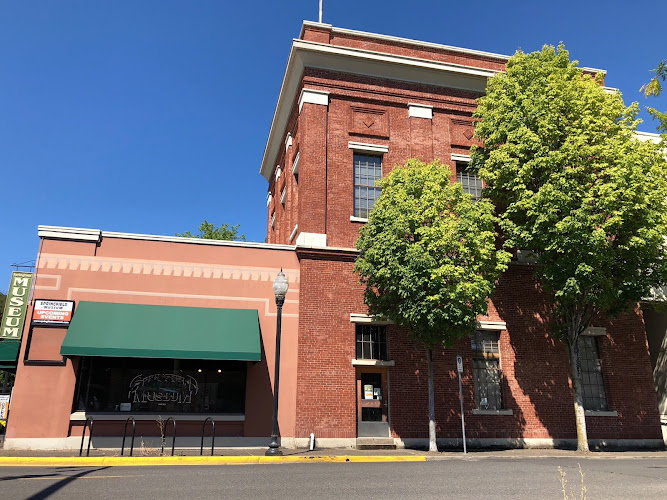
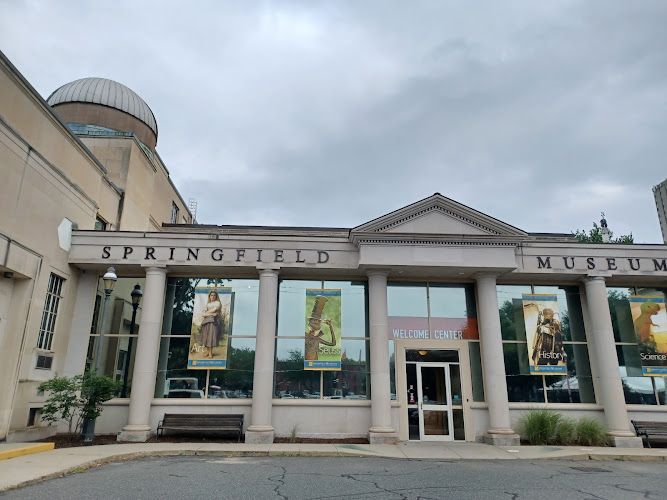
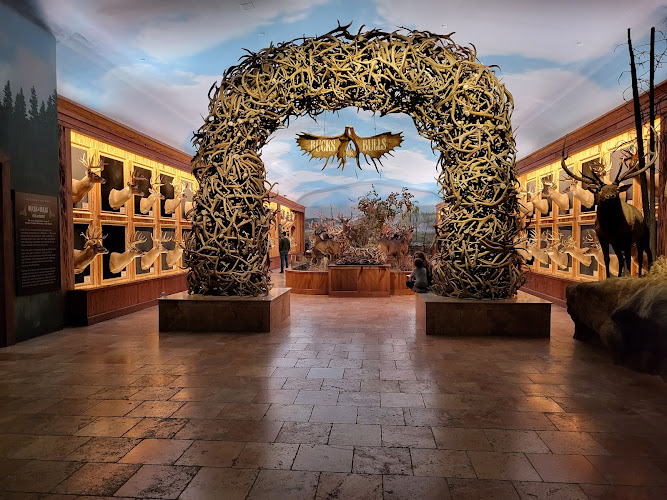
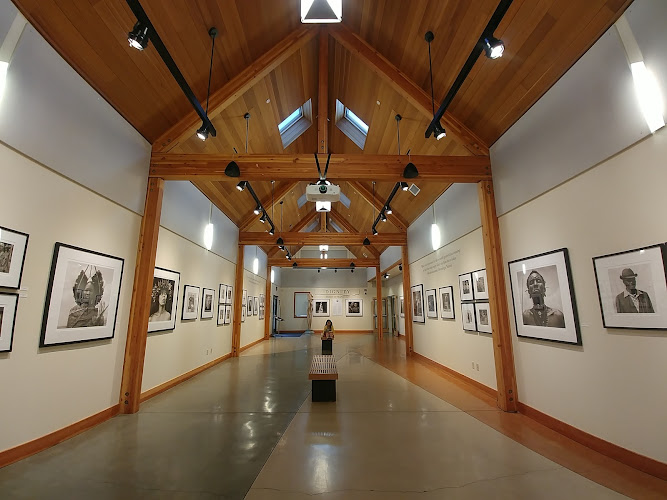
- Illinois State Museum: Pair natural history, anthropology, art, and Illinois culture in one stop. The Illinois State Museum guide is useful when you are fitting it around the Capitol district.
- Lincoln Tomb State Historic Site: Pay respects at Lincoln’s burial place in Oak Ridge Cemetery, where Mary Todd Lincoln and three of their sons are also interred.
- Route 66 attractions: Look for the Route 66 Drive In sign, the Lauterbach Giant, and vintage roadside architecture as you explore the city by car.
For a history-focused trip, prioritize quality time inside fewer sites. You will get more from the Lincoln Home, presidential museum, Old State Capitol, and tomb than from rushing through every marker in a single afternoon.
History, Culture, and Local Character
Springfield gives you a close view of Lincoln’s working life, Illinois politics, and the civic institutions that grew around the state capital.
Lincoln arrived in Springfield in 1837 and lived here until leaving for Washington in 1861. His Springfield years included his marriage to Mary Todd, legal work, service in the Illinois legislature, and national political rise. That concentration of places explains why the city is central to any Lincoln-themed journey through Illinois.
Use the downtown historic district as a walking classroom. The Old State Capitol, law offices, Lincoln Home neighborhood, and presidential museum tell related chapters, yet each has a different purpose. The museum provides broad context; the home grounds the story in domestic life; the Capitol and law offices show Lincoln’s public and professional world.
Springfield’s local character also comes from its role as a working capital. On weekdays, government offices, lobbyists, students, museum visitors, and local residents share the downtown streets. You will find a more lived-in atmosphere than at a single-purpose historic village.
For additional cultural time, consider the Dana-Thomas House, designed by Frank Lloyd Wright, and the Illinois State Museum. The Springfield museums collection helps you compare options when your interests extend beyond Lincoln. Check each attraction’s current tour schedule, since guided tours and special exhibitions change.
A useful way to pace your trip is to alternate indoor interpretation with outdoor sites. Spend a museum morning indoors, then walk the Lincoln Home neighborhood or visit the tomb during the later part of the day.
Neighborhoods, Parks, and Outdoor Activities
Downtown is your most convenient sightseeing neighborhood, while Washington Park and Oak Ridge Cemetery provide the city’s most appealing green spaces.
Stay near downtown if you want to walk between the Abraham Lincoln Presidential Library and Museum, Old State Capitol, Lincoln-Herndon Law Offices, the Governor’s Mansion area, restaurants, and several hotels. Blocks around the Capitol feel busiest during business hours, while the historic district offers a quieter pace for an evening stroll.
Washington Park is a good change of scene after museum time. You can walk paved paths, see the botanical garden and carillon area, or plan a casual picnic. Check local schedules for garden access, carillon performances, and seasonal programming before building a visit around them.
Oak Ridge Cemetery combines landscape, memorial architecture, and presidential history. Lincoln Tomb is the reason most visitors come, though the cemetery itself also rewards a slow walk. Wear comfortable shoes and allow extra time for the slope and distance between parking areas and memorials.
For a larger outdoor excursion, drive about 20 miles northwest to Lincoln’s New Salem State Historic Site near Petersburg. The reconstructed village interprets the frontier community where Lincoln lived as a young man in the 1830s. It fits naturally with a Springfield stay because it provides the earlier chapter missing from downtown’s presidential-era sites.
If you are planning a Route 66 drive, use Springfield as a rest stop between Chicago and St. Louis. The city’s roadside landmarks are spread out, so a car gives you the most efficient route. Build in time for parking, photographs, and a meal before returning to the downtown core.
Where to Stay and What to Eat
Choose downtown for a walkable Lincoln itinerary, or book near Interstate 55 and Interstate 72 when you want straightforward driving access and plentiful parking.
Downtown hotels put you close to the presidential museum, Old State Capitol, restaurants, and evening walks around the historic core. This area suits you if your trip is built around tours and you prefer leaving your car parked for much of the day. Ask your hotel about parking fees, overnight access, and accessible room features before reserving.
Hotels near the interstate corridors suit road trips, families carrying more gear, and visitors heading out to Lincoln’s New Salem or other central Illinois destinations. You will need to drive or arrange rides into downtown, so factor that travel time into dinner and tour reservations.
Springfield’s food identity begins with the Horseshoe sandwich. It is an open-faced sandwich, commonly built on toast with meat, fries, and cheese sauce. You will see variations such as the smaller Ponyshoe, plus versions using ham, turkey, burger patties, or vegetarian fillings. Portions are substantial, so sharing works well when you also want dessert or another local specialty.
Look for locally owned diners, taverns, bakeries, and downtown restaurants around the Capitol district. For a more flexible meal plan, have a Horseshoe at lunch, then choose a lighter dinner after a museum-heavy day. Confirm current hours and reservations directly with restaurants, especially on Sunday evenings and during major events.
Your lodging choice should reflect your transportation plan. Downtown supports walking; the interstate area supports driving; airport-area properties work well for an early flight or a one-night stop.
How to Get There and Get Around
You can reach Springfield by air, highway, rail, or intercity bus, and a car gives you the most freedom beyond downtown.
Abraham Lincoln Capital Airport serves Springfield, with rental cars available at or near the airport. The airport is a short drive from downtown, though flight schedules and nonstop destinations change. Check your airline and the airport before booking connections.
Interstate 55 links Springfield with Chicago to the north and St. Louis to the south. Interstate 72 connects the city east and west, making Springfield an easy overnight stop on a longer Illinois road trip. Downtown parking is available in garages, lots, and on streets, though you should read posted limits and payment instructions closely.
Amtrak service connects Springfield with Chicago and St. Louis on the Lincoln Service route. The station is near downtown, allowing you to begin a Lincoln-focused visit without renting a car. Train schedules vary by day, so reserve early for peak travel dates.
Within downtown, walk between the presidential museum, Old State Capitol, Lincoln-Herndon Law Offices, and Lincoln Home National Historic Site. The distances are manageable, and walking helps you notice public art, historic plaques, government buildings, and storefronts.
For Oak Ridge Cemetery, Washington Park, Lincoln’s New Salem, airport transfers, and Route 66 landmarks, use your own car, a rental, taxi service, or rideshare. Local bus service can help with selected trips, though it is less convenient for a sightseeing itinerary with a tight timetable. Review current routes, fares, service hours, and holiday changes before relying on transit.
Best Time to Visit and Seasonal Planning
Spring and fall give you the most comfortable conditions for walking Springfield’s historic districts, parks, and cemetery grounds.
April through May brings flowering landscapes and variable temperatures. Pack a rain layer, comfortable waterproof shoes, and a second layer for cool mornings. Spring weekends can be busy around school trips and Lincoln-focused programming.
September through October offers pleasant walking weather, changing foliage, and a good setting for Washington Park or Lincoln’s New Salem. This is an appealing period for a Route 66 road trip, especially if you are continuing toward St. Louis or Chicago.
Summer brings warm, humid conditions. Schedule outdoor walking early, use the middle of the day for the presidential museum or Illinois State Museum, and carry water. Summer also brings festivals, concerts, and family travel, so reserve hotels and popular tours well ahead.
Winter offers quieter museums and lower visitor volumes, with cold temperatures and the possibility of snow or ice. Your trip still works well if you focus on indoor sites and keep driving plans flexible. Check attraction closures around holidays and severe-weather advisories before leaving your hotel.
Weather shifts quickly in central Illinois, so pack for layers in every season. For more general trip-timing advice, use this guide to the best time of year for travel alongside current Springfield forecasts and attraction calendars.
A Practical Two- or Three-Day Itinerary
A two-day Springfield itinerary covers the principal Lincoln landmarks, while a third day adds Lincoln’s New Salem and relaxed local exploration.
Day 1: Downtown Lincoln and state capital history
- Start at the Abraham Lincoln Presidential Library and Museum and allow several hours for the main galleries.
- Walk to the Old State Capitol and Lincoln-Herndon Law Offices.
- Have lunch downtown, with a Horseshoe if you want the city’s signature dish.
- Visit Lincoln Home National Historic Site in the afternoon. Reserve or arrive according to current entry procedures.
- End with dinner near downtown, then walk around the Capitol district if the weather is pleasant.
Day 2: Lincoln Tomb, architecture, and museums
- Begin at Lincoln Tomb State Historic Site in Oak Ridge Cemetery.
- Visit the Dana-Thomas House if a tour time fits your schedule.
- Tour the Illinois State Capitol or explore the Illinois State Museum.
- Spend the later afternoon in Washington Park, especially if you want a break from indoor exhibits.
- Use the evening for local dining, live music, or a quiet downtown meal.
Day 3: New Salem and Route 66
- Drive to Lincoln’s New Salem State Historic Site near Petersburg.
- Return to Springfield for lunch and browse Route 66 landmarks by car.
- Choose one attraction you missed, such as the Governor’s Mansion area, a museum exhibit, or extra time at the presidential library.
- Reserve your final evening for a restaurant you missed on the first two nights.
Keep the third day flexible if you are traveling with children or arriving by car from Chicago or St. Louis. A road trip planning framework is useful when Springfield is one stop among several Illinois destinations.
Costs, Safety, Accessibility, and Reservations
Springfield gives you some control over trip costs because many historic areas are free to walk. Museum admission, tours, dining, and lodging will shape the final budget.
Build your budget around four categories: transportation to Springfield, hotel nights, paid attractions, and meals. Hotel prices change with legislative activity, conventions, university events, weekends, and seasonal demand. Compare the total nightly cost after parking and taxes, especially when choosing between downtown and interstate properties.
Several major experiences include free exterior grounds or low-cost sightseeing, such as walking the Lincoln Home neighborhood, viewing the Old State Capitol exterior, exploring Capitol grounds, and visiting cemetery grounds. Admission prices and ticket rules vary by attraction, so verify them directly before traveling. Don’t assume that a free historic site includes unrestricted entry to the house.
Springfield is a manageable city for visitors who follow normal urban travel habits. Keep valuables out of sight in parked cars, lock vehicles at trailheads and hotels, stay aware after dark, and use well-lit routes between downtown destinations. Call emergency services through 911 when you need immediate help.
Accessibility varies by historic building. The presidential museum, state museum, Capitol, Lincoln Home grounds, Lincoln Tomb, and Dana-Thomas House have different entrance arrangements, elevators, restrooms, surface conditions, seating, and service-animal procedures. Contact each attraction before arrival if you use a wheelchair, need captioning, require sensory accommodations, or need a tour modified for mobility needs.
Reserve ahead for the presidential museum during busy weekends, guided home or architecture tours, special exhibitions, and popular restaurants. Use the official Springfield visitors guide request page for current visitor information, then confirm time-sensitive details with each venue.
Sources and Current Planning Links
Use official attraction pages and current visitor information to confirm dates, hours, admission, tours, parking, accessibility, and weather before you travel.
- Request the current Springfield, Illinois visitors guide for local maps, attractions, lodging, dining, and event information.
- Browse Springfield travel planning ideas for additional trip inspiration, then verify operating details directly with each attraction.
- Check the Lincoln Home National Historic Site overview before your visit, especially for current access procedures.
- Review a broader list of Springfield, Illinois attractions when you have time beyond the major Lincoln sites.
- Use the Illinois travel destination guide to organize the locations in your itinerary.
Frequently Asked Questions
Springfield is especially strong for Lincoln history, family museums, short road trips, and a compact downtown visit. Plan around the presidential museum, Lincoln Home, Old State Capitol, Lincoln Tomb, and at least one outdoor or Route 66 stop.
Is Springfield, Illinois worth visiting?
Springfield is worth visiting if you want to experience the most important places connected to Abraham Lincoln’s adult life before the White House. You can combine nationally significant historic sites with the Illinois State Capitol, museums, Frank Lloyd Wright architecture, Route 66 landmarks, and approachable local dining in a two- or three-day stay.
What can families do in Springfield, Illinois?
Families can visit the Abraham Lincoln Presidential Library and Museum, walk the Lincoln Home neighborhood, explore the Illinois State Museum, spend time in Washington Park, and visit Lincoln’s New Salem. Build in outdoor breaks between museums, since younger travelers often enjoy the preserved streets, open lawns, and hands-on elements more than a full day of historic interpretation.
What day trips can you take from Springfield, Illinois?
Lincoln’s New Salem State Historic Site near Petersburg is Springfield’s strongest day trip because it interprets Lincoln’s early adult years in a reconstructed 1830s village. You can also drive the Route 66 corridor toward Atlanta, Illinois, or continue south toward St. Louis when Springfield is part of a longer road trip.
How much does a trip to Springfield, Illinois cost?
Your Springfield trip cost is driven by transportation, hotel rates, meals, paid museum entry, and any guided-tour tickets. Keep costs lower by walking the downtown historic district, using free public grounds, booking lodging before busy state-government or convention dates, and checking attraction admission policies before departure.
What are the best museums in Springfield, Illinois?
The Abraham Lincoln Presidential Library and Museum is the leading choice for exploring Lincoln’s life, the Civil War, and his presidency. The Illinois State Museum adds natural history, anthropology, art, and Illinois culture. For something different, the Dana-Thomas House offers an architecture-focused visit centered on a Frank Lloyd Wright design.
Affiliate placeholder: Compare accommodation options after checking the official property details, location, and cancellation terms.
Affiliate placeholder: Check current activity availability, meeting points, accessibility, and cancellation terms before reserving.