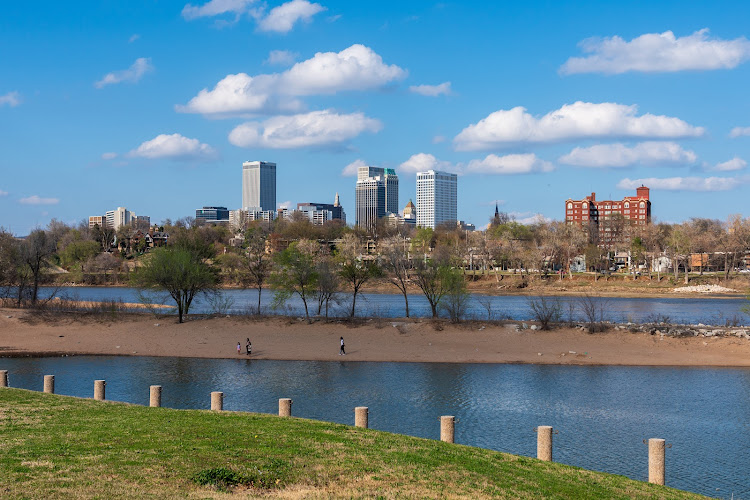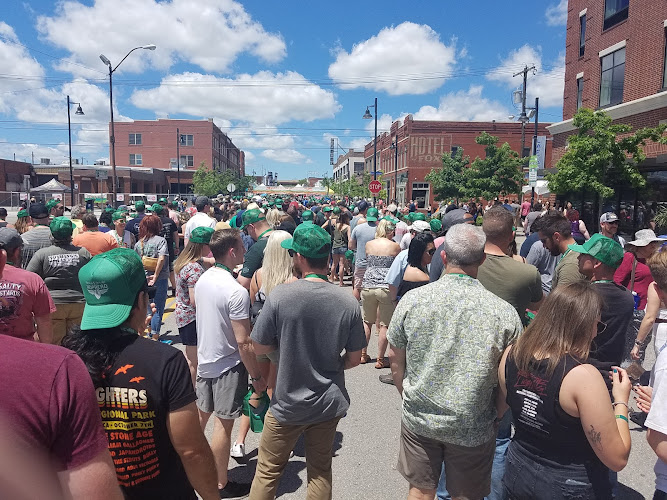
The Tulsa Arts District is downtown Tulsa’s walkable cultural quarter, centered on East Reconciliation Way at Guthrie Green, 111 E Reconciliation Way, Tulsa, OK 74103. Built among early-20th-century warehouse blocks shaped by Tulsa’s oil-era growth, it draws travelers for live music at Cain’s Ballroom and Tulsa Theater, museum collections devoted to Woody Guthrie and Bob Dylan, independent galleries, public art, and destination dining.
What to Expect at The Tulsa Arts District
Begin at Guthrie Green, the 2.7-acre public park that transformed a former industrial loading area into the district’s outdoor living room in 2012. Its lawn, performance stage, shaded seating, splash fountain, and programmed yoga, concerts, films, and markets make it a useful anchor before branching along Reconciliation Way and North Main Street. The surrounding brick warehouses, painted murals, and restored storefronts preserve the scale of old commercial Tulsa while accommodating contemporary cultural spaces.
The district’s strongest cultural route pairs the Woody Guthrie Center, whose archives and interactive galleries examine the Oklahoma-born songwriter’s music, Dust Bowl-era activism, and “This Machine Kills Fascists” guitar, with the Bob Dylan Center. The Dylan museum presents rotating selections from the Bob Dylan Archive, including handwritten lyrics, notebooks, photographs, recordings, and film material. For performance history, Cain’s Ballroom recalls Bob Wills and the Texas Playboys’ Western-swing broadcasts of the 1930s, while the 1914 Tulsa Theater brings touring concerts and comedy to an ornate, atmospheric auditorium.
- Guthrie Green: A free downtown park with a lawn, stage, fountain, public programs, and room to pause between museums or meals.
- Woody Guthrie Center: Immersive displays on Guthrie’s Oklahoma roots, folk music, social justice work, and extensive archival legacy.
- Bob Dylan Center: A focused museum experience built around the songwriter’s archive, with changing exhibitions that reward repeat visits.
- Cain’s Ballroom: The storied 1930-era dance hall where Bob Wills helped define Western swing; see the event calendar before planning an evening.
- Tulsa Theater: A historic downtown performance venue, originally opened in 1914, known for its elaborate interior and touring live shows.
The Tulsa Arts District at a Glance
| Detail | Information |
|---|---|
| Address | East Reconciliation Way corridor, centered at Guthrie Green, 111 E Reconciliation Way, Tulsa, OK 74103 |
| Neighborhood / Area | Downtown Tulsa, immediately north of the Blue Dome District and west of Greenwood |
| Operating Hours | Public streets are open daily; Guthrie Green is generally open 6am–11pm. Museum, gallery, retail, and performance hours vary by venue and event. |
| Admission / Price Range | Free to explore the district and Guthrie Green; museums, concerts, drinks, and restaurants are separately priced. |
| Recommended Visit Duration | 2 to 4 hours by day; allow a full afternoon and evening for museums, dinner, and a show. |
| Nearest Transit / Parking | Downtown Tulsa Transit service and the Denver Avenue Station are nearby; use metered street spaces or paid downtown garages for events. |
| Official Website & Phone | thetulsaartsdistrict.org; there is no single district phone line—contact individual venues for tickets and hours. |
Visiting Tips, Getting There & Nearby Pairings
Arrive in late morning for a quieter museum visit, then build outward from Guthrie Green. Purchase tickets in advance for Cain’s Ballroom and Tulsa Theater when a desired show is announced; both can fill quickly. The Woody Guthrie Center and Bob Dylan Center are compact but information-rich, so reserve at least 60 to 90 minutes for each if you enjoy listening stations and archival material. Check each institution’s current photography, bag, and timed-entry policies before arrival.
Downtown blocks are easy to cover on foot, though event nights make parking tighter. Paid garages and metered curbside parking are practical choices; read posted restrictions carefully. Guthrie Green has paved paths and level lawn areas suitable for wheelchairs and strollers, and the Woody Guthrie Center and Bob Dylan Center provide accessible museum circulation. For nearby pairings, walk five minutes to the historic Cain’s Ballroom, explore the Greenwood District and Greenwood Rising History Center about 10 to 15 minutes east, or continue south toward Blue Dome bars and restaurants. Individual performance halls and older storefronts can have distinct entry arrangements, so call ahead for seating or mobility needs.
Frequently Asked Questions
When is the best time to visit the Tulsa Arts District?
The district itself is accessible throughout the day, while Guthrie Green is generally open from 6am to 11pm. Late morning is best for galleries and museums; arrive early before an evening concert or theater performance to park, dine, and explore without rushing.
Does the Tulsa Arts District charge admission?
Walking the district and using Guthrie Green are free. The Woody Guthrie Center, Bob Dylan Center, ticketed performances, dining, and drinks have separate charges, so buy museum or show tickets directly through the relevant official venue.
How much time should I budget?
Allow two to four hours for Guthrie Green, a museum, public art, and a meal. Plan a half-day or longer if visiting both music museums, browsing galleries, and attending a Cain’s Ballroom or Tulsa Theater event.
Is the district suitable for families and visitors with mobility needs?
Yes, especially for families combining the green space with daytime museum visits. Guthrie Green’s paved circulation and open lawn work well for strollers and wheelchairs, while accessible entry and seating policies should be confirmed directly with museums and performance venues.
When planning your Tulsa travel guide or browsing verified attractions in Tulsa, pair this stop with standout local spots including Hard Rock Hotel And Casino Tulsa, Woodward Park and Gardens, Gilcrease Museum, and Woody Guthrie Center (nearby).