Tulsa Historical Society & Museum is a local-history museum at 2445 S Peoria Avenue, Tulsa, Oklahoma 74114, in the Woodward Park area south of downtown. Founded in 1963, the historical society explores the people, businesses, architecture, and conflicts that shaped Tulsa. Its home incorporates the 1919 Samuel Travis mansion, giving visitors both eight exhibition galleries and a physical connection to the city’s oil-era prosperity.
What to Expect at Tulsa Historical Society & Museum
The museum favors changing exhibitions over a fixed sequence of permanent wings. Historical photographs, documents, clothing, household objects, and commercial memorabilia illuminate different periods of Tulsa’s development. The society’s photographic resources include the Beryl Ford Collection, an extensive visual record of streets, buildings, transportation, and everyday life. Look closely at street scenes: they make the transformation from an early settlement to an oil-industry city particularly legible. Begin with the introductory historical material, then follow the galleries in order before returning to subjects that catch your interest.
The mansion’s Italian Renaissance Revival character adds another layer to the visit, contrasting a wealthy family’s domestic setting with the museum’s broader civic story. Outside, the grounds’ signature artwork is The Five Moons, honoring five Native American ballerinas with Oklahoma connections. Tulsa’s history also requires attention to Greenwood and the 1921 Tulsa Race Massacre; the society maintains substantial digital resources on that subject through its official website. A small museum shop provides another way to pursue local history through books and Tulsa-related gifts.
- Eight galleries: Rotating exhibitions examine local people, institutions, neighborhoods, and material culture rather than one unchanging display.
- Samuel Travis mansion: The 1919 residence places the museum within Tulsa’s early twentieth-century oil-boom landscape.
- The Five Moons: Bronze figures honor Maria Tallchief, Marjorie Tallchief, Yvonne Chouteau, Rosella Hightower, and Moscelyne Larkin.
- Historical photography: Collections preserve views of vanished buildings, changing streetscapes, businesses, and residents across generations.
- Garden and museum shop: Combine the indoor galleries with outdoor sculpture and a browse through regional-history publications.
Tulsa Historical Society & Museum at a Glance
| Detail | Information |
|---|---|
| Address | 2445 S Peoria Avenue, Tulsa, OK 74114 |
| Neighborhood / Area | Woodward Park area, south of downtown |
| Operating Hours | Tuesday–Saturday, 10 a.m.–4 p.m.; closed Sunday and Monday. Check holiday closures. |
| Admission / Price Range | Paid admission; budget-friendly ($). Check the official website for current rates and concessions. |
| Recommended Visit Duration | 60–90 minutes, including the garden sculpture |
| Nearest Transit / Parking | MetroLink Tulsa AERO Route 700 on Peoria Avenue; on-site visitor parking |
| Official Website & Phone | Tulsa Historical Society & Museum; +1 918-712-9484 |
Visiting Tips, Getting There & Nearby Pairings
Arrive around the 10 a.m. opening on a weekday for an unhurried reading-focused visit, and leave time before the 4 p.m. closing for the grounds. Check current exhibitions and contact the museum ahead for group visits, guided-tour arrangements, or research appointments; archival research is different from a general gallery visit. Keep bulky luggage elsewhere, and ask at reception about photography and any bag-storage arrangements before entering. Walking through the galleries independently works well for visitors who prefer to choose their own pace.
Drivers can use the museum’s on-site parking rather than searching downtown garages. AERO Route 700 follows Peoria Avenue; check the official transit planner for the appropriate stop and return service. The museum has wheelchair-accessible exhibition access; ask staff to direct you to the step-free approach from the parking area, and allow extra time for outdoor paths. Nearby, pair the museum with Woodward Park, the Tulsa Rose Garden, and the Tulsa Garden Center in the David R. Travis mansion, all roughly five to fifteen minutes away on foot. Use designated crossings on busy Peoria Avenue.
Frequently Asked Questions
What are the hours, and when should I visit?
The museum opens Tuesday through Saturday from 10 a.m. to 4 p.m. and closes Sunday and Monday. A weekday morning leaves ample time for the galleries and nearby gardens; check holiday schedules before traveling.
Is admission free, and do I need a reservation?
Plan for paid, budget-friendly admission and consult the official website for current ticket categories. Contact the museum directly to arrange school visits, organized groups, guided visits, or access to research materials.
How much time should I allow?
Allow 60–90 minutes for the eight galleries, shop, and Five Moons sculpture. Readers who study exhibition labels closely should reserve longer, especially when adding Woodward Park afterward.
Is the museum suitable for families and wheelchair users?
Wheelchair-accessible exhibition access makes the indoor museum a practical option, while outdoor routes merit separate planning. Families will get most from the photographs, recognizable everyday objects, and sculpture; this is primarily a history museum rather than an interactive children’s attraction.
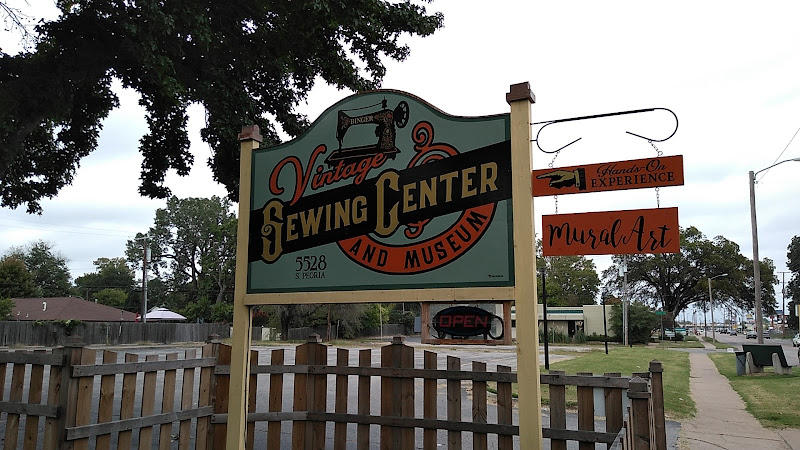
When planning your Tulsa travel guide or comparing verified attractions and museums in Tulsa, pair this stop with standout local spots including Tulsa Air and Space Museum & Planetarium, Vintage Sewing Machine Museum, Center of the Universe, and Woodward Park and Gardens (0.4 km away).