Editorial disclosure: This destinations.ai guide was prepared with AI assistance and checked against the official sources linked below. Accommodation and activity placeholders may use affiliate links; that does not change the planning advice.
Utica, New York, rewards you with an easygoing Mohawk Valley escape shaped by immigrant cooking, industrial history, performing arts, and access to Central New York’s waterways and hills. Downtown sights sit close together, while the Erie Canal corridor, Oneida County attractions, and Adirondack routes give you reasons to extend your stay.
You can see Utica’s principal cultural sites, eat its signature dishes, and explore nearby outdoor destinations comfortably in two or three days. The city is at its best when you build a trip around a museum visit or show, a local meal, and time beyond downtown.
Key Takeaways
- Plan two days for downtown culture and local food, plus a third for regional scenery.
- Stay near downtown or the Interstate 90 corridor for the most convenient base.
- Book performances, rail excursions, and peak-season lodging before you arrive.
Quick Answers and Trip Profile
Utica is a worthwhile short-break destination for you if you enjoy regional food, historic architecture, art, and low-key access to the Mohawk Valley. It is Oneida County’s seat and largest city, positioned along the Mohawk River and Erie Canal corridor in Central New York.
- Best trip length: Two days for the city, three days with a day trip.
- Best base: Downtown for Union Station, the Stanley Theatre, restaurants, and walkable architecture; the commercial area near Interstate 90 for driving convenience.
- Best for: Couples, families, rail travelers, theatergoers, food-focused weekends, and road trips.
- Primary arrival point: Utica’s Union Station at the Boehlert Transportation Center.
- Car need: Optional for downtown, useful for the zoo, parks, suburbs, and regional day trips.
Utica sits roughly between Syracuse and Albany on the New York State Thruway, which makes it a practical stop on an upstate route. You will find a compact downtown core, then residential districts and suburban destinations spreading west and south.
For a quick orientation before booking, use this overview of Utica, NY alongside current attraction calendars. Build your days around fixed-time activities first, especially a Stanley performance or a scheduled scenic train.
Best Things to Do in Utica, New York
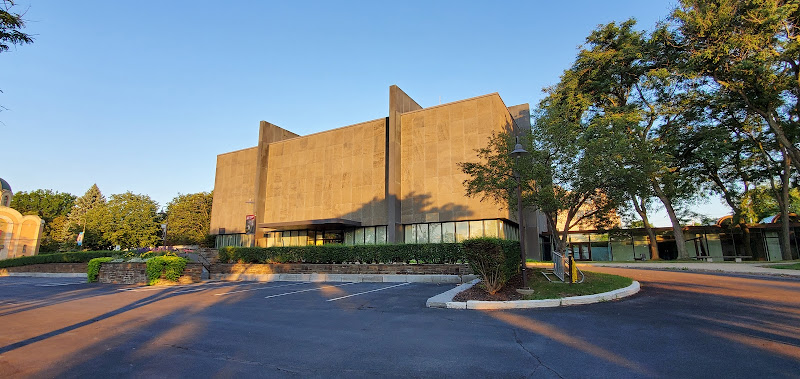
Utica’s strongest attractions combine visual arts, ornate entertainment venues, family activities, and railroad heritage. Start with the Munson-Williams-Proctor Arts Institute, whose Museum of Art has 20 galleries and a collection spanning American and European painting and decorative arts.
Set aside unhurried time for the galleries and grounds at Munson-Williams-Proctor. The campus offers a more substantial museum stop than you might expect in a city of this scale, and exhibition schedules determine how long you will want to stay.
For an evening outing, see what is scheduled at the Stanley Theatre. Opened in 1928, its elaborate Mexican Baroque-inspired interior is worth seeing as part of the event experience. Confirm doors, bag rules, accessible seating, and ticket delivery requirements directly with the venue before purchase.
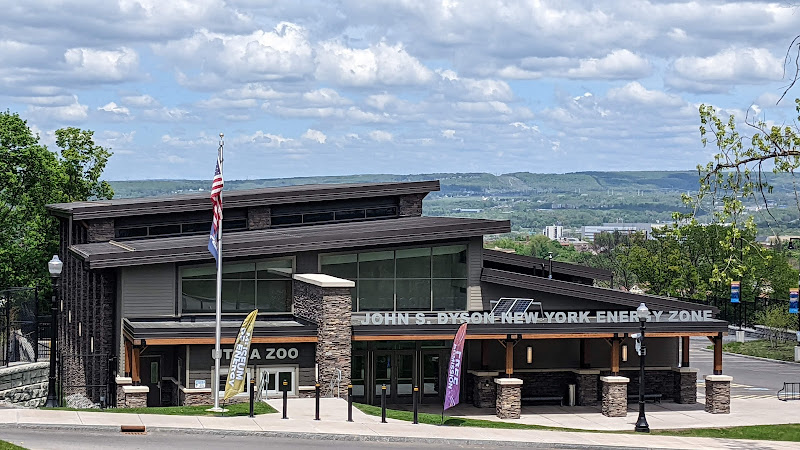
Families should add the Utica Zoo, especially when you want an outdoor activity that fits into a half day. Check seasonal operating information before setting your schedule, since animal encounters, programming, and hours change through the year.
Union Station is another essential stop. The Italianate station was built between 1912 and 1914 and remains both an active transportation hub and an impressive piece of civic architecture.
Step inside even if you arrive by car, then explore Downtown Utica on foot for murals, restaurants, and older commercial blocks.
If seasonal Adirondack Scenic Railroad trips are operating during your dates, reserve early. Their departure point and routes vary by excursion, so treat the railroad’s current calendar as the deciding detail for your plan.
History, Culture, and Local Character
Utica’s character comes from its place on the Mohawk Valley transportation corridor and from successive communities that shaped its food, neighborhoods, faith institutions, and arts scene. The Erie Canal and the Mohawk River helped connect the city to wider markets, while nineteenth-century manufacturing, especially textiles, drove its industrial growth.
You can trace parts of that story through architecture downtown and along Genesee Street. For deeper context, the Oneida County Historical Society maintains museum and research collections focused on regional history and genealogy; call ahead if archival research is part of your visit.
Utica also played a role in abolitionist organizing and the Underground Railroad. A one-mile self-guided Underground Railroad walking tour identifies key local sites.
Give yourself extra time to read the interpretive material, since the significance lies in the stories behind buildings that can look ordinary from the street.
The city’s food culture reflects Italian American traditions alongside the influence of refugee and immigrant communities from many parts of the world. You will notice that local menus range from old-school neighborhood specialties to Bosnian, Middle Eastern, Vietnamese, Caribbean, and other cuisines.
Ask restaurant staff about house specialties and availability, particularly when you are seeking regional dishes made in limited batches.
Community arts extend beyond major institutions. Sculpture Space, founded in 1975 in a former industrial building, hosts professional sculptor residencies, while Players of Utica has staged community theater since 1913. Event availability varies, so check current public programs before including either in a fixed itinerary.
Neighborhoods, Parks, and Outdoor Activities
Downtown and nearby residential districts provide the most rewarding walking, while a car expands your access to parks, waterways, and Oneida County recreation. Begin downtown around Union Station, Genesee Street, and the cultural institutions, where you can cover several blocks without moving your vehicle.
For a quieter urban walk, head toward the area around Munson-Williams-Proctor and the city’s older residential streets. You will see a mix of late nineteenth- and early twentieth-century homes, institutional buildings, and mature trees.
Keep your route purposeful after dark and return to well-lit corridors.
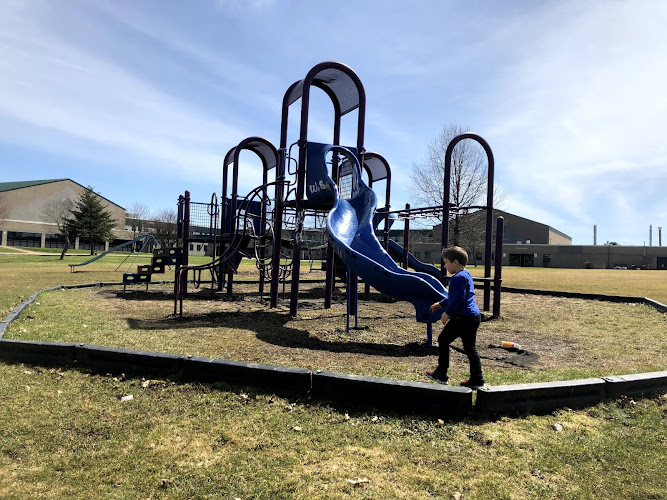
Utica’s Parks and Recreation system includes neighborhood parks, ball courts, playgrounds, spray pools, and three public swimming pools. Check the Utica Parks and Recreation information for current seasonal facilities and park locations before packing swim gear or planning a picnic.
For a larger outdoor day, use Utica as a gateway to the Mohawk Valley, Oneida Lake country, and Adirondack foothills. Oneida County promotes opportunities for hiking, fishing, skiing, snowmobiling, lakes, and trails through its regional outdoor recreation listings.
Conditions change quickly in winter and during wet weather, so choose footwear for mud, snow, or uneven paths when your route calls for it.
The Erie Canal corridor is especially appealing for a scenic drive, cycling stop, or waterside walk. Bring a printed or downloaded map if you will be outside central Utica, because rural trailheads and canal-side facilities do not all have the same services.
Where to Stay and What to Eat
Choose downtown lodging when you want to walk to restaurants and performances, or choose the Thruway area when your trip centers on driving and regional exploration. Downtown gives you the strongest sense of place, particularly if you are attending a show at the Stanley Theatre or arriving by train.
The historic DoubleTree by Hilton Utica is a convenient downtown option to consider for theater plans and central sightseeing. Near the Interstate 90 corridor, the Hampton Inn Utica suits you if you value highway access and a simpler drive to New Hartford, Rome, or Oneida County destinations.
Confirm parking fees, breakfast terms, pet policies, and accessible-room features directly with your selected hotel.
Utica dining starts with four names you should know: chicken riggies, Utica greens, tomato pie, and half-moon cookies. Chicken riggies are pasta in a creamy, spicy tomato-based sauce with chicken and peppers. Utica greens bring escarole together with cured meat, cheese, peppers, and breadcrumbs, while tomato pie is served at room temperature with a thick, seasoned tomato topping.
Order one regional specialty per meal and leave room for the wider restaurant landscape. A pizza shop is a natural place for tomato pie, while Italian American restaurants are strong choices for greens and riggies.
For broader planning, the county’s lodging directory includes hotels, inns, cabins, cottages, campgrounds, and vacation rentals across the area.
Reservations are sensible for Friday and Saturday dinner, especially for a group or a meal before a performance. Tell your server about dietary restrictions early, since signature dishes frequently use dairy, wheat, pork, or spicy peppers.
How to Get There and Get Around
Utica is straightforward to reach by car, train, and intercity bus, with Union Station serving as the central arrival point for rail passengers. Interstate 90 runs through the area, and exits near the city connect you to downtown and nearby lodging districts.
Amtrak stops at Utica Union Station on Empire Service trains between New York City and Niagara Falls, the daily Maple Leaf service between New York City and Toronto, and the Lake Shore Limited route. Train schedules, service disruptions, checked-baggage rules, and fares change, so confirm every segment before you book.
For flights, Syracuse Hancock International Airport and Albany International Airport offer the most practical scheduled-airline options. Rome’s Griffiss International Airport primarily serves general aviation.
If you rent a vehicle, compare airport rental hours with your arrival time before committing to a late flight.
Within the city, you can walk between Union Station, downtown restaurants, and several cultural sites. Centro provides regional bus service in Utica, though a car or rideshare makes travel easier for the zoo, suburban dining, trailheads, and attractions beyond the core.
Park in clearly marked public or hotel facilities, observe posted rules, and avoid assuming curbside parking is unrestricted. If you are arriving for a major performance, allow extra time for garage entry and your walk to the theater.
EV drivers will find an eight-stall Tesla Supercharger near the Thruway exit; confirm live charger status through your vehicle’s navigation system.
Best Time to Visit and Seasonal Planning
June through September gives you Utica’s most reliable weather for walking, outdoor dining, canal-area drives, and day trips. Climate summaries identify June through September as the most favorable period and report no average snowfall from June through September.
Summer supports the broadest mix of outdoor activity, though festivals, train excursions, and hotel demand can raise competition for weekend reservations. Pack a light rain layer, comfortable walking shoes, and an extra layer for air-conditioned theaters.
September and early October are strong choices when you want cooler temperatures and fall color on drives toward the Adirondacks. Check foliage reports close to departure because color timing shifts each year with weather conditions.
Winter suits you when a Stanley performance, holiday visit, skiing, or snow-focused regional activities are your priority. January averages 11.22 inches of snowfall, making winter driving preparation important.
Carry winter gear, allow extra road time, and confirm operating status after a storm.
Spring brings variable temperatures and wet-ground conditions, while indoor attractions make it a workable value-season visit. Before committing to dates, review the city’s visitor information for Utica and current attraction calendars.
Select your dates around the fixed experience you care about most, whether that is theater, a seasonal rail trip, or outdoor recreation.
A Practical Two- or Three-Day Itinerary
A balanced Utica itinerary uses the first day for downtown, the second for family attractions and local food, then adds a regional outing on day three. Keeping each day geographically focused helps avoid repeated drives across the city.
- Day 1, downtown and the arts: Arrive at Union Station, check into your hotel, and walk through downtown. Spend the afternoon at Munson-Williams-Proctor Arts Institute, then reserve dinner near your evening performance at the Stanley Theatre.
- If no show is scheduled, use the evening for a relaxed meal featuring chicken riggies or Utica greens.
- Day 2, family time and local history: Visit the Utica Zoo in the morning, allowing for weather and animal-program timing. After lunch, follow portions of the Underground Railroad walking route or visit the Oneida County Historical Society.
- Finish with tomato pie and a half-moon cookie from a local bakery or restaurant.
- Day 3, choose a regional direction: Take a seasonal Adirondack Scenic Railroad excursion if one fits your dates, or drive toward nearby trails, waterways, or Oneida County attractions. Build in time for a relaxed return to Utica, especially if you have an evening train or a long drive home.
If you have only two days, keep the first two days intact and reserve the rail trip or regional drive for a return visit. A rail excursion should replace, rather than crowd, a full day of museum and zoo sightseeing because departure times and trip lengths shape the day.
For a road-trip version, arrive Friday afternoon, book a Saturday evening performance, and leave Sunday after the zoo or museum. That sequence works best when you book your key ticket and dinner table before choosing individual stops.
Costs, Safety, Accessibility, and Reservations
Utica gives you control over trip costs because you can combine free walking, modest museum stops, casual dining, and a hotel choice that fits your route. Hotel listings have advertised rates from $72 per night, though your actual total can vary sharply by date, events, taxes, room type, and booking conditions.
Set your budget after checking current lodging, train, theater, attraction, parking, fuel, and meal prices. A downtown stay can reduce driving and parking, while a highway-area room may lower the room rate or simplify a multi-stop itinerary.
Review an affordable travel planning approach if you are balancing tickets with transport and lodging.
Use normal city-travel awareness. Keep valuables out of view in your vehicle, stay on active and well-lit routes after dark, lock hotel doors, and use licensed transportation when you have been drinking. Emergency services are reached by calling 911.
Accessibility needs deserve advance confirmation. Ask hotels about roll-in showers, bed height, elevator access, accessible parking, and service-animal policies.
Ask venues about step-free entries, companion seating, wheelchair positions, hearing assistance, accessible restrooms, and the procedure for transferring tickets.
Reserve hotel rooms, theater tickets, scenic rail seats, and popular Friday or Saturday dinner tables in advance. For museums, zoos, and parks, confirm current hours, timed-entry rules, weather closures, and any event-related restrictions close to your visit.
Sources and Current Planning Links
Use official local information to confirm details that change, including event schedules, road conditions, attraction hours, and seasonal facilities.
- The Oneida County visitor planning page provides current attraction, accommodation, restaurant, shopping, and event resources, plus information about the Welcome Center in Union Station.
- Utica’s official visitor page is a useful starting point for city orientation and local contacts.
- For hotel and restaurant options beyond the city center, Utica University’s area listings offer a practical local reference.
- Check the current attraction listings for Utica for recent visitor feedback, then verify final details with each attraction.
Frequently Asked Questions
Utica works well as a compact cultural and culinary getaway with easy access to wider Central New York. Pair city sights with one planned regional activity so the itinerary doesn’t feel overpacked.
Is Utica, NY Worth Visiting?
Utica is worth visiting when you want a manageable Upstate New York trip centered on art, theater, local food, and regional history. You can fill two satisfying days with Munson-Williams-Proctor, downtown, the Stanley Theatre, the zoo, and distinctive meals.
A third day can take you toward the canal corridor or Adirondack-area scenery.
What Is Utica, NY Famous For?
Utica is famous for chicken riggies, Utica greens, tomato pie, half-moon cookies, Erie Canal-era history, and its diverse restaurant scene. You will also find the Munson-Williams-Proctor Arts Institute, the ornate Stanley Theatre, Union Station, and a long connection to manufacturing and Mohawk Valley transportation.
Where Is Utica, New York Located?
Utica is located in Oneida County in Central New York, United States, in the Mohawk Valley between Syracuse and Albany. The city sits along the Mohawk River and Erie Canal corridor, with the Adirondack foothills north of the urban core.
What Can Families Do in Utica, NY?
Families can visit the Utica Zoo, explore public parks, take a seasonal scenic train excursion, and choose hands-on or age-appropriate programming at local cultural institutions.
Check opening dates, height or age requirements, strollers, food policies, and weather plans before you leave your hotel.
What Day Trips Can You Take From Utica, NY?
From Utica, you can take day trips to Adirondack Scenic Railroad departure points, Oneida County lakes and trails, Rome, canal communities, and outdoor areas leading toward the Adirondacks. Pick one direction for the day, check driving conditions and operating hours, and keep your return trip flexible, especially during winter weather.
Affiliate placeholder: Compare accommodation options after checking the official property details, location, and cancellation terms.
Affiliate placeholder: Check current activity availability, meeting points, accessibility, and cancellation terms before reserving.