Editorial disclosure: This destinations.ai guide was prepared with AI assistance and checked against the official sources linked below. Accommodation and activity placeholders may use affiliate links; that does not change the planning advice.
Overview: Why Visit Zermatt
Zermatt, situated in the Valais canton of southern Switzerland beneath the legendary pyramid peak of the Matterhorn (4,478 m), is the crown jewel of the Swiss Alps. Famed worldwide for its car-free tranquility, world-class high-altitude ski slopes, and breathtaking network of summer hiking trails, Zermatt combines luxury alpine hospitality with rugged mountaineering history.
With Europe’s highest cable car station at Matterhorn Glacier Paradise (3,883 m) and the historic Gornergrat open-air cogwheel railway, visitors can experience broad high-Alpine panoramas; the exact view depends on weather, the mountain station, and which lifts are operating.
Best Time to Visit Zermatt
Quick answer: Summer Hiking Season (June to September): Alpine meadows bloom with wildflowers, mountain lakes thaw, and all high-altitude hiking trails and lift systems are fully operational. Daytime village temperatures range from 15°C to 24°C (59°F to 75°F). Late September brings golden larch forests and crisp, clear photography weather.
Zermatt is a true year-round destination offering two distinct peak seasons:
- Summer Hiking Season (June to September): Alpine meadows bloom with wildflowers, mountain lakes thaw, and all high-altitude hiking trails and lift systems are fully operational. Daytime village temperatures range from 15°C to 24°C (59°F to 75°F). Late September brings golden larch forests and crisp, clear photography weather.
- Winter Ski Season (December to April): The premier winter sports window. The Matterhorn Ski Paradise links terrain on the Swiss and Italian sides. Ski-area access, lift connections, and snow conditions vary by date, so check the current mountain report before buying a pass.
- Shoulder Seasons (May & November): Low crowds and discounted lodging (up to 40% off), but several mountain railways, cable cars, and high-altitude restaurants close for scheduled seasonal maintenance.
Key Mountain Areas & Highlights
Quick answer: Gornergrat (3,089 m): Ascended via Europe’s first fully electrified open-air cogwheel railway (operating since 1898). Offers unobstructed views of the Matterhorn, the Monte Rosa massif (Dufourspitze), and the Gorner Glacier.
- Gornergrat (3,089 m): Ascended via Europe’s first fully electrified open-air cogwheel railway (operating since 1898). Offers unobstructed views of the Matterhorn, the Monte Rosa massif (Dufourspitze), and the Gorner Glacier.
- Riffelsee: A pristine alpine tarn located a short downhill walk from Rotenboden station. Famous for producing the iconic mirror reflection of the Matterhorn on calm mornings.
- Matterhorn Glacier Paradise (3,883 m): Europe’s highest cable car terminal, featuring an underground Glacier Palace with carved ice sculptures, a 360-degree viewing platform, and year-round glacier skiing on the Theodul Glacier.
- Sunnegga & Rothorn (2,288 m to 3,103 m): Known as the “Matterhorn Sun Terrace,” easily reached via an underground funicular. The launching point for the world-famous Five Lakes Walk (5-Seenweg) passing Stellisee, Grindjisee, Grünsee, Moosjisee, and Leisee.
- Hinterdorf (Old Village): A preserved historic quarter in central Zermatt with over 30 traditional timber barns and storehouses dating from the 16th to 18th centuries, constructed on flat stone stilts to keep rodents away from grain supplies.
- Gorner Gorge (Gornerschlucht): A dramatically carved wooden boardwalk path winding through sheer serpentine rock cliffs and cascading turquoise glacial waterfalls just a 15-minute walk from the village center.
Suggested 4-Day Zermatt Itinerary
Quick answer: Day 1: Arrival & Historic Village Exploration. Arrive via the Matterhorn Gotthard Bahn into car-free Zermatt. Stroll Bahnhofstrasse, explore the 16th-century wooden storehouses in the Hinterdorf, visit the Matterhorn Museum (Zermatlantis), and catch golden hour from the Kirchbrücke.
- Day 1: Arrival & Historic Village Exploration. Arrive via the Matterhorn Gotthard Bahn into car-free Zermatt. Stroll Bahnhofstrasse, explore the 16th-century wooden storehouses in the Hinterdorf, visit the Matterhorn Museum (Zermatlantis), and catch golden hour from the Kirchbrücke.
- Day 2: Gornergrat & The Riffelsee Reflection. Take the morning cogwheel train to Gornergrat (3,089 m). Hike down to Rotenboden to photograph the Matterhorn’s mirror reflection on Lake Riffelsee, then continue hiking through alpine meadows to Riffelalp for lunch before returning to the village.
- Day 3: Matterhorn Glacier Paradise & Alpine Crossing. Ride the 3S cableway to Matterhorn Glacier Paradise (3,883 m). Tour the carved ice tunnels of the Glacier Palace, step out onto the panoramic observation deck, and take the Matterhorn Alpine Crossing cable car connecting into Cervinia, Italy for authentic Italian pasta.
- Day 4: Sunnegga & The Five Lakes Trail. Ride the Sunnegga funicular and embark on the 9 km Five Lakes Walk (5-Seenweg), stopping at Stellisee for classic Matterhorn reflection views. Finish with a traditional Swiss cheese fondue lunch in the historic hamlet of Findeln.
Local Cuisine & Valais Specialties
Quick answer: Valais Cheese Fondue: Melted blend of Gruyère and local Valais alpine cheeses infused with dry white wine (Fendant) and garlic, served with crusty bread cubes and new potatoes.
- Valais Cheese Fondue: Melted blend of Gruyère and local Valais alpine cheeses infused with dry white wine (Fendant) and garlic, served with crusty bread cubes and new potatoes.
- Raclette du Valais AOP: Half-wheels of aromatic alpine cheese heated under a traditional grill and scraped hot over boiled potatoes, pickled gherkins, and pearl onions.
- Valais Platter (Walliser Trockenfleisch): Air-dried beef cured with mountain herbs, sliced paper-thin and served with rye bread and regional cheeses.
- Rösti: Crispy pan-fried grated potato cakes topped with melted raclette cheese, smoked bacon, and a fried egg.
- Matterhorn Chocolate & Local Pastries: Handcrafted pralines molded into the shape of the Matterhorn, available at historic bakeries throughout the village.
Practical Travel Tips, Logistics & Budget
- Car-Free Village Logistics: Zermatt is strictly pedestrianized with only small electric taxis (e-taxis) and horse-drawn carriages permitted. If arriving by rental car, you must park at the Matterhorn Terminal in Täsch (CHF 16/day) and take the shuttle train running every 20 minutes directly into Zermatt station.
- Train Passes & Discounts: The Swiss Travel Pass grants free travel on national rail lines into Zermatt and provides a 50% discount on the Gornergrat Bahn and Matterhorn Glacier Paradise cable cars.
- Daily Budget Estimates:
- Budget traveler: compare current low-cost lodging, meals, and free attractions before booking (hostels like Zermatt Youth Hostel, self-catering meals from Coop/Migros supermarkets, self-guided hiking).
- Mid-range traveler: allow for a comfortable hotel, paid attractions, and sit-down meals, then check current prices (3-star alpine hotel, mountain lift passes, casual mountain hut dining).
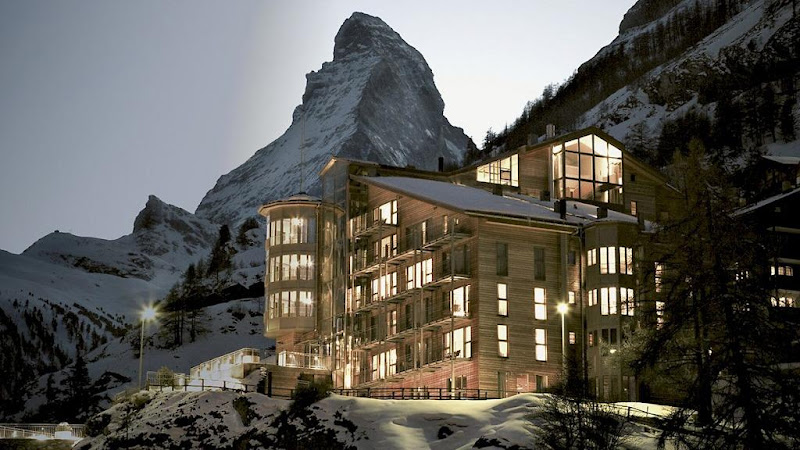
- Luxury traveler: –,800+ USD/day (5-star wellness resorts like The Omnia or Mont Cervin Palace, private ski guides, Michelin-starred alpine gastronomy).
- Altitude & Sun Safety: Mountain stations reach nearly 3,900 meters. Stay hydrated, apply high-SPF sunscreen, wear UV-rated sunglasses, and dress in layered clothing even in mid-summer.
Frequently Asked Questions
How do you reach Zermatt without a car?
Zermatt is easily reached by train via the Swiss Federal Railways (SBB) network. Connect through Visp or Brig onto the scenic Matterhorn Gotthard Bahn line, which drops you directly in the center of the village in approximately 3 hours from Geneva or Zurich airports.
Can you see the Matterhorn from the village of Zermatt?
Yes. The Matterhorn is visible from many vantage points throughout the village on clear days. The most famous village photo spot is the Kirchbrücke (church bridge), where photographers gather at dawn to capture alpenglow on the eastern face.
Can beginners ski in Zermatt?
While Zermatt is famous for intermediate and advanced terrain, beginners can practice on gentle nursery slopes at Sunnegga (Wolli’s Park) and the Riffelberg beginner areas with certified multilingual ski instructors.
Affiliate placeholder: Compare accommodation options after checking the official property details, location, and cancellation terms.
Affiliate placeholder: Check current activity availability, meeting points, accessibility, and cancellation terms before reserving.
Sources and current planning links
Explore more destinations.ai travel guides when building a longer route.
How to plan your mountain days in Zermatt
The most useful Zermatt itinerary chooses one main mountain area per day and leaves room for weather. Gornergrat, Sunnegga–Rothorn, and Matterhorn Glacier Paradise each offer a different combination of views, lifts, walks, and altitude. Trying to fit all three into one day usually means spending the visit watching the clock instead of looking at the Matterhorn.
Choose between the big viewpoints
Gornergrat is the straightforward choice when you want a high viewpoint reached by a scenic railway, with the Gorner Glacier and surrounding peaks in the panorama. Sunnegga is a better fit for a shorter outing, a terrace above the village, or a walk that can be adjusted to the group’s energy. Matterhorn Glacier Paradise is the highest and most alpine-feeling option, but the elevation makes a slow start, water, sun protection, and a weather check especially important.
Mountain transport is seasonal and weather-dependent. Check the official Zermatt mountain report, live webcams, lift timetable, and trail status on the morning of the outing. A ticket or pass does not guarantee that every connection will operate, and cloud can remove the view even when the village is bright and clear.
Match summer walks to conditions, not photographs
Summer visitors can choose from easy lakeside paths, village-to-hamlet walks, and more demanding routes across open alpine terrain. The Five Lakes Walk is a popular idea because it combines water, forest, and Matterhorn viewpoints, but the surface, elevation changes, and transport connections still matter. Ask the tourist office or a local operator which sections are suitable for your group, especially after rain, snow, or maintenance.
Carry a light layer even on a warm day in the valley. Above the village, wind and glare can arrive quickly, and marked trails can include uneven stone, mud, or exposed sections. Use the official trail information rather than assuming that a route is open because it appears in an older guide.
Treat winter as an operating-plan trip
Winter in Zermatt works for skiers, snowboarders, sledders, snow walkers, and travelers who simply want a snowy mountain village. The right base depends on whether you need quick access to a lift, a quiet room away from the busiest streets, or a mostly pedestrian day with restaurants close by. Check snow conditions, open pistes, lift connections, lesson availability, and the Swiss–Italian border-area arrangements before selecting a ski day.
Non-skiers should not assume that every high-altitude excursion is interchangeable. A viewpoint ride, a glacier visit, a winter walk, and a restaurant reservation each depend on different transport and weather conditions. Keep one village-based alternative ready: the Matterhorn Museum, the old village, a café stop, or a short walk along the river can save a day when wind closes a lift.
Arrive through Täsch and plan the final transfer
Zermatt is a car-free village, so drivers normally leave a vehicle in Täsch and continue by the regional shuttle or another permitted transfer. The exact parking price, departure frequency, and luggage arrangements can change. If you are carrying ski equipment, a stroller, or bulky bags, check the current transfer details before leaving the airport or your previous hotel.
Rail is often the least stressful way to reach the village. Build in time for the connection at Visp or Brig, and avoid scheduling a high-altitude excursion immediately after arrival. Once you are in Zermatt, walking works for the center; electric taxis and local transport fill the gaps when the lodging or lift station is farther away.
Where to stay and eat in Zermatt
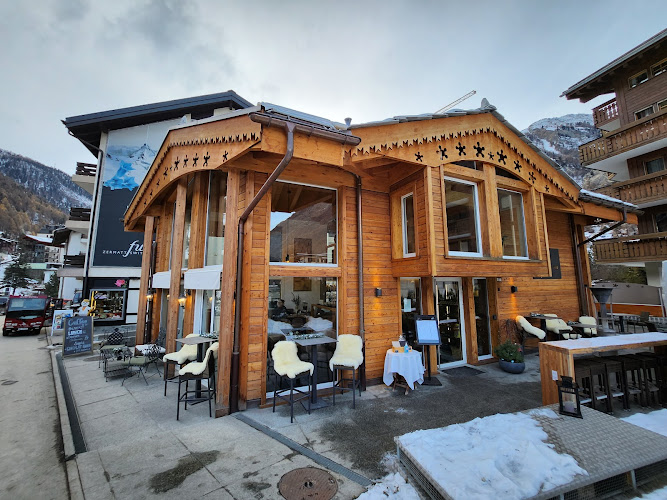
Choose accommodation by the first activity of the day, not only by the promise of a Matterhorn view. Staying near the railway station simplifies arrival and departure; a property nearer a lift station can make ski mornings easier; and a quieter edge-of-village location may suit travelers who value sleep over nightlife. Compare the walking surface, luggage access, breakfast hours, storage, accessibility, and cancellation terms before booking.
Valais specialties give meals a clear local direction: raclette, fondue, rösti, cured meats, and regional wine all make sense after a cold day outside. Reservations are helpful in busy seasons, but leave one flexible meal in the plan because mountain transport can delay your return. Check menus and dietary options directly, particularly if your group needs vegetarian, vegan, or allergy-aware choices.
A practical four-day Zermatt itinerary
Four days lets a first-time visitor combine village history, two different mountain viewpoints, and a weather buffer. Reverse the order when clouds or lift closures make another area the better choice.
- Day one: Arrive by rail, settle in, walk Bahnhofstrasse and the Hinterdorf, and visit the Matterhorn Museum or another confirmed indoor stop.
- Day two: Take the Gornergrat railway if visibility is good. Add a short walk only when the current trail report, footwear, and return connection suit the group.
- Day three: Use Sunnegga for a shorter viewpoint day, or choose Matterhorn Glacier Paradise if the weather and altitude plan are favorable. Keep the afternoon unhurried.
- Day four: Reserve for a second walk, a ski lesson, Gorner Gorge when open, or a village-based alternative. This buffer is what makes the itinerary resilient.
Zermatt accessibility, altitude, and current checks
Ask about the exact lift, trail, vehicle, and hotel rather than assuming that “accessible” describes the whole destination. Station changes, steep village streets, snow, narrow historic buildings, and uneven paths can affect a trip differently. Contact the attraction or transport operator before booking if you need step-free boarding, a lift, an accessible bathroom, equipment storage, or help with luggage.
At high mountain stations, take the first signs of altitude discomfort seriously and descend if necessary. Weather, avalanche conditions, trail closures, and lift maintenance can all change a plan. Before departure, review Zermatt Tourism’s mountain attractions and conditions and the official Gornergrat arrival information for the date of your visit.
For a longer regional route, compare Zurich, Switzerland, Lucerne, Switzerland, The Dolomites, Italy with this destination before finalizing your itinerary.
Explore Zermatt by Category: Discover top curated spots across Zermatt Attractions & Sightseeing, Best Places to Stay in Zermatt, Zermatt Restaurants & Dining.