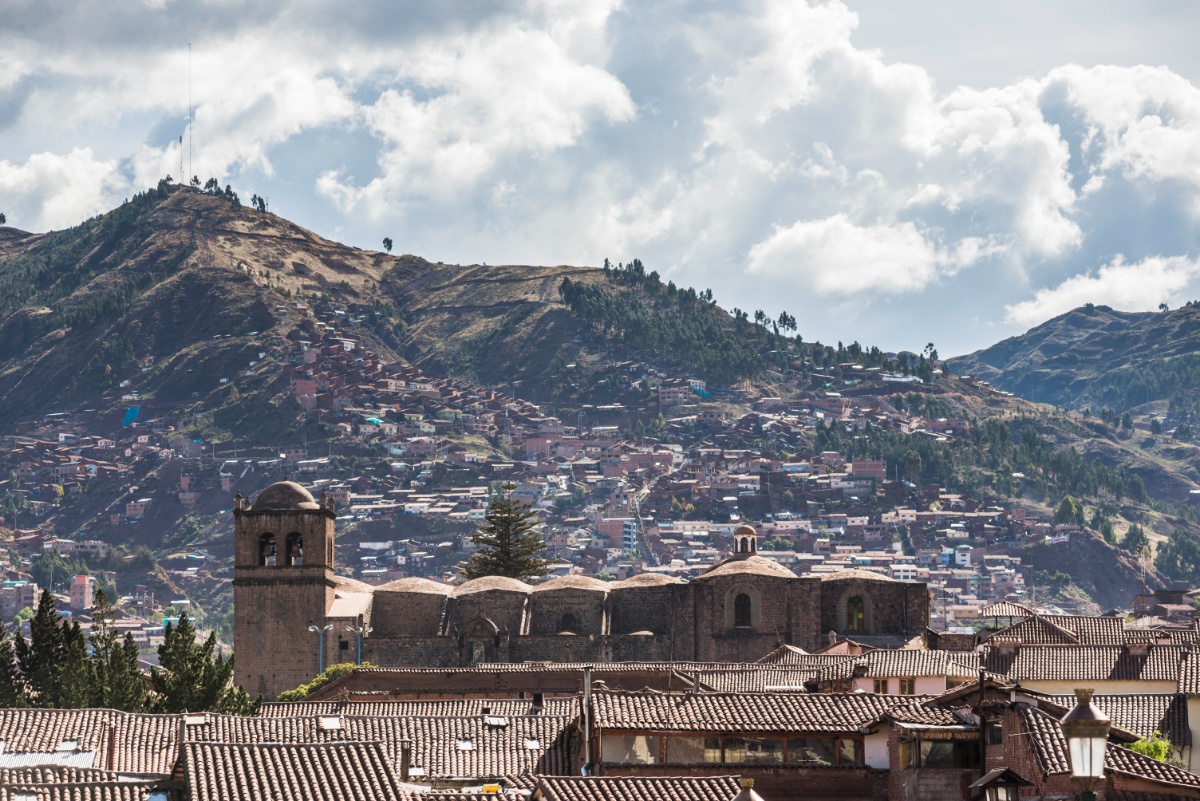
The Museo de Arte Religioso occupies Cusco’s Archbishop’s Palace on Calle Herrajes at the corner of Hatunrumiyoc, two blocks uphill from the Plaza de Armas. The colonial mansion rises on the fitted stone foundations of a palace traditionally attributed to the Inca ruler Inca Roca. Visitors come for its Cusco School paintings and for the building itself.
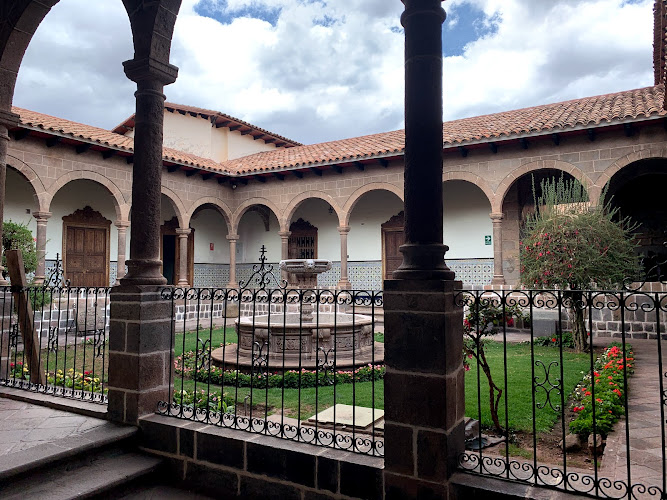
Before entering, walk along the palace’s outer wall on Hatunrumiyoc to find the famous Twelve-Angled Stone, a precisely carved andesite block locked into Inca masonry. Inside, rooms open off a quiet courtyard with carved wooden balconies, painted ceilings and a chapel lined with glazed tiles. The galleries hold works by the Cusco School, the Andean painting tradition known for gold-brocade detailing. The most significant pieces are the 17th-century canvases depicting Cusco’s Corpus Christi procession, which show native nobility, clergy and townspeople in remarkable detail. Paintings attributed to Marcos Zapata also feature, alongside vestments and silverwork.
Visitor Highlights & Practical Info
Entry has typically been offered through the Circuito Religioso Arzobispal ticket, which also covers the Cathedral and the San Blas and San Cristóbal churches. Confirm current hours and prices at the door, because schedules change around religious holidays. Arrive at opening or in the late afternoon to avoid tour groups clustering at the Twelve-Angled Stone. Peak season runs from June through August, with the largest crowds during Inti Raymi and Corpus Christi. Afterward, continue uphill on Hatunrumiyoc into the artisan quarter of San Blas.