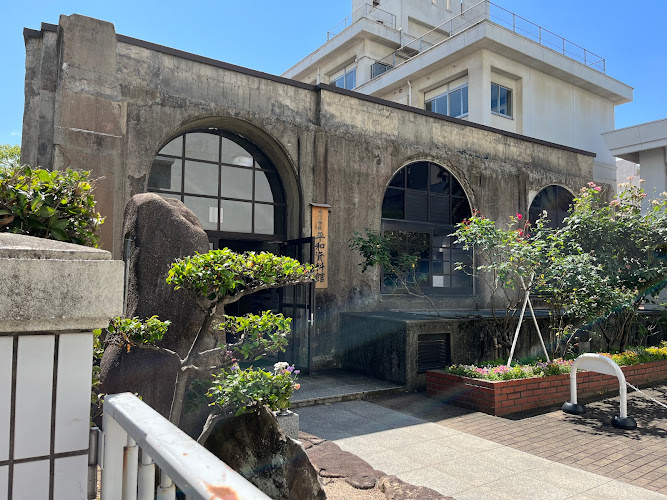
Honkawa Elementary School Peace Museum is a preserved atomic-bombed school building at 1-5-39 Honkawacho, Naka Ward, Hiroshima 730-0802, in the riverside Honkawacho neighborhood. Just 410 meters from the hypocenter, it retains part of a pioneering 1928 reinforced-concrete school and its basement. Opened as a museum in May 1988, it offers an intimate account of the bombing through the place where children studied, people sought emergency treatment, and lessons eventually resumed.
What to Expect at Honkawa Elementary School Peace Museum
The surviving structure is the principal exhibit. Completed in July 1928, the original school was Hiroshima’s first public elementary school with a three-story reinforced-concrete building. Its modern appearance attracted newspaper coverage, but that construction later had a different significance: although the blast and subsequent fire gutted the building on August 6, 1945, its concrete frame resisted collapse. Around 400 pupils and 10 staff members died; only two people at the school survived. This is a preserved fragment, not a complete suite of reconstructed classrooms.
The basement’s surviving burn marks make the destruction particularly immediate. Begin by understanding the building’s original footprint and proximity to the hypocenter, then move through the historical displays before examining the preserved fabric. The school became a temporary relief station the day after the bombing, while victims were cremated in its grounds. Classes resumed in February 1946 after minimal repairs. The damaged building remained in use through successive renovations until a new school opened in April 1988, when most of the old structure was removed and this section preserved.
- Original concrete structure: Examine the surviving portion of the 1928 building rather than a later replica.
- Basement fire damage: Remaining scorch marks preserve physical evidence of the intense fire following the explosion.
- A school near the hypocenter: The 410-meter distance gives precise geographical context to the destruction and loss of life.
- Emergency relief history: Learn how a devastated school became a treatment site from August 7, 1945.
- Return to education: The February 1946 reopening connects the bombing’s aftermath with children’s daily lives and reconstruction.
Honkawa Elementary School Peace Museum at a Glance
| Detail | Information |
|---|---|
| Address | 1-5-39 Honkawacho, Naka Ward, Hiroshima 730-0802, Japan |
| Neighborhood / Area | Honkawacho, west of the Honkawa River and Peace Memorial Park |
| Operating Hours | Listed hours: Monday–Sunday, 8:50 a.m.–4:15 p.m.; telephone ahead about school-calendar restrictions and visitor access. |
| Admission / Price Range | Free admission; $ budget category |
| Recommended Visit Duration | 30 to 45 minutes |
| Nearest Transit / Parking | Honkawa-cho tram stop, including Hiroden routes 2 and 6; nearby paid parking in Honkawacho rather than school grounds |
| Official Website & Phone | Hiroshima City’s official museum history; +81 82-232-3431 |
Visiting Tips, Getting There & Nearby Pairings
This is an active elementary-school campus, so arrange your visit around its visitor procedures rather than treating it like an unrestricted park monument. Call ahead, especially for weekends, holidays, groups, or an English-language explanation; ask whether a guided visit can be arranged. On arrival, follow reception instructions and keep away from teaching areas. Carry a small bag, ask before photographing exhibits, and never photograph pupils without permission. Plan refreshments elsewhere rather than expecting a museum café or a large souvenir shop.
Honkawa-cho tram stop is roughly five minutes away on foot. For drivers, use paid neighborhood parking and do not enter school grounds to park. The museum includes a basement reached by stairs; wheelchair users and anyone unable to manage steps should discuss access to both levels before traveling. Afterward, cross toward the Atomic Bomb Dome, approximately five to ten minutes away, or enter Peace Memorial Park to reach the Clock Tower of Peace in a similar time. The Children’s Peace Monument is about ten to fifteen minutes away and provides a particularly relevant continuation of the school’s story.
Frequently Asked Questions
What are the opening hours and best time to visit?
Listed visiting hours are 8:50 a.m. to 4:15 p.m. daily, but school arrangements can affect entry. Choose a weekday morning after confirming access by telephone, leaving enough time for the surrounding memorial sites.
Is admission free, and should I reserve?
Admission is free. Contact the school ahead for group visits or special access needs; coordinating entry is more important here than purchasing a ticket.
How much time should I allow?
Allow 30 to 45 minutes for the displays and surviving building. Budget at least another hour for an unhurried walk past the Atomic Bomb Dome and through the northern part of Peace Memorial Park.
Is the museum suitable for children and visitors with limited mobility?
The school setting can help older children understand the history, but the account includes children’s deaths and emergency treatment. Basement stairs require advance accessibility planning; families should also prepare for a quiet, reflective visit rather than interactive play.
When planning your Hiroshima travel guide or browsing verified history museum in Hiroshima, pair this stop with standout local spots including LAZULI Hiroshima Hotel and Lounge, Peace Memorial Park – Hiroshima, Hiroshima Museum of Art, and Clock Tower of Peace (0.2 km away).