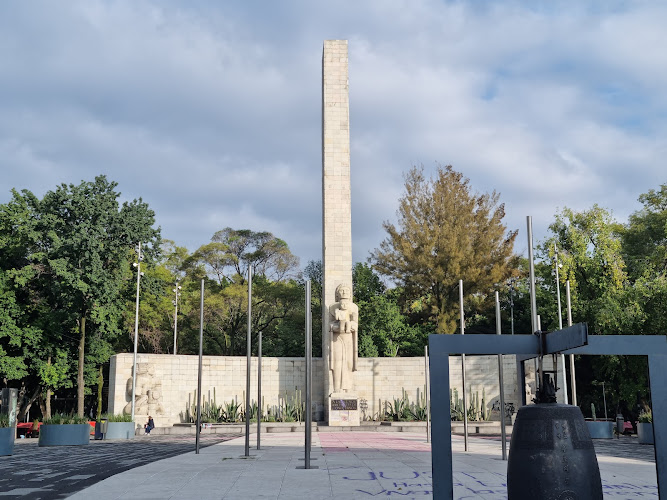
National Museum of the Revolution is a history museum beneath the Monumento a la Revolución at Plaza de la República, Avenida de la República s/n, Tabacalera, Cuauhtémoc, 06030 Mexico City. Opened on November 20, 1986, it examines the political struggles and social movements that shaped modern Mexico. Visit for the context behind Francisco I. Madero, Emiliano Zapata, Pancho Villa, and the monument overhead—not for a collection centered on Mexico’s earlier War of Independence.
What to Expect at National Museum of the Revolution
The permanent exhibition follows Mexico from the consolidation of the national state through the Porfiriato, revolutionary upheaval, constitutional reform, and the presidency of Lázaro Cárdenas. Its thematic sections distinguish democratic opposition to Porfirio Díaz from the political and popular revolutions that followed. Photographs, documents, weapons, and historical objects help explain competing revolutionary projects rather than presenting the conflict as one unified campaign. Allow time for the Spanish-language interpretation, particularly around land reform and the Constitution of 1917.
The setting is part of the story. The monument incorporates the central steel structure of an unfinished legislative palace designed by French architect Émile Bénard during Díaz’s presidency. Architect Carlos Obregón Santacilia transformed that abandoned project into the Revolution Monument between 1933 and 1938; Oliverio Martínez created its monumental sculptural groups. The underground museum includes interpretation of the site’s architectural history alongside its permanent galleries and temporary exhibitions. Museum admission and the monument’s panoramic elevator experience are separate visits.
- The Porfiriato: Explore the modernization, inequality, and political repression preceding the 1910 uprising.
- Democratic revolution: Follow Madero’s challenge to Díaz and the struggle over electoral legitimacy.
- Popular revolution: Examine agrarian demands and the movements associated with Zapata and Villa.
- Constitutional change: Trace the fighting and negotiations behind Mexico’s Constitution of 1917.
- Monument history: Discover how an unfinished legislative palace became a national revolutionary memorial.
National Museum of the Revolution at a Glance
| Detail | Information |
|---|---|
| Address | Plaza de la República, Avenida de la República s/n, Tabacalera, Cuauhtémoc, 06030 Mexico City |
| Neighborhood / Area | Tabacalera, west of the historic center |
| Operating Hours | Monday closed; Tuesday–Friday 9 a.m.–4 p.m.; Saturday–Sunday 9 a.m.–7 p.m. |
| Admission / Price Range | Paid admission; budget tier ($). Check the official website for current rates and concessions. |
| Recommended Visit Duration | 60–90 minutes; longer with temporary exhibitions |
| Nearest Transit / Parking | Metrobús Plaza de la República, Line 1; Metro Revolución, Line 2. Paid parking operates around the plaza. |
| Official Website & Phone | Official museum website; +52 55 5546 2115 |
Visiting Tips, Getting There & Nearby Pairings
Arrive near opening on a weekday for an unhurried chronological circuit, starting with the national-state and Porfiriato sections before moving into the revolutionary factions. Telephone ahead for guided or school-group visits, and check temporary-exhibition arrangements before traveling. Bring a small bag; ask reception about storage requirements and photography restrictions before using flash or a tripod. For mobility planning, distinguish the below-plaza museum entrance from the monument’s sightseeing elevator: they are not interchangeable access routes. Ask museum staff to arrange the appropriate step-free approach and confirm accessible facilities before arrival.
From Metrobús Plaza de la República on Insurgentes, walk east toward the monument; Metro Revolución is approximately ten minutes away. Drivers should use a signed paid garage around the square rather than assume curbside parking is available. Combine the museum with the Art Deco exterior of Frontón México, immediately beside the plaza, then walk roughly five minutes toward Paseo de la Reforma. The Museo Nacional de San Carlos, about ten to fifteen minutes away, adds European painting inside a late-18th-century palace. Carry water for these exposed outdoor walks.
Frequently Asked Questions
What are the hours, and when should I visit?
The museum opens Tuesday–Friday, 9 a.m.–4 p.m., and Saturday–Sunday, 9 a.m.–7 p.m.; Monday is closed. A weekday morning leaves ample time for the galleries and nearby sights before afternoon traffic builds.
Does museum admission include the monument’s viewpoint?
No: plan the museum and panoramic monument experience as separate admissions. The museum is a budget-priced attraction; consult its official website for current ticket rates, exemptions, and group arrangements.
How much time should I allow?
Budget 60–90 minutes for the permanent exhibition and architectural history. Allow around two hours if you read closely or include a temporary exhibition, with additional time for the monument above.
Is it suitable for children and visitors with limited mobility?
School-age children interested in history will gain most from the photographs, objects, and stories of competing revolutionary leaders. The galleries are underground, so wheelchair users and families with strollers should telephone ahead to coordinate step-free entry rather than follow the nearest staircase.
When planning your Mexico City travel guide or comparing verified attractions and museums in Mexico City, pair this stop with standout local spots including San Ángel Inn, Plaza Insurgentes, Duck Park, and Monument to the Revolution (nearby).