Editorial disclosure: This destinations.ai guide was prepared with AI assistance and checked against the official sources linked below. Accommodation and activity placeholders may use affiliate links; that does not change the planning advice.
Overview: Why Visit Varanasi
Varanasi, also known as Kashi (“City of Light”) and Banaras, is the spiritual capital of India and one of the world’s oldest continuously inhabited cities. Positioned along the sacred western crescent of the Ganges (Ganga) River in Uttar Pradesh, Varanasi is a mesmerizing convergence of life, death, devotion, and timeless ritual.
From the hypnotic rhythm of the evening Ganga Aarti ceremonies and centuries-old silk weaving traditions to the nearby deer park at Sarnath where Gautama Buddha delivered his first sermon, Varanasi offers an unforgettable cultural and spiritual journey unlike any other on Earth.
Best Time to Visit Varanasi
Quick answer: Winter (October to March): The premier travel window. Days are crisp, dry, and sunny with temperatures averaging 10°C to 26°C (50°F to 79°F). Mornings are characterized by mystical river mist, making sunrise boat cruises breathtakingly atmospheric.
- Winter (October to March): The premier travel window. Days are crisp, dry, and sunny with temperatures averaging 10°C to 26°C (50°F to 79°F). Mornings are characterized by mystical river mist, making sunrise boat cruises breathtakingly atmospheric.
- Festival Highlights: November brings Dev Deepawali (celebrated 15 days after Diwali on the full moon of Kartika Purnima), when over one million earthenware clay oil lamps (diyas) illuminate all 84 ghats along the riverbanks in an awe-inspiring spectacle.
- Summer (April to June): Intensely hot and arid with daytime temperatures frequently exceeding 42°C to 45°C (108°F to 113°F). Afternoon sightseeing is challenging, though temple queues and tourist crowds are significantly smaller.
- Monsoon (July to September): Heavy monsoon rains cause the Ganges River to rise significantly. While the city displays lush green surroundings, river boat rides and walks along the lower stone steps of the ghats are often restricted due to high water levels.
Key Ghats & Cultural Landmarks
Quick answer: Dashashwamedh Ghat: The most famous and vibrant central ghat, home to the legendary nightly Ganga Aarti ceremony where young Hindu priests perform synchronized choreographies with towering brass multi-tiered fire lamps, conch shells, and incense.
- Dashashwamedh Ghat: The most famous and vibrant central ghat, home to the legendary nightly Ganga Aarti ceremony where young Hindu priests perform synchronized choreographies with towering brass multi-tiered fire lamps, conch shells, and incense.
- Assi Ghat: Located at the southernmost confluence of the Assi and Ganges rivers. Famous for Subah-e-Banaras, an inspiring sunrise program combining Vedic chanting, morning aarti, classical Indian music, and open-air riverside yoga.
- Manikarnika & Harishchandra Ghats: The principal sacred cremation ghats (Mahashmashana). Hindus believe that attaining cremation here breaks the cycle of rebirth (Moksha). Visitors are permitted to observe with quiet respect from a distance; photography is strictly prohibited.
- Kashi Vishwanath Temple: Dedicated to Lord Shiva (one of the twelve sacred Jyotirlingas). The recently developed Kashi Vishwanath Corridor provides a wide, accessible pedestrian plaza directly connecting the temple complex to the Ganges River.
- Sarnath (10 km northeast): The revered Buddhist pilgrimage site where Lord Buddha gave his first sermon (the Dhammacakkappavattana Sutta) after attaining enlightenment. Key sights include the massive 5th-century Dhamek Stupa, the ancient Mulagandhakuti Vihara, and the Sarnath Archaeological Museum housing India’s national emblem, the 3rd-century BCE Lion Capital of Ashoka.
- Old City Alleyways (Galis): A dense pedestrian labyrinth behind the ghats filled with hidden shrines, centuries-old sweet shops, roaming sacred cows, and historic silk-weaving ateliers.
Suggested 3-Day Varanasi Itinerary
Quick answer: Day 1: Arrival, Kashi Vishwanath & Grand Evening Aarti. Check into a heritage hotel overlooking the river. Visit the Kashi Vishwanath Corridor and Annapurna Temple in the afternoon. At 5:30 PM, secure a wooden rowboat on the river or a seat on the steps of Dashashwamedh Ghat to experience the grand Ganga Aarti.
- Day 1: Arrival, Kashi Vishwanath & Grand Evening Aarti. Check into a heritage hotel overlooking the river. Visit the Kashi Vishwanath Corridor and Annapurna Temple in the afternoon. At 5:30 PM, secure a wooden rowboat on the river or a seat on the steps of Dashashwamedh Ghat to experience the grand Ganga Aarti.
- Day 2: Sunrise Rowboat Cruise, Galis & Banarasi Silk. Rise before dawn for a 5:30 AM sunrise boat cruise gliding silently from Assi Ghat past the waking rituals and historic palaces to Manikarnika Ghat. Enjoy a breakfast of fresh kachori sabzi and jalebi, explore the narrow galis of Thatheri Bazaar, and visit a traditional handloom workshop to see authentic Banarasi silk sarees being woven.
- Day 3: Sarnath Excursion & Street Food Trail. Take a morning excursion to peaceful Sarnath to explore the Dhamek Stupa, Tibetan and Japanese monasteries, and the Ashoka Lion Capital. Return to Varanasi in the late afternoon for a culinary street-food walking tour through Godowlia and Luxa.
Local Cuisine & Iconic Street Food
Quick answer: Tamatar Chaat: A savory Banarasi specialty made from spiced, mashed tomatoes, boiled potatoes, ginger, and cumin, served piping hot in earthen clay bowls (kulhads) topped with crispy namkeen and sugar syrup. (Must try at Kashi Chat Bhandar or Deena Chaat).
- Tamatar Chaat: A savory Banarasi specialty made from spiced, mashed tomatoes, boiled potatoes, ginger, and cumin, served piping hot in earthen clay bowls (kulhads) topped with crispy namkeen and sugar syrup. (Must try at Kashi Chat Bhandar or Deena Chaat).
- Kachori Sabzi & Jalebi: The quintessential Banarasi breakfast. Flaky deep-fried puris stuffed with spiced lentils, served with tangy potato-chickpea curry and piping hot, syrup-soaked jalebis.
- Malaiyo (Winter Only): An ethereal, cloud-like dessert made from milk froth infused with saffron, cardamom, and rose water, garnished with crushed pistachios and almonds, traditionally chilled overnight under winter dew.
- Banarasi Lassi: Thick, creamy yogurt hand-churned in earthen clay cups, generously crowned with thick clotted cream (rabdi) and pomegranate seeds.
- Banarasi Paan: The world-famous digestive treat made with fresh betel leaf, sweetened gulkand (rose petal preserve), areca nut, and aromatic cooling spices.
Practical Travel Tips, Costs & Etiquette
Quick answer: Getting Around: The old city center and riverfront ghats are strictly pedestrianized. For travel to Sarnath, railway stations, or outer temples, battery-powered e-rickshaws and auto-rickshaws are the most efficient modes of transport.
- Getting Around: The old city center and riverfront ghats are strictly pedestrianized. For travel to Sarnath, railway stations, or outer temples, battery-powered e-rickshaws and auto-rickshaws are the most efficient modes of transport.
- Ghat Etiquette & Photography: Dress modestly by keeping shoulders and knees covered when exploring ghats and temples. Photography is strictly prohibited at the cremation ghats (Manikarnika and Harishchandra) out of respect for grieving families.
- Boat Ride Negotiation: Agree on boat rental rates before boarding. A traditional hand-rowed wooden boat typically costs 300 to 500 INR (– USD) per hour, while motorized boats or shared aarti cruises cost 200 to 400 INR per person.
- Daily Budget Breakdown:
- Budget traveler: compare current low-cost lodging, meals, and free attractions before booking (backpacker hostels near Assi Ghat, street food, public transport).
- Mid-range traveler: allow for a comfortable hotel, paid attractions, and sit-down meals, then check current prices (heritage riverside havelis, private morning boat charters, guided heritage walks).
- Luxury traveler: budget for premium lodging, private activities, and higher-end dining after checking current rates (5-star palatial properties like BrijRama Palace or Taj Ganges, private scholar-led cultural tours, private luxury motorboat excursions).
Frequently Asked Questions
How many days are recommended to visit Varanasi?
Two to three full days are ideal to experience a morning sunrise boat cruise, the evening Dashashwamedh Ganga Aarti, the Kashi Vishwanath temple corridor, the old city alleys, and a half-day excursion to Sarnath.
Is it safe for solo and international travelers?
Varanasi is generally safe and hospitable for international tourists. The main challenges are navigating bustling traffic and occasional persistent street vendors or touts. Stay within well-lit ghat areas in the evening, use licensed guides, and drink bottled or filtered water.
How far is Varanasi Airport from the Ghats?
Lal Bahadur Shastri International Airport (VNS) is located approximately 25 kilometers northwest of the city center. The journey by pre-paid taxi takes approximately 45 to 60 minutes via the modern four-lane highway.
Affiliate placeholder: Compare accommodation options after checking the official property details, location, and cancellation terms.
Affiliate placeholder: Check current activity availability, meeting points, accessibility, and cancellation terms before reserving.
Sources and current planning links
Explore more destinations.ai travel guides when building a longer route.
How to experience Varanasi respectfully
Varanasi is easiest to understand when you treat the ghats as living religious spaces rather than a set of scenic viewpoints. Walk slowly, dress with the local setting in mind, ask before photographing people, and follow the instructions of temple staff, boat operators, and families using the riverfront.
Build your day around the river
A sunrise boat ride and an evening ceremony create two very different impressions of the Ganges. Use a licensed or clearly identified operator, agree on the route and price before boarding, and ask where the boat will wait for the return journey. River levels, weather, crowding, and local instructions can change the experience, so do not treat a remembered departure time as a guarantee.
Dashashwamedh Ghat is associated with the large evening Ganga Aarti, while Assi Ghat offers a calmer starting point for an early walk and morning program. Manikarnika and other cremation ghats require particular restraint. Do not photograph ceremonies, bodies, or grieving families, and do not turn a sacred ritual into a performance for your camera.
Plan temples and heritage sites with the rules in mind
Temple entry rules, security checks, queues, clothing expectations, and photography restrictions vary. Carry only what the venue allows and verify current arrangements on the official site before setting out. The district’s visitor information is a better source for current tourist-place details than a social post that may describe an older entrance or timetable.
How to fit Sarnath into a Varanasi trip
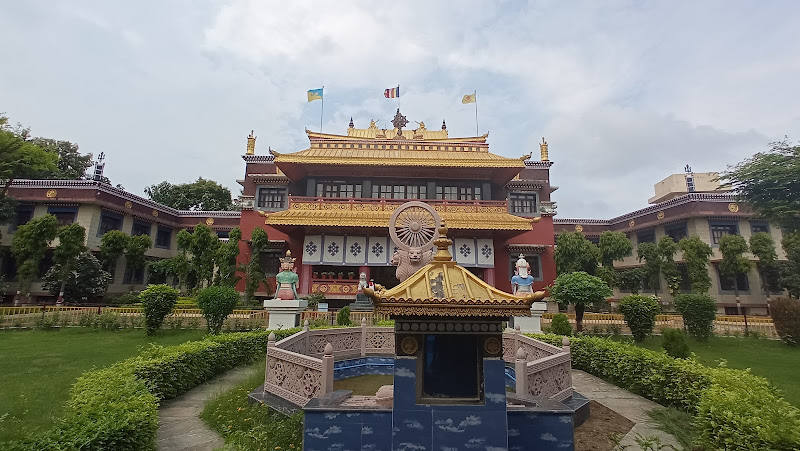
Sarnath works as a half-day or full afternoon away from the riverfront, especially for travelers who want Buddhist history alongside Varanasi’s Hindu pilgrimage sites. Visit the archaeological area, Dhamek Stupa, museum, and monasteries that are open on your chosen date, then return before your evening plan rather than trying to combine every outer-city stop.
Allow for road traffic and agree on whether your driver or guide will wait. A prearranged vehicle can simplify the outing, while an auto-rickshaw or taxi may suit travelers who prefer flexibility. Confirm the current entry hours, closed days, and photography rules for each site, because Sarnath’s attractions are managed separately.
Food, water, and a more comfortable Varanasi day
Eat adventurously but manage the basics: use sealed or reliably filtered water, choose busy stalls with good turnover, and keep hand sanitizer available. Banarasi kachori sabzi, jalebi, tamatar chaat, lassi, and seasonal sweets are useful starting points, but a dish that is popular is not automatically suitable for every stomach.
Early mornings are cooler and less congested for walking, while the middle of a hot day is a good time for a rest, museum, or meal. The old lanes are uneven and crowded; wear secure shoes and keep bags close. If you need a quieter meal or have dietary restrictions, ask the restaurant to explain ingredients rather than relying on a translated menu alone.
Where to stay in Varanasi
Stay near the experience you value most: Assi Ghat for a slower riverside base, the central old city for immediate access to the ghats, or a road-accessible hotel for easier airport and Sarnath transfers. River views can come with stairs, narrow approaches, noise, and limited vehicle access. Ask the property about the final walking route for luggage, lift access, power backup, water, and the current cancellation policy.
A three-day visit is enough for a first look, but the schedule should have open space. Varanasi rewards returning to the same riverfront at a different hour more than adding another distant landmark to an already crowded day.
A workable three-day Varanasi itinerary
Quick answer: Day one: Settle in, walk a manageable section of the riverfront, and attend the evening Ganga Aarti only after confirming the current access and viewing arrangements.
- Day one: Settle in, walk a manageable section of the riverfront, and attend the evening Ganga Aarti only after confirming the current access and viewing arrangements.
- Day two: Take a dawn boat ride, rest during the hottest part of the day, then explore selected lanes, food stops, and a confirmed temple or museum visit.
- Day three: Spend the morning in Sarnath and return with enough time for a final ghat walk, shopping for carefully identified textiles, or a relaxed meal.
Current Varanasi planning checks
Confirm river conditions, temple entry rules, site hours, transport, and any government travel advisories immediately before departure. Use the District Varanasi tourist-places information for the city’s official attraction overview, then check the individual temple, museum, or operator for the detail that applies to your date.
For a longer regional route, compare Jaipur, India, Agra, India, Goa, India with this destination before finalizing your itinerary.
Explore Varanasi by Category: Discover top curated spots across Varanasi Attractions & Sightseeing, Best Places to Stay in Varanasi, Varanasi Restaurants & Dining.