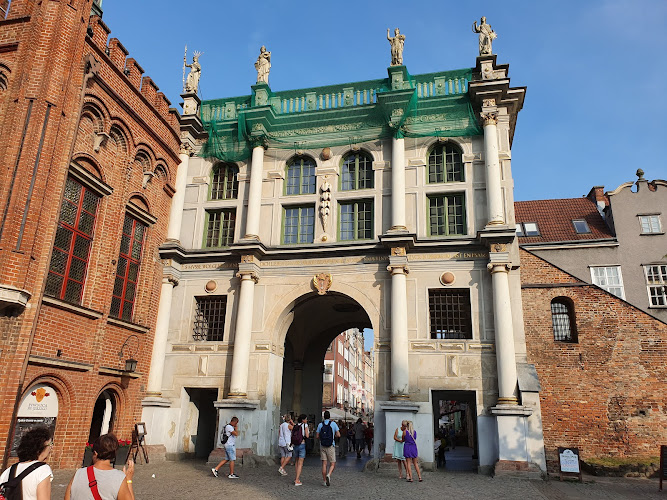
Quick answer: Gdańsk is Poland’s storied Baltic port city, distinguished by colorful reconstructed Flemish burgher houses along Long Market, the soaring brick towers of St. Mary’s Church, and maritime heritage along the Motława River.
Quick Trip-Planning Snapshot
Gdańsk rewards three full days, or four if you add Sopot and Gdynia as easy Tricity day trips. The historic core is compact and walkable, and the SKM commuter train handles everything beyond it, so a car adds cost and parking friction rather than freedom. Book central accommodation 6 to 10 weeks ahead for July and August, and reserve the major museums for peak-season weekends.
- Best Base for First-Timers: The Main Town (Główne Miasto) around Długi Targ and Mariacka Street, or Granary Island across the Motława for a calmer, newer riverfront with the same walking access.
- Getting Around: Walk the historic core. Use SKM trains for Oliwa, Wrzeszcz, Sopot and Gdynia, and ZTM trams and buses for everything in between. Validate or buy tickets in the official app or at machines before boarding.
- Peak vs. Value Windows: June to August brings the best beach weather, the busiest streets and the highest room rates. May, early June and September offer lighter crowds and softer prices, and the Christmas market season is a value-priced alternative.
- Top Insider Tip: Treat Gdańsk as a base for the whole Tricity. Sleeping near the central station or in Wrzeszcz often costs noticeably less than the Main Town, and SKM trains run every few minutes to the coast.
Editorial disclosure: This destinations.ai guide was prepared with AI assistance and checked against the official sources linked below. Some hotel and tour links on this page may earn an affiliate commission at no extra cost to you; our editorial recommendations remain independent.
Overview: Why Visit Gdańsk
Gdańsk, situated on the Baltic Sea coast of northern Poland along the mouth of the Motława River, is a maritime city with over a thousand years of Hanseatic trading power and world-shaping modern history. As the anchor of Poland’s Tricity metropolitan area (alongside Sopot and Gdynia), Gdańsk blends reconstructed Flemish-style merchant townhouses with momentous 20th-century historical landmarks.
Major highlights include walking the Royal Way through the Long Market (Długi Targ) to photograph the bronze 17th-century Neptune’s Fountain and Artus Court, climbing the tower of St. Mary’s Basilica (the largest brick church in the world), viewing the 15th-century medieval harbor Crane (Żuraw) on the Motława River, browsing Baltic amber jewelry along cobblestone Mariacka Street, exploring the revolutionary birth of the Solidarność trade union at the European Solidarity Centre, and visiting the groundbreaking Museum of the Second World War.
Best Time to Visit Gdańsk
Quick answer: Summer (June to August): Peak season for coastal exploration and Baltic beach days in neighboring Sopot. Temperatures average 22°C to 26°C (72°F to 79°F). In late July and August, the city hosts the 760-year-old St. Dominic’s Fair ( Jarmark św. Dominika ), filling the historic center with thousands of open-air antique dealers, amber artisans, and food stalls.
- Summer (June to August): Peak season for coastal exploration and Baltic beach days in neighboring Sopot. Temperatures average 22°C to 26°C (72°F to 79°F). In late July and August, the city hosts the 760-year-old St. Dominic’s Fair (Jarmark św. Dominika), filling the historic center with thousands of open-air antique dealers, amber artisans, and food stalls.
- Shoulder Season (May & September to October): Excellent travel window with pleasant temperatures (15°C to 20°C / 59°F to 68°F), clear Baltic coastal light, lower accommodation prices, and uncrowded museums.
- Winter (December to February): Crisp Baltic winter weather averaging -2°C to 3°C (28°F to 37°F). Coal-fired street braziers, illuminated merchant townhouses, and festive Christmas markets on Targ Węglowy create an authentic holiday atmosphere.
Key Hanseatic Landmarks & World-Class Museums
Quick answer: The Royal Way (Droga Królewska) & Long Market (Długi Targ): The ceremonial processional route running from the Renaissance Upland Gate and Golden Gate down Długa Street into the Long Market. Lined with slender, colorful mannerist and baroque merchant residences. Highlights include the 1633 bronze Neptune’s Fountain , the gothic Main Town Hall (Ratusz Głównego Miasta) with its 80-meter carillon tower, and Artus Court (Dwór Artusa), the former banquet hall of Hanseatic merchant patricians.
- The Royal Way (Droga Królewska) & Long Market (Długi Targ): The ceremonial processional route running from the Renaissance Upland Gate and Golden Gate down Długa Street into the Long Market. Lined with slender, colorful mannerist and baroque merchant residences. Highlights include the 1633 bronze Neptune’s Fountain, the gothic Main Town Hall (Ratusz Głównego Miasta) with its 80-meter carillon tower, and Artus Court (Dwór Artusa), the former banquet hall of Hanseatic merchant patricians.
- St. Mary’s Basilica (Bazylika Mariacka): Begun in 1343, this is the largest brick gothic church in the world, capable of holding 25,000 worshippers. Key treasures include the 14-meter-tall 15th-century astronomical clock created by Hans Düringer (showing the zodiac, calendar, and phases of the moon) and the 78-meter bell tower, reachable via 409 steps for sweeping views across the Baltic port.
- The Medieval Crane (Żuraw Gdański): Built between 1442 and 1444, this massive two-towered brick and timber structure along the Motława River is the oldest surviving port crane in Europe. Operating via giant human treadwheels, it loaded cargo onto galleons and stepped ship masts for centuries.
- Mariacka Street (Ulica Mariacka): Gdańsk’s most atmospheric cobblestone lane, lined with ornate stone stoops (przedproża) adorned with gargoyle rainwater spouts and wrought-iron railings. It serves as the global capital of Baltic amber jewelry, with dozens of family-owned workshops selling natural succinite gems.
- European Solidarity Centre (Europejskie Centrum Solidarności – ECS): Located at the historic gates of the Gdańsk Shipyard (formerly Lenin Shipyard). Housed in a striking rust-colored Corten steel building resembling a ship’s hull, this immersive multimedia museum chronicles Lech Wałęsa’s 1980 Solidarity (Solidarność) strike, underground resistance, and the peaceful collapse of Soviet communism across Eastern Europe.
- Museum of the Second World War (Muzeum II Wojny Światowej): Situated near Westerplatte (where the opening shots of WWII were fired on September 1, 1939). Features an angular 40-meter glass and brick tower with vast subterranean exhibition halls detailing the civilian experience, Nazi occupation, Holocaust, and geopolitical aftermath of the war across 5,000 square meters.
- Malbork Castle (Day Trip): Located 45 minutes south by train. A UNESCO World Heritage Site and the largest brick castle complex in the world by land area, constructed by the Teutonic Order in the 13th century on the Nogat River.
Suggested 3-Day Gdańsk & Tricity Itinerary
Quick answer: Day 1: Royal Way, St. Mary’s & Historic Motława Waterfront. Enter through the Golden Gate and explore the Long Market in the morning, photographing Neptune’s Fountain and Artus Court. Climb the tower of St. Mary’s Basilica. Walk down cobblestone Mariacka Street to shop for Baltic amber. In the afternoon, stroll along the Motława River waterfront to view the medieval Crane. Dine on Baltic cod and Goldwasser liqueur at a riverside restaurant.
- Day 1: Royal Way, St. Mary’s & Historic Motława Waterfront. Enter through the Golden Gate and explore the Long Market in the morning, photographing Neptune’s Fountain and Artus Court. Climb the tower of St. Mary’s Basilica. Walk down cobblestone Mariacka Street to shop for Baltic amber. In the afternoon, stroll along the Motława River waterfront to view the medieval Crane. Dine on Baltic cod and Goldwasser liqueur at a riverside restaurant.
- Day 2: Modern History & Baltic Seaside (Sopot). Spend your morning touring the European Solidarity Centre and the Museum of the Second World War. In the afternoon, take a 15-minute SKM commuter train to seaside Sopot. Walk along the 511-meter wooden Sopot Pier (Molo), the longest wooden pier in Europe, and stroll down lively Monte Cassino street before returning to Gdańsk.
- Day 3: UNESCO Malbork Castle Excursion & Departure. Take a morning train to Malbork to tour the Grand Master’s Palace, Gothic refectory halls, and defensive moats of Malbork Castle. Return to Gdańsk for a farewell dinner of handmade pierogi before transferring to the airport or main railway station.
Pomeranian & Polish Gastronomy
Quick answer: Baltic Sea Cod & Herring (Śledź po Kaszubsku): Fresh cod fillets pan-fried with herb butter, or pickled Baltic herring prepared Kashubian-style in a spiced tomato, onion, and allspice marinade.
- Baltic Sea Cod & Herring (Śledź po Kaszubsku): Fresh cod fillets pan-fried with herb butter, or pickled Baltic herring prepared Kashubian-style in a spiced tomato, onion, and allspice marinade.
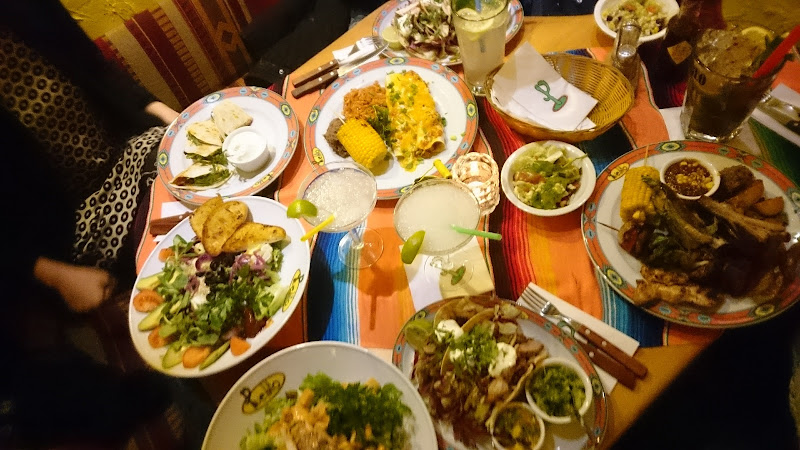
- Żurek w Chlebku: Traditional fermented sour rye soup loaded with smoked kielbasa sausage, diced bacon, and hard-boiled eggs, served piping hot inside a hollowed-out round sourdough bread loaf with freshly grated horseradish.
- Pierogi Ruskie & Wild Game Dumplings: Handmade boiled or pan-fried dumplings stuffed with potatoes and farmer’s cheese topped with crispy caramelized onions, or filled with slow-braised wild boar and forest mushrooms.
- Goldwasser Liqueur: A legendary herbal and spice liqueur distilled in Gdańsk since 1598, infused with cardamom, cloves, cinnamon, and real 22-karat gold leaf flakes floating in the clear spirit.
Practical Travel Tips, Transit & Budget
Seasonal Timing, Crowd & Pacing Matrix
| Season / Months | Weather & Crowd Reality | Standout Experiences | Planning Strategy |
|---|---|---|---|
| Spring (March to May) | Cool and changeable, warming through May. Crowds are light, with school groups on weekdays. | Uncrowded Main Town walks, museum visits, early-season cafés along the Motława. | Pack layers and a rain shell. Book little in advance except for May long weekends. |
| Summer (June to August) | Warmest and busiest period, with long daylight and full beaches. Peak prices and crowds in July and August. | Sopot pier and beach, Gdynia waterfront, Baltic cruises, the St. Dominic’s Fair in late summer, amber shopping on Mariacka. | Reserve rooms and key museum slots early. Visit the Old Town at morning or evening and do coast trips midday. |
| Autumn (September to November) | Mild early autumn, then cooler and wetter. Crowds drop quickly after mid-September. | Quiet beach walks, Oliwa Park colour, museum-focused days, Pomeranian comfort food. | Best value window for September. Plan indoor backups from late October. |
| Winter (December to February) | Cold, dark and damp, with occasional snow. Crowds are small outside Advent. | Christmas market atmosphere, warm milk bars and cafés, museum days, amber workshops. | Aim for the Advent weeks if you want festive atmosphere, and book ahead for weekends in December. |
Gdańsk Lech Wałęsa Airport (GDN) connects to the centre by airport bus and rail links, and Gdańsk Główny is the main intercity hub, with SKM, long-distance trains and the airport bus all departing nearby. In town, walk the historic core and use the SKM for Oliwa, Wrzeszcz, Sopot and Gdynia. Trams and buses (ZTM) fill the gaps with a modest single-ticket fare, and contactless payment and the official app make ticketing straightforward. Check current ticket zones and schedules before travelling.
Quick answer: Getting Around: Gdańsk Lech Wałęsa Airport (GDN) is located 12 kilometers west with direct flights across Europe and a convenient PKM train link into the city center. Gdańsk Główny (Main Railway Station) connects to Warsaw Central in just 2.5 hours via high-speed PKP Intercity Premium (EIP Pendolino) trains. SKM (Szybka Kolej Miejska) commuter trains connect Gdańsk, Sopot, and Gdynia every 10 minutes.
- Getting Around: Gdańsk Lech Wałęsa Airport (GDN) is located 12 kilometers west with direct flights across Europe and a convenient PKM train link into the city center. Gdańsk Główny (Main Railway Station) connects to Warsaw Central in just 2.5 hours via high-speed PKP Intercity Premium (EIP Pendolino) trains. SKM (Szybka Kolej Miejska) commuter trains connect Gdańsk, Sopot, and Gdynia every 10 minutes.
- Currency & Payments: Polish Złoty (PLN). Contactless card payments and Apple Pay/Google Pay are ubiquitous across the city.
- Daily Budget Breakdown:
- Budget traveler: $35–$60 USD (140–240 PLN)/day (hostel dorm near Old Town, traditional milk bar *Bar Mleczny* meals, SKM train tickets).
- Mid-range traveler: $80–$160 USD (320–640 PLN)/day (3-star/4-star boutique hotel like Radisson RED or Hotel Mercure Old Town, museum entries, sit-down dinners with craft beer).
- Luxury traveler: $220–$550+ USD (880–2,200+ PLN)/day (luxury riverside suite at Hotel Gdańsk Boutique, private sailing yacht on the Motława, multi-course modern Polish tasting menus).
Frequently Asked Questions
Why is Gdańsk called the World Capital of Amber?
The Baltic Sea coastline holds the world’s largest deposits of amber (fossilized tree resin). For centuries, Gdańsk artisans have crafted fine amber jewelry, with Mariacka Street remaining the global epicenter for certified Baltic amber.
What role did Gdańsk play in the collapse of communism?
In August 1980, electrician Lech Wałęsa led a strike at the Gdańsk Lenin Shipyard that established Solidarność (Solidarity)—the first independent trade union in the Soviet bloc. Solidarity’s peaceful resistance triggered the democratic revolutions of 1989 across Eastern Europe.
How do you travel between Gdańsk, Sopot, and Gdynia?
The Tricity urban railway (SKM) provides frequent, affordable trains running every 7 to 15 minutes, connecting Gdańsk Główny to the seaside resort of Sopot in 15 minutes and the modern port city of Gdynia in 30 minutes.
Affiliate placeholder: Compare accommodation options after checking the official property details, location, and cancellation terms.
Affiliate placeholder: Check current activity availability, meeting points, accessibility, and cancellation terms before reserving.
Sources and current planning links
Explore more destinations.ai travel guides when building a longer route.
For a longer regional route, compare Amsterdam, Paris, London, Vienna, Rome with this destination before finalizing your itinerary.
Explore Gdansk by Category: Discover top curated spots across Gdansk Attractions & Sightseeing, Best Places to Stay in Gdansk, Gdansk Restaurants & Dining, Gdansk Spa, Gdansk Nightlife, Gdansk Bed & breakfast, Gdansk European restaurant, Gdansk Parks, Gdansk Museums, Gdansk Breakfast restaurant, Gdansk Cocktail bar, Gdansk Polish restaurant, Gdansk History museum.
Where to Stay: Neighborhood Trade-Off Matrix
Neighborhood / Area Best For Vibe & Walkability Key Trade-Off Main Town (Główne Miasto) First-time visitors, short stays, sightseeing-focused trips Reconstructed merchant houses along Długi Targ and Mariacka Street. Fully walkable, with the waterfront, St. Mary’s Church and the main museums within minutes. Mid-range to luxury pricing, crowds and street noise on summer evenings. Granary Island (Wyspa Spichrzów) Couples and travelers wanting river views Modern apartments and restaurants facing the Old Town across the Motława. Quieter at night and still a short walk over the footbridges. Mostly apartment-style stays, a newer feel, and fewer traditional hotels. Near Gdańsk Główny Station Budget travelers, rail and airport-bus arrivals, day trippers Practical and well connected, with SKM, intercity trains and airport buses all in one place. Old Town is a short walk away. Less atmosphere after dark and a more functional streetscape. Wrzeszcz Longer stays, local cafés, value seekers A lively, student-influenced district with good restaurants. Not a comfortable walk to the Old Town for everyone, but SKM and trams connect it quickly. You commute to the main sights, though the ride is short. Oliwa Families, quiet stays, park and cathedral lovers Leafy and residential, near Oliwa Park and the cathedral. Pleasant on foot locally, with a calm pace. Distant from the historic core, so evenings in the centre depend on tram or SKM timing. Jelitkowo & Brzeźno (beach districts) Summer beach stays, sea air, runners and cyclists Baltic seafront promenades and a relaxed resort feel. Walkable along the coast, but not to the sights. Beach-season focus, and a tram or bus journey to the Old Town. Choose the Main Town or Granary Island if this is your first visit and you want to cover the Hanseatic landmarks on foot. Pick the station area or Wrzeszcz when budget and Tricity day trips matter more than atmosphere, and Oliwa or the beach districts when you want a slower, more residential stay. Whatever you pick, check how close it is to an SKM stop or tram line, since that decides how easy the rest of the trip is.
Explore Gdansk by Category
- Attractions in Gdansk (34)
- Hotels in Gdansk (19)
- Restaurants in Gdansk (19)
- Museums in Gdansk (15)
- Polish restaurant in Gdansk (9)
- European restaurant in Gdansk (7)
- Breakfast restaurant in Gdansk (4)
- History museum in Gdansk (4)
- Bed & breakfast in Gdansk (3)
- Cocktail bar in Gdansk (3)
- Nightlife in Gdansk (3)
- Parks in Gdansk (3)
- Spa in Gdansk (3)
Top Verified Places in Gdansk
- Neptune's Fountain (4.8★ · 38,443)
- Hotel Mercure Gdańsk Stare Miasto (4.6★ · 3,943)
- Pierogarnia Mandu Gdańsk Śródmieście (4.8★ · 13,641)
- Museum of the Second World War (4.7★ · 44,707)
- Chleb i Wino Stągiewna Gdańsk Restauracja (4.6★ · 12,566)
- BHP Hall (4.6★ · 2,008)
- Chleb i Wino Chmielna Gdańsk Restauracja (4.6★ · 8,209)
- Oliwski Park (4.8★ · 33,231)
- Hilton Gdańsk (4.6★ · 3,916)
- Brzeźno Pier (4.7★ · 43,763)
- European Solidarity Centre (4.8★ · 8,017)
- Museum of Gdańsk – Main Town Hall (4.6★ · 1,824)
- Liberum (4.6★ · 789)
- Scandic (4.4★ · 2,486)
- Park Jelitkowski (4.7★ · 7,937)
- Hotel Grano Gdańsk (4.6★ · 1,758)
- PURO Hotel Gdańsk Stare Miasto (4.6★ · 3,646)
- Westerplatte Museum (4.7★ · 9,524)
- Słony Spichlerz (4.6★ · 4,860)
- Museum of the Polish Post Office (4.5★ · 1,314)
- Holland House Residence Old Town Gdańsk (4.2★ · 417)
- Restauracja Gvara (4.6★ · 3,030)
- Radisson Blu Hotel, Gdansk (4.5★ · 1,654)
- Hevelianum (4.4★ · 1,502)